






Upgrade Your Storage Game
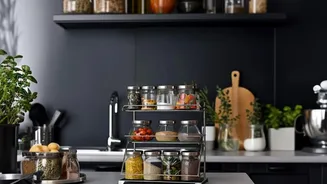
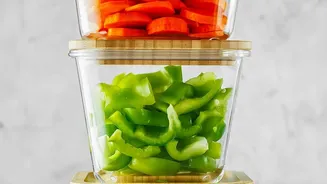
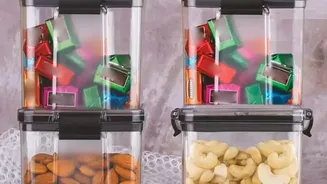
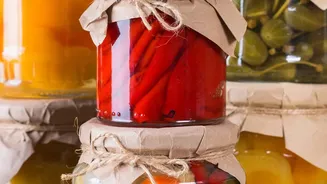
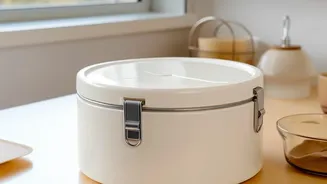
The first and most critical line of defence against monsoon moisture is proper storage. Loose packets and original packaging are no match for damp air. Invest in high-quality airtight containers made of glass or BPA-free plastic. This is especially crucial
for dry goods like salt, sugar, tea, coffee, and biscuits, which can go stale or clump together with even minimal exposure to humidity. Transfer everything from spices to snacks into these containers immediately after opening the original pack. Ensure the containers are completely clean and dry before you fill them to avoid trapping any moisture inside.
Safeguard Spices and Flours
Spices and flours are particularly vulnerable to moisture, which can lead to caking, loss of aroma, and even mould. Store your spice containers in a cool, dry cabinet away from the stove and sink, as steam from cooking is a major culprit. A common mistake is scooping masalas with a wet spoon; always use a completely dry one. For flours, grains, and pulses, you can add natural moisture absorbers to their containers. A few dried bay leaves, cloves, or dried neem leaves can act as natural anti-fungal agents. Small muslin pouches filled with rock salt or even a few grains of uncooked rice in your salt shaker can also effectively absorb excess humidity.
Manage Fruits and Vegetables
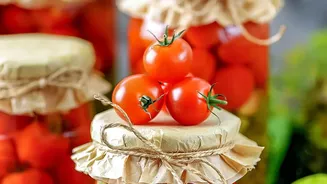
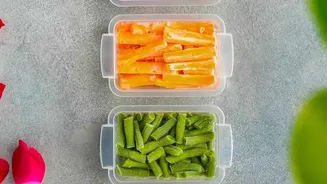
The high humidity of the monsoon accelerates spoilage in fresh produce. It's best to avoid buying fruits and vegetables in bulk during this season. Before storing, make sure to dry them thoroughly, as excess water on their surface leads to faster decay. Leafy greens should be washed, dried, and then wrapped in paper towels before being placed in a bag or container in the refrigerator's crisper drawer; the paper absorbs extra moisture. Many refrigerators have humidity-controlled drawers. Use the high-humidity setting for leafy greens and the low-humidity setting for items like onions and garlic to prevent sprouting. Store ethylene-producing fruits like apples and tomatoes separately from ethylene-sensitive vegetables like cucumbers and leafy greens to prevent premature wilting.
Protect Crisps and Snacks
Nothing is more disappointing than reaching for a crunchy snack only to find it has turned soft and chewy. Biscuits, chips, and other namkeens lose their texture rapidly in damp weather. The solution, once again, is airtight containers. Transfer them from their packets as soon as you open them. If you have snacks that have already started to soften, a few minutes in a warm oven can help draw out the moisture and restore some of their crispness. For open packets of biscuits or cookies, another trick is to wrap them in blotting paper before placing them in a container.
Maintain a Dry Kitchen Environment
Beyond storing food correctly, keeping the overall kitchen environment as dry as possible is key. Ensure good ventilation by using an exhaust fan while cooking to pull steam and moisture out of the room. Regularly wipe down countertops, shelves, and cabinet interiors to prevent the buildup of grime and mildew, which thrive in damp conditions. For particularly humid areas, placing natural dehumidifiers like activated charcoal or silica gel packets in cabinets can help absorb ambient moisture. Finally, clean your refrigerator often to prevent condensation from creating a breeding ground for mould.