





Start with Your Vehicle's Health
Your car is your most important companion on this journey, and its health is paramount. Begin with the tyres, which are your only connection to the road. Ensure they have adequate tread depth, ideally more than 3mm, to prevent hydroplaning on wet surfaces.
Properly inflated tyres are just as crucial for maintaining grip. Next, have your brakes inspected. Wet roads increase braking distances, so your brake pads, discs, and fluid levels must be in optimal condition. Any squealing sounds or reduced responsiveness should be addressed by a mechanic before you leave.
Prioritise Crystal-Clear Visibility
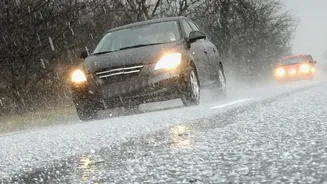
Heavy rain can drastically reduce visibility, making it a primary safety concern. Check your windshield wipers to ensure they clean the glass without leaving streaks or squeaking; if they do, replace them. Top up your windshield washer fluid, preferably with a cleaning solution, to tackle road grime. Equally important are your vehicle's lights. Test your headlights, taillights, brake lights, and indicators to make sure they are all functioning brightly. Clean lenses can make a significant difference. Using low-beam headlights during heavy rain is recommended, as high beams can reflect off raindrops and worsen visibility.
Inspect the Electrical System and Battery
Water and electronics are not a good mix. Before your trip, inspect your car's battery and its terminals, cleaning away any corrosion to ensure a solid connection. A battery older than two or three years might struggle with the increased demand from wipers, lights, and defoggers during a downpour. Check for any exposed or loose wiring that could cause a short circuit if it comes into contact with water. A pre-trip check of your car's electrical systems can prevent you from getting stranded on a rainy highway.
Plan Your Route Meticulously
While spontaneity is fun, monsoon travel requires careful planning. Before you start, check the weather forecast and use navigation apps to review your route for potential waterlogging, landslides, or road closures. It's often safer to stick to national highways and avoid remote or low-lying areas that are prone to flooding. Factoring in extra time for your journey is also wise, as traffic jams are more common during this season. Driving during daylight hours is highly recommended, as visibility drops significantly at night, making it harder to spot potholes and other hazards.
Pack a Monsoon-Specific Emergency Kit
Your standard emergency kit needs a few monsoon-specific additions. Pack a sturdy umbrella, a rain jacket, and waterproof footwear. It's also a good idea to carry a waterproof bag or zip-lock pouches to protect your electronic devices and important documents like your vehicle registration and insurance. A basic first-aid kit with essentials like band-aids, antiseptic cream, and common medicines is a must. Additionally, keep a torch, a tow rope, and jumper cables in your car. Having snacks and a reusable water bottle handy can be a lifesaver during unexpected delays.
Adopt Safe Driving Techniques
Driving in the rain demands a change in technique. The most important rule is to reduce your speed and maintain a greater distance from the vehicle ahead of you. This gives you more time to react and compensates for increased stopping distances on wet roads. Avoid sudden braking, acceleration, or sharp turns, as these can cause you to skid. If you encounter a waterlogged patch, assess its depth before proceeding. If you must drive through it, do so slowly and steadily in a low gear to prevent water from entering the engine. If your car stalls in water, do not attempt to restart it, as this can cause severe engine damage.