


The Deccan Plateau: Hampi, Karnataka
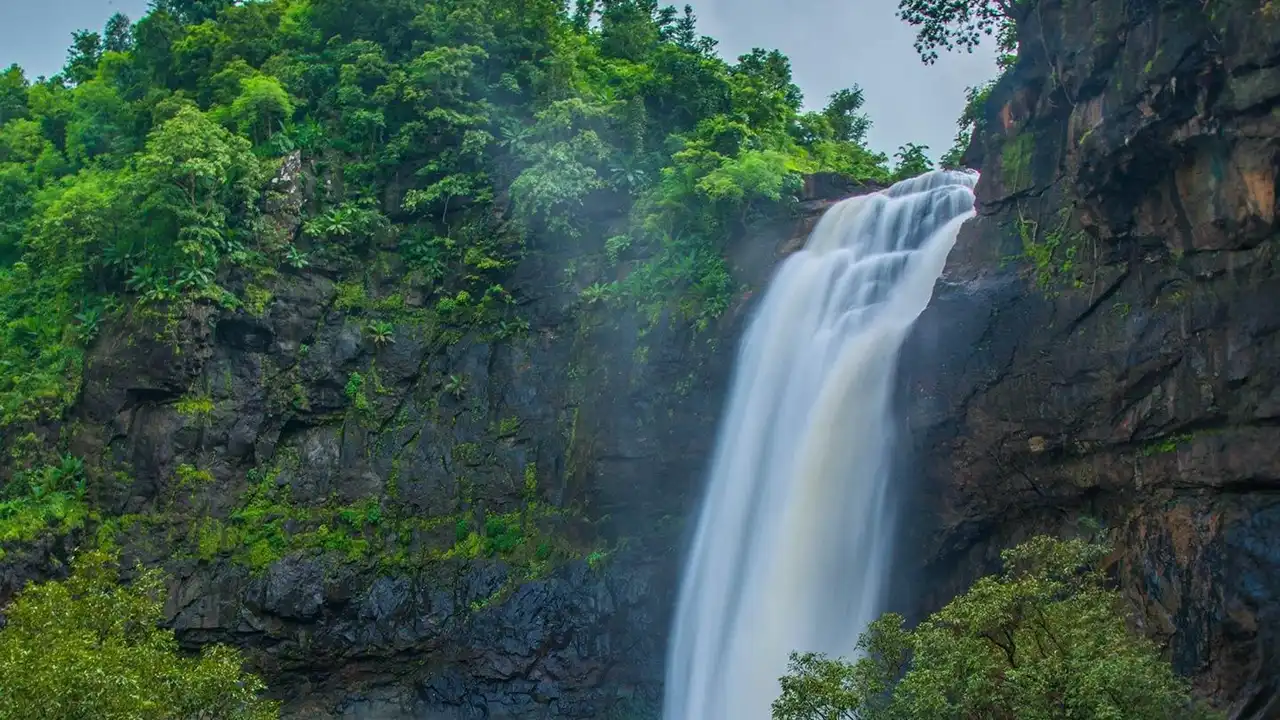
Hampi, the sprawling UNESCO World Heritage site, sits in the rain-shadow region of the Western Ghats. While the coast gets drenched, Hampi receives just enough rain to transform its boulder-strewn, ochre landscape into a spectacle of green. The normally
parched earth sprouts lush paddy fields, the Tungabhadra River swells, and the ancient ruins take on a dramatic, brooding character against cloudy skies. This season sees far fewer tourists, meaning you can explore the magnificent temple complexes and palaces in relative solitude. The rainfall typically consists of brief afternoon showers rather than constant downpours, leaving mornings clear for exploration. The cooler temperatures, a pleasant drop from the scorching summer heat, make walking through this open-air museum a far more comfortable experience.
The Desert State: Jodhpur, Rajasthan
Rajasthan's desert cities are not the first places that come to mind for monsoon travel, but that’s precisely their advantage. Jodhpur, the 'Blue City', receives minimal rainfall—just enough to wash the dust from the air, cool the temperatures, and make the city's vibrant colours pop. The majestic Mehrangarh Fort appears even more formidable against a backdrop of monsoon clouds, and exploring its ramparts becomes a pleasure in the milder weather. Lakes like Kaylana and Balsamand, often low in the summer, fill up and become scenic spots for locals and visitors. The season offers a chance to see Rajasthan without the peak season crowds or the searing heat, and hotels are often more affordable. The occasional drizzle enhances the romance of the city's heritage gardens and marble monuments like Jaswant Thada.
The Eastern Coast: Puducherry
While India's west coast is battered by the heavy southwest monsoon, the Coromandel Coast, where Puducherry lies, experiences a different pattern. The main rainy season here is the northeast monsoon, which arrives later in the year. Between June and September, Puducherry gets only light to moderate showers that provide a welcome respite from the heat without causing major disruptions. The French Quarter, with its colonial villas and bougainvillea-lined streets, looks freshly painted and serene after a brief spell of rain. It’s the perfect time for quiet café-hopping, leisurely strolls along the rain-swept Promenade Beach, and exploring the serene Auroville township when it's lush and green. The off-season timing means fewer tourists and a slower, more intimate experience of the city’s unique Franco-Tamil culture.
The High-Altitude Desert: Ladakh
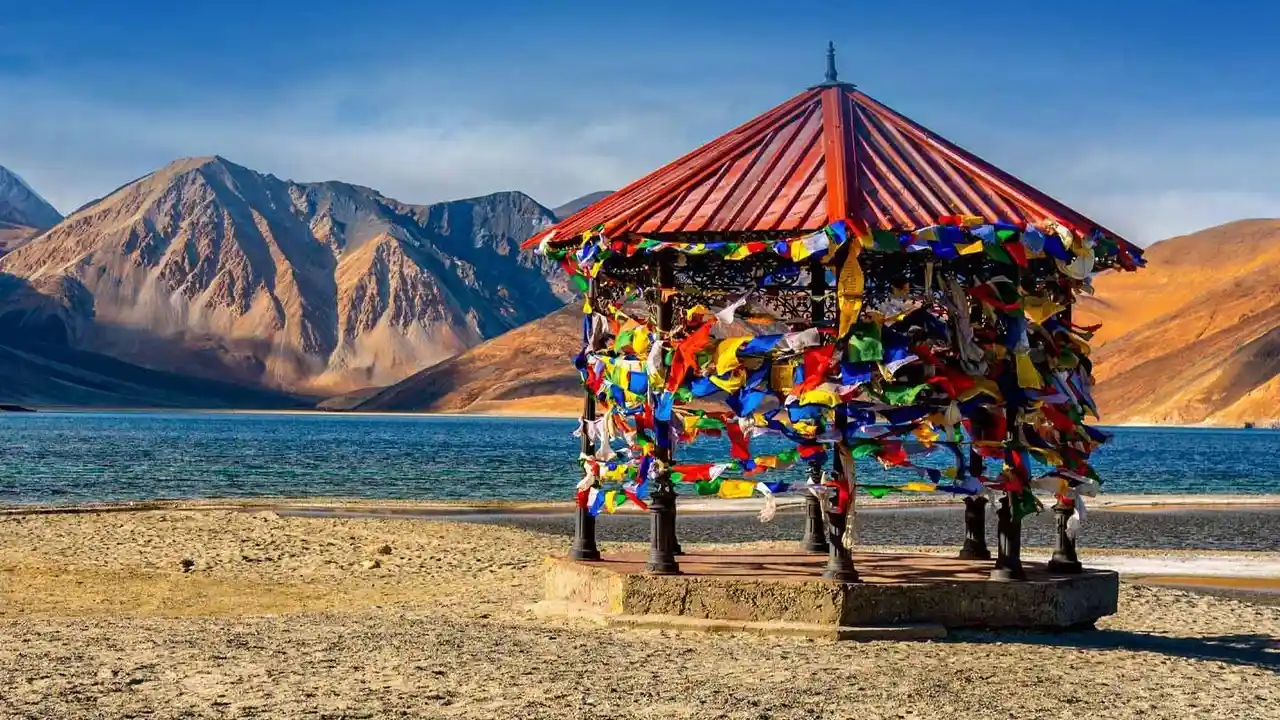
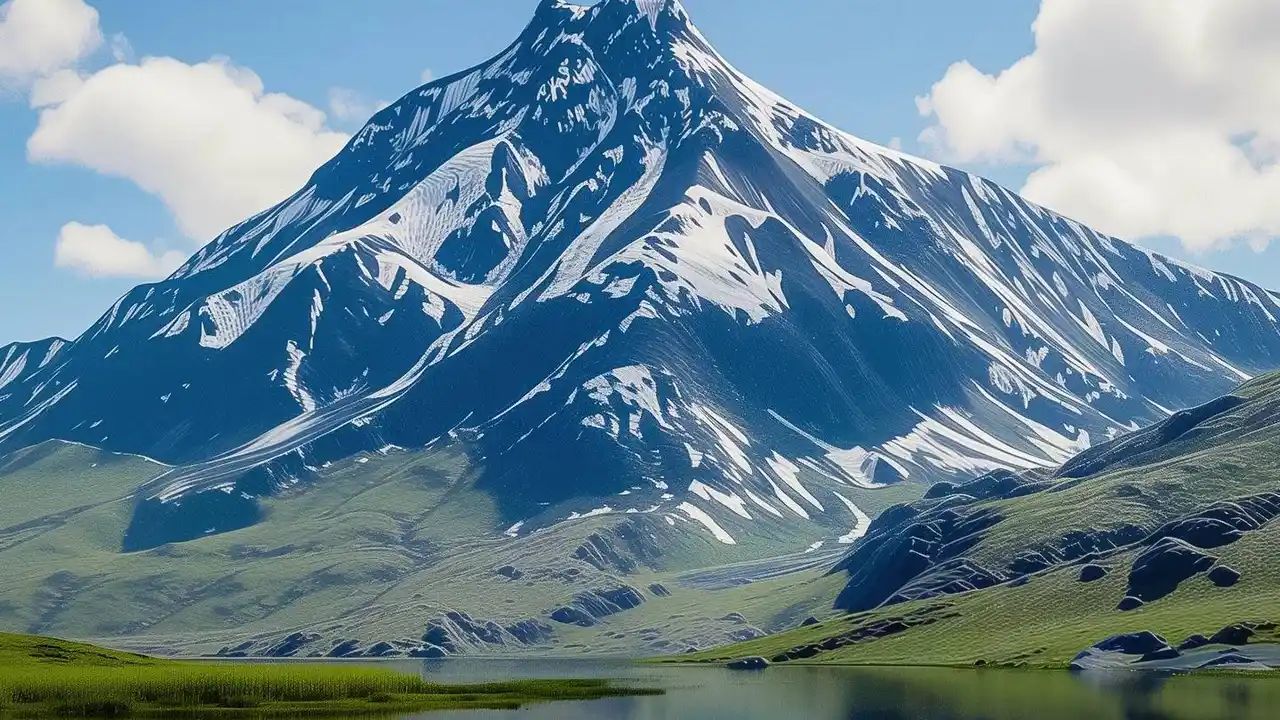
For a truly rain-free monsoon experience, Ladakh is the ultimate destination. Protected by the Himalayan range, it’s a high-altitude cold desert that lies in a complete rain shadow. While the rest of India deals with humidity and rain, Ladakh enjoys clear skies, bright sunshine, and pleasant daytime temperatures, making July and August the absolute best months to visit. All mountain passes are typically open, allowing access to the region’s spectacular landscapes, from the surreal blue of Pangong Lake to the dunes of the Nubra Valley. It's the peak season for trekking, road trips, and visiting ancient Buddhist monasteries perched on dramatic hillsides. This is the one place in India where the monsoon season guarantees dry, adventure-ready weather.