

A New Language of Style
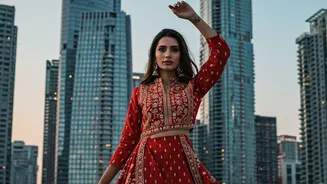
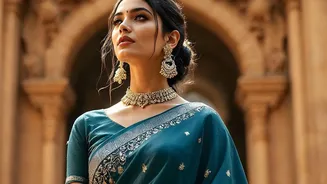
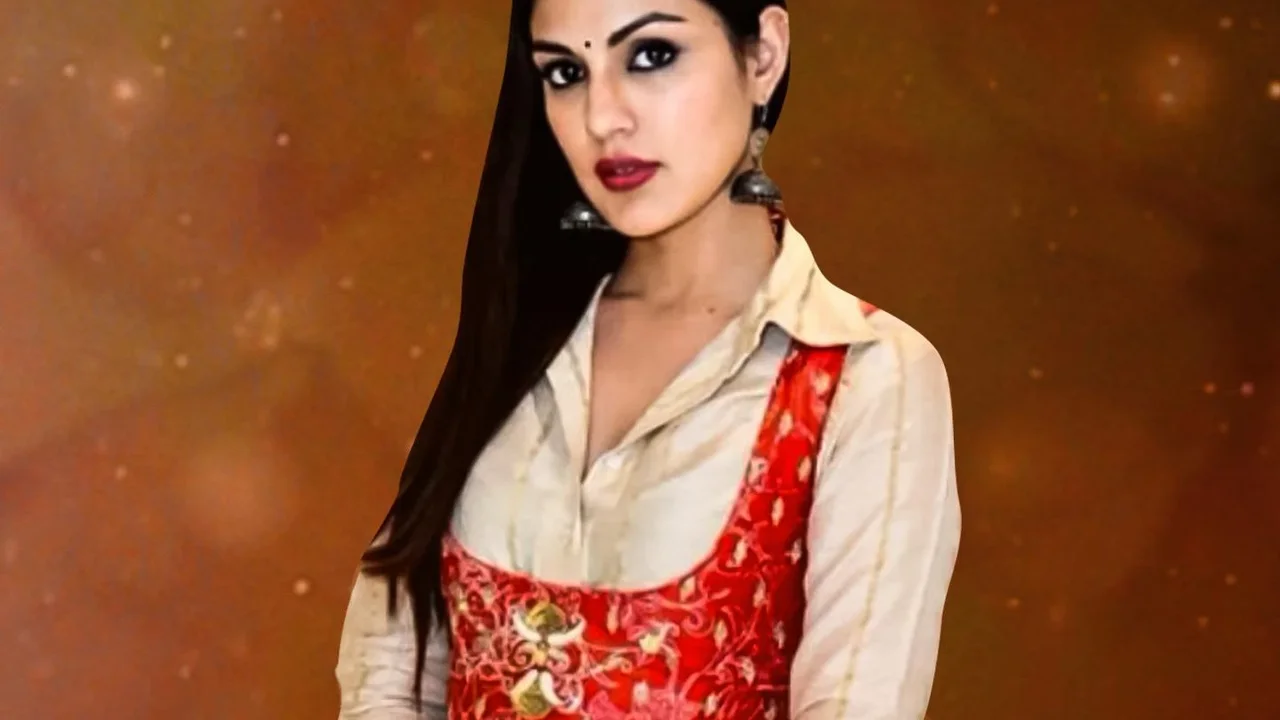
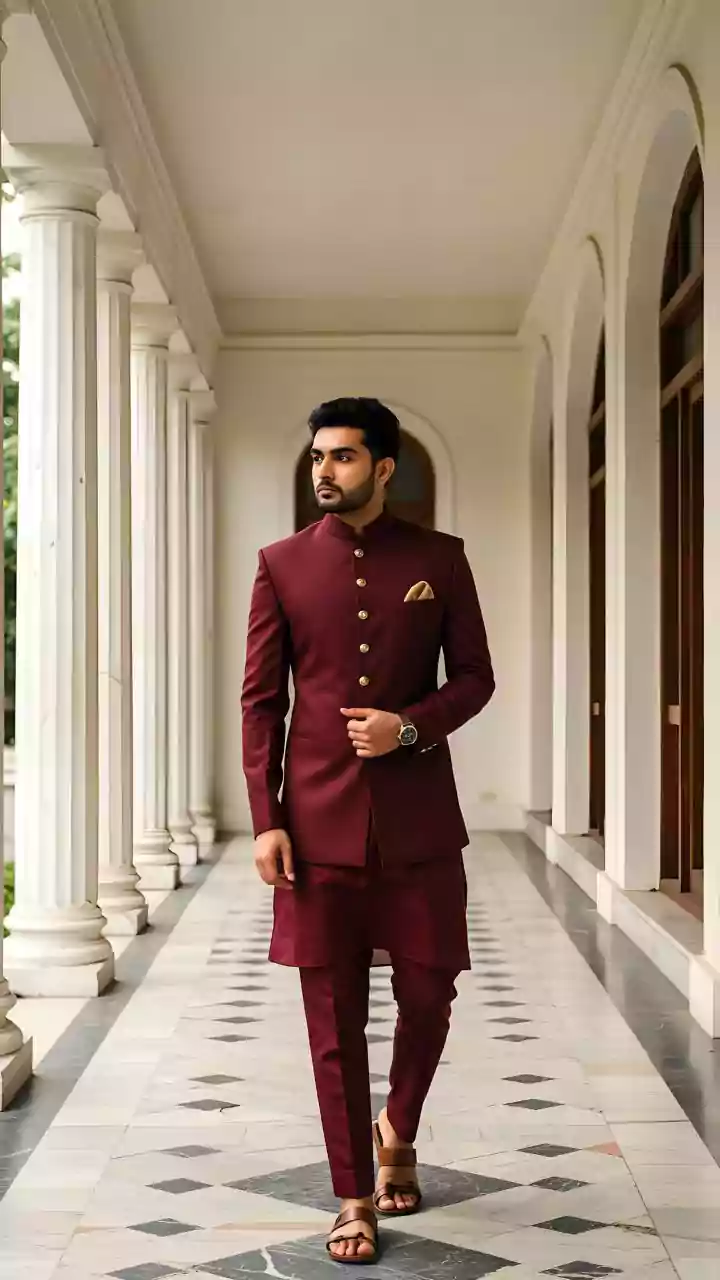
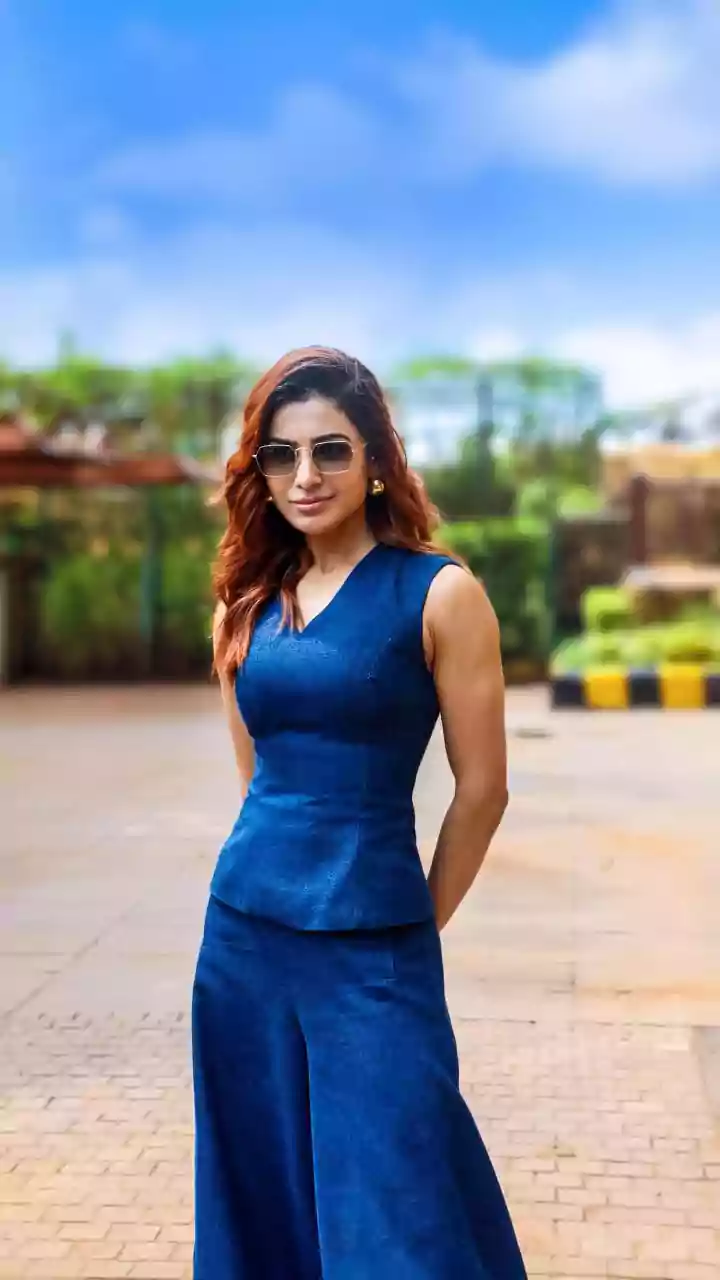
Indo-Western fashion is more than just pairing a kurta with jeans; it's a creative dialogue between heritage and modernity. For young Indian consumers, this fusion has become a powerful form of self-expression. It's about looking at a traditional wardrobe—sarees,
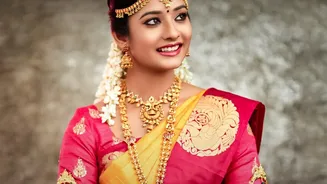
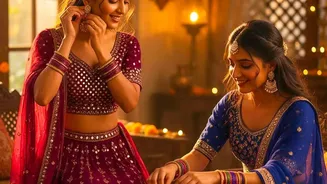
lehengas, dupattas, and kurtas often reserved for special occasions—and seeing a closet full of versatile components. A heavily embroidered lehenga blouse is paired with tailored trousers for a sharp, contemporary look. A classic silk saree is transformed into a modern gown or a chic co-ord set. This approach dismantles the old rules that confined ethnic wear to festivals and weddings, integrating it into the everyday. By doing so, it creates a personal style that is both globally aware and culturally rooted.
The Accidental Sustainability
While the primary driver for Indo-Western fusion is often creative expression, its most significant impact is environmental. This approach is sustainable by its very nature. Instead of succumbing to the pressures of fast fashion, young consumers are 'shopping their own closets'. They are extending the life of beautiful, well-made garments that might otherwise gather dust. This practice of upcycling—transforming old items into something new—reduces textile waste and lowers the demand for new production. Giving a second life to a mother's old Banarasi saree or turning a heavy anarkali into a stylish short dress is both an act of love and a vote for a circular fashion economy. It makes sustainability feel less like a sacrifice and more like a stylish, resourceful choice.
Beyond Budget Constraints
While mixing and matching is undoubtedly economical, the trend is driven by much more than just saving money. For Generation Z in India, authenticity and personal identity are paramount. Creating a unique outfit by blending a handloom dupatta with a denim jacket is a statement of individuality. It’s a way of saying, 'My style is my own story'. This generation is increasingly aware of the environmental and social costs of fast fashion and is actively seeking alternatives. The revival of interest in handloom textiles and traditional crafts like Ajrakh or block-printing further fuels this movement. By incorporating these elements into modern silhouettes, young consumers are not only making a fashion statement but also preserving and celebrating their cultural heritage.
Styled and Validated Online
Social media platforms like Instagram and Pinterest have been instrumental in popularizing Indo-Western fusion. Fashion influencers and creators provide endless inspiration, showcasing innovative ways to style traditional pieces for a modern audience. Seeing a German creator style a sari or a local blogger pair jhumkas with a blazer provides visual proof that these combinations work. These platforms act as virtual runways, democratizing fashion and allowing trends to emerge organically from users themselves. A Reel showing how to drape an old dupatta as a cape top can go viral, inspiring thousands to try the look. This digital ecosystem creates a community around creative styling, validating the choice to experiment and making sustainable fashion both visible and aspirational.
How to Start Mixing
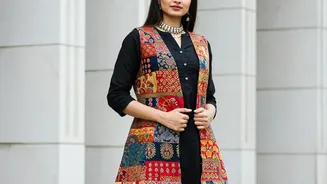
Embracing this trend is easier than it looks. Start small. Pair a vibrant Indian kurta with classic blue jeans or white trousers. Use a colourful Bandhani or silk dupatta as a scarf or belt over a simple dress. A statement embroidered jacket that came with a lehenga can be worn over a plain top and pants to elevate a casual outing. Even accessories offer a great starting point; traditional juttis can be worn with almost any Western outfit, and statement silver jewellery can transform a basic t-shirt. The goal is to let one element anchor the look while the other provides a fresh contrast, allowing you to create something new, stylish, and uniquely yours from pieces you already own.