




The New Breakfast of Champions
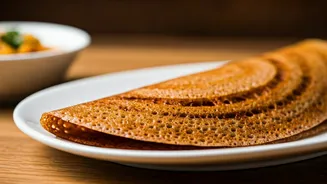
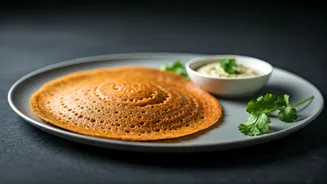
The humble dosa has received a major wellness upgrade. For years, the light and crispy crepe made from fermented rice and lentil batter has been a beloved staple across India. But a quiet revolution is happening in kitchens and health-conscious cafes.
Fitness enthusiasts, nutritionists, and home cooks are increasingly turning to ragi, or finger millet, to create a dosa that’s not just delicious but also a nutritional powerhouse. This isn't just about trying a new recipe; it's part of a larger movement towards embracing indigenous, ancient grains. As people become more aware of what they eat, they are rediscovering the wisdom of their grandmothers' pantries, where millets like ragi were once king.
So, What Exactly Is Ragi?
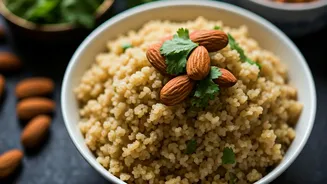
Ragi, known scientifically as Eleusine coracana, is a robust millet that has been cultivated in India and Africa for thousands of years. Often called a 'superfood', it’s a tiny grain with a mighty profile. Unlike refined grains that are stripped of their nutrients, ragi is a whole grain packed with goodness. It’s naturally gluten-free, making it an excellent choice for those with gluten sensitivity or celiac disease. For decades, ragi was often seen as a rural, rustic food, overshadowed by the more commercially popular rice and wheat. But now, it’s making a major comeback as a premium health food, celebrated for its versatility and profound health benefits.
A Nutritional Powerhouse
The obsession with ragi dosa boils down to its incredible nutritional stats. Firstly, it’s a fantastic source of dietary fibre, which aids digestion, promotes a feeling of fullness, and helps in managing weight. This high fibre content means you’re less likely to snack on unhealthy foods later in the day. Secondly, ragi is one of the best plant-based sources of calcium, crucial for strong bones and teeth—a key concern for anyone leading an active lifestyle. It is also rich in iron, which helps combat anaemia and boosts energy levels. For diabetics or those watching their blood sugar, ragi is a godsend. It has a low glycemic index, meaning it releases sugar into the bloodstream slowly, preventing sudden spikes and crashes in energy. This provides sustained energy, perfect for a pre-workout meal or a productive day.
Ragi Dosa vs. Regular Dosa
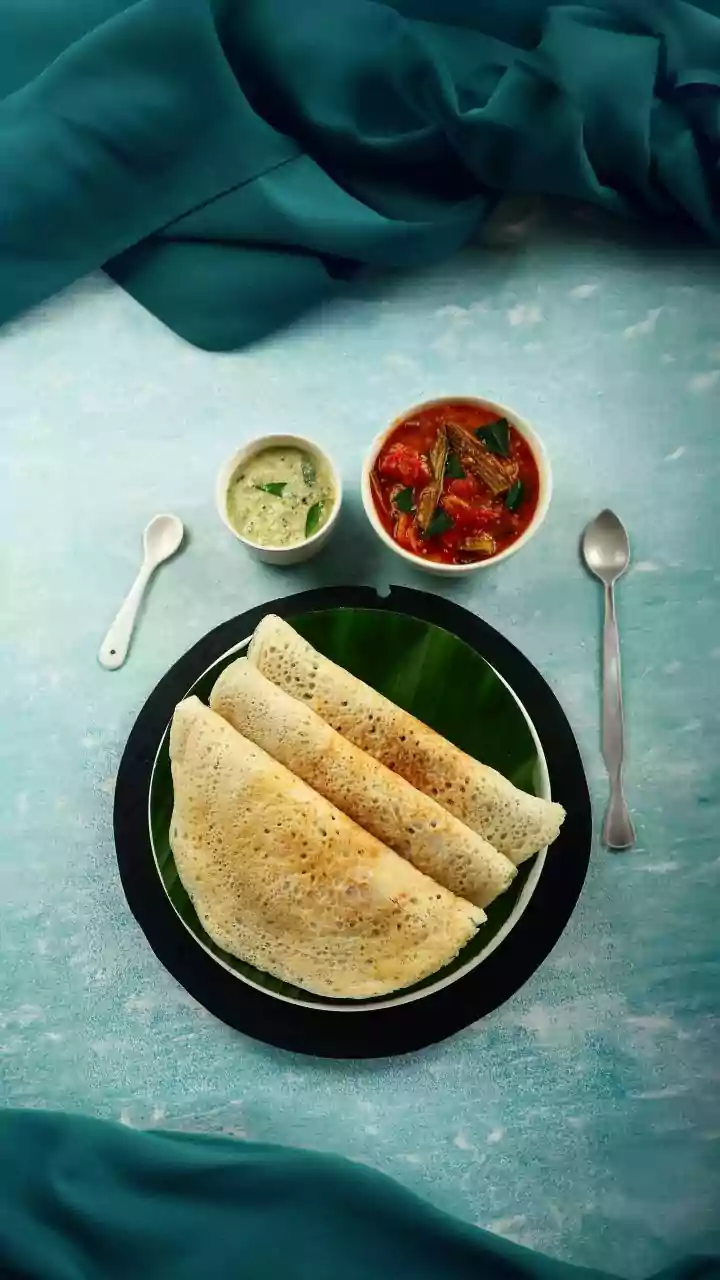
How does it stack up against the classic? A traditional dosa, while delicious, is made primarily from white rice, a simple carbohydrate that can cause a quicker rise in blood sugar. A ragi dosa, on the other hand, is a complex carbohydrate. This means it provides more sustained energy and keeps you feeling full for longer. While both can be part of a healthy diet, the ragi version offers a superior nutritional package. It delivers more protein, fibre, and essential minerals like calcium and iron with every bite. The flavour is also distinct—ragi has a slightly earthy, nutty taste that adds a new dimension to the familiar dosa experience. It pairs wonderfully with the same traditional accompaniments like sambar and coconut chutney.
Easy to Make at Home
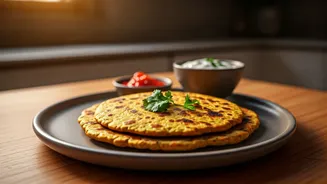
Bringing this fitness trend into your own kitchen is surprisingly simple. You don't need to be a culinary expert. There are two main ways to make it. The traditional method involves soaking ragi grains and urad dal, grinding them into a batter, and letting it ferment overnight, just like a regular dosa. This fermentation process enhances its nutritional value and digestibility. However, for those short on time, there's an 'instant' version. Simply mix ragi flour with yoghurt or buttermilk, a little rice flour for crispiness, water, and spices to form a thin batter. Let it rest for 20-30 minutes, and it’s ready to be cooked. This quick method makes the ragi dosa an accessible and practical option for a busy weekday breakfast.