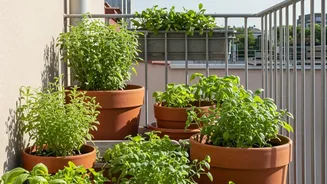



The crisp November air in North India brings welcome relief, but it signals a major shift for your balcony garden. As temperatures cool, your summer watering routine can quickly become harmful. Here’s how to adapt and keep your pots thriving.
Why Cooler Weather Changes Everything
The single
biggest mistake gardeners make in winter is watering too much. During the hot summer months, daily watering is often necessary as high temperatures cause water to evaporate quickly from the soil and transpire from plant leaves. But as November arrives, this equation flips. Cooler days and weaker sunlight mean evaporation slows dramatically. Simultaneously, most plants enter a period of slower growth or semi-dormancy, causing them to absorb far less water from their roots. Continuing a daily watering schedule on a resting plant is the fastest way to waterlogged soil, which suffocates roots and leads to fungal diseases.
The Golden Rule: Check Before You Water
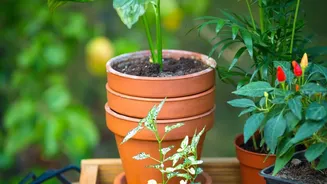
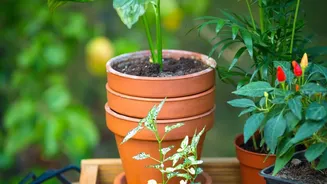
Forget watering on a fixed schedule like 'every other day'. The most reliable method is to physically check the soil. The 'finger dip test' is your best friend: insert your finger about two inches into the potting mix. If the soil feels moist at that depth, do not water, even if the surface looks dry. If it feels dry to the touch, it’s time to give your plant a drink. Potted plants, especially those in terracotta containers, can dry out at different rates depending on their size and location on the balcony, so it's crucial to check each one individually rather than watering them all at once.
Adjusting Your Watering Frequency and Timing
So how often should you water? While there's no magic number, you'll likely shift from watering every 1-2 days in summer to once every 4-7 days, or even longer for some plants. In the colder parts of North India, many plants might only need water every 10-14 days during the peak of winter. The best time of day to water also changes. In winter, it's ideal to water in the late morning, around 9 or 10 AM. This gives the water time to be absorbed before the cold of night sets in, and allows any moisture on the leaves to evaporate in the gentle sun, reducing the risk of mildew and other fungal issues that thrive in cold, damp conditions.
Warning Signs of Overwatering
Overwatering can be deceptive because its symptoms often mimic those of a thirsty plant. The most common sign is yellowing leaves, especially the lower ones, that feel soft and limp rather than dry and crispy. Another key indicator is a plant that looks wilted even when the soil is wet; this happens because the waterlogged roots are suffocating and can no longer absorb moisture and nutrients. You might also notice brown leaf tips, a musty or rotten smell from the soil, or a sudden infestation of tiny black fungus gnats flying around your pots, all of which point to excess moisture.
Special Care for Different Plants
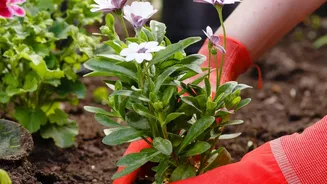
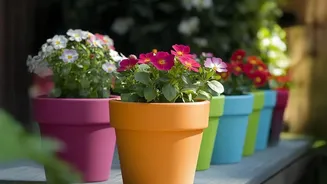
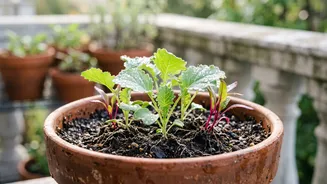
Not all plants have the same winter needs. Succulents and cacti, for example, store water in their leaves and will require very infrequent watering—perhaps only once every three to five weeks. On the other hand, winter-flowering annuals like petunias, pansies, or calendula are actively growing and will be thirstier than your dormant foliage plants. Similarly, leafy greens like spinach and lettuce will need consistent moisture to produce a good harvest. Always consider the type of plant you are growing, but let the soil be your ultimate guide. Remember that plants in smaller pots will dry out faster than those in large containers.