






The Old, Familiar Journey
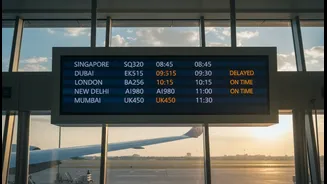
If you live in a non-metro city in India, the journey for an international trip often starts with a domestic flight. A traveller from Surat hoping to fly to Europe might first have to fly to Mumbai or Delhi. Someone from Jabalpur would likely face a similar
multi-leg journey. This process involves not just one flight, but two check-ins, separate security screenings, and often a long, anxious layover, all before the main international leg even begins. This 'hub-and-spoke' model, while functional, has long been a source of frustration. It adds hours, sometimes a whole day, to travel itineraries, increases the risk of missed connections, and often inflates the overall cost. The system concentrated international traffic through a handful of heavily congested airports, creating bottlenecks that affected travellers nationwide. This decentralization of international travel is a key part of the government's strategy to better utilize aviation infrastructure across the country.
Navi Mumbai: Decongesting India's Busiest Skies
The Navi Mumbai International Airport (NMIA) is the most significant new entrant designed to ease this pressure. After commencing domestic operations in late 2025, the airport is set to launch its first international passenger flights on July 15, 2026. Air India Express will inaugurate this new phase with a direct service to Abu Dhabi, with IndiGo also expected to start international services from the new airport. NMIA is not just an overflow airport for Mumbai's existing Chhatrapati Shivaji Maharaj International Airport (CSMIA); it's a massive, independent gateway designed to serve the entire Mumbai Metropolitan Region and beyond. For regional travellers from nearby cities in Gujarat and Maharashtra, NMIA offers a much more accessible starting point for their international journeys, potentially eliminating the need to travel into the heart of Mumbai and navigate its heavily congested original airport.
Indore's Ascent as a Central Indian Gateway
In the heart of the country, Indore's Devi Ahilya Bai Holkar Airport is also stepping onto the international stage in a significant way. After a suspension of several months, international flights are resuming on July 15, 2026, with an Air India Express service to Abu Dhabi. This is more than just the resumption of a single route; it represents a strategic move to establish Indore as a true international hub for central India. The connection to Abu Dhabi's Zayed International Airport provides passengers from across Madhya Pradesh a direct link to a major global transit hub, with connections to over 80 cities in Europe, North America, and the Middle East, without needing to first fly to Delhi or Mumbai. This development saves time and simplifies logistics for a vast population of business travellers, students, and tourists.
The Ripple Effect on Regional India
The impact of these new gateways extends far beyond their immediate vicinity. The rise of Tier-2 airports like Indore is part of a broader trend transforming India's aviation map. As these airports develop international capabilities, they become 'spokes' that can directly feed into global travel networks, bypassing the traditional, overcrowded metro 'hubs'. This shift empowers smaller cities and their surrounding regions, making international travel more feasible and attractive. It boosts local economies, not just through passenger traffic but also by creating opportunities for air cargo, which helps local industries and exporters. This increased connectivity is expected to fuel growth in tourism, real estate, and hospitality in these emerging corridors.
What This Means for You
For the average traveller from a regional town, this evolution in India's airport infrastructure means tangible benefits. Firstly, it promises greater convenience and reduced travel times. The ability to clear immigration and customs at a regional airport before flying to an international destination streamlines the entire process. Secondly, increased competition and more flight options could lead to more competitive airfares. As airlines launch new routes from these gateways, they will be vying for passengers, which can help keep prices in check. Ultimately, this shift democratizes air travel, making the world more accessible to millions of Indians who live outside the major metropolitan areas. It signals a move away from a system where international travel was a privilege of those living in or near big cities, towards a future where it is a practical option for many more.