


The Nutritional Powerhouse
When comparing quinoa to traditional white rice, the nutritional benefits are clear. Quinoa, technically a seed, is celebrated as a complete protein, meaning it contains all nine essential amino acids. A single cup of cooked quinoa offers about twice
the protein and five times the fiber of the same amount of white rice. This significant fiber content helps in keeping you feeling full longer, aids digestion, and can help manage blood sugar levels by preventing sharp spikes. Furthermore, quinoa is packed with essential minerals that are less abundant in white rice, including iron, magnesium, potassium, and zinc. While brown rice is a healthier alternative to white, quinoa still often comes out ahead with more protein and a complete amino acid profile.
Choosing the Right Quinoa
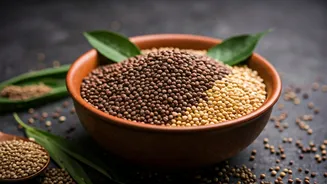
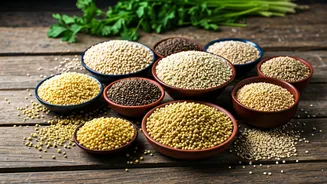
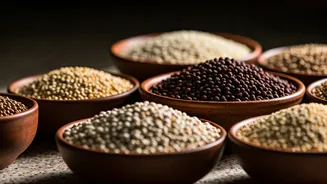
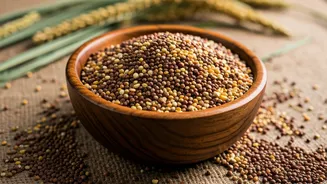
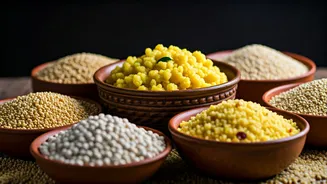
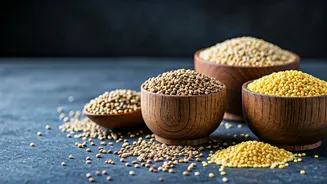
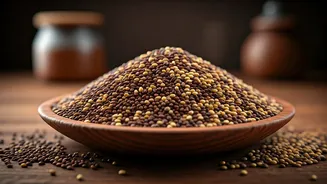
When you head to the store, you might find a few different types of quinoa, most commonly white, red, and black. White quinoa has the mildest, most neutral flavour and a softer texture, making it an excellent starting point if you're new to this ingredient. Red and black quinoa have a slightly earthier taste and a firmer, chewier texture that holds up well in salads or as a side dish. For a pulao, where you want the grains to absorb the aromatic spices without becoming overpowering, white quinoa is generally the best choice. It allows the traditional flavours of your pulao masala to shine through.
Mastering the Perfect Fluffy Grain
The key to a successful quinoa pulao lies in the cooking technique, as poorly cooked quinoa can become mushy. The first and most crucial step is to rinse the quinoa thoroughly under cold running water in a fine-mesh strainer. This removes its natural coating, called saponin, which can impart a bitter or soapy taste. The ideal liquid-to-quinoa ratio is a subject of debate, but many find success with 1.75 to 2 cups of water or broth for every 1 cup of dry quinoa. For extra flavour, consider cooking the quinoa in vegetable or chicken broth. Bring the liquid and quinoa to a boil, then reduce the heat to a simmer, cover, and cook for about 15 minutes, or until the water is absorbed. Once cooked, let it rest off the heat, still covered, for at least 10 minutes. This steaming step is vital for achieving a fluffy texture. Finally, fluff the grains gently with a fork.
Adapting Your Pulao Recipe
Integrating quinoa into your favourite pulao recipe is a simple process. You can prepare the quinoa separately and mix it into your cooked vegetables and spices, or you can cook it all in one pot. For a one-pot method, start by sautéing your whole spices, onions, ginger, garlic, and vegetables as you normally would. When the vegetables are tender, add your rinsed quinoa and the measured amount of water or broth. Bring the mixture to a boil, then reduce to a simmer, cover, and let it cook for 12-15 minutes until the liquid is absorbed and the quinoa is tender. Because quinoa cooks relatively quickly, it adapts well to both stovetop and pressure cooker methods. If using an Instant Pot, a common approach is to cook at high pressure for just one or two minutes, followed by a natural pressure release.
Embracing a New Flavour Profile
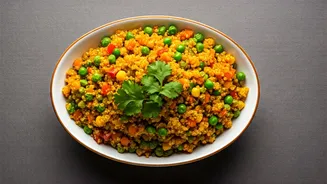
While quinoa is a substitute for rice, it brings its own unique character to the dish. It has a slightly nutty and earthy flavour that beautifully complements the aromatic spices found in a traditional pulao, such as cumin, coriander, and garam masala. The texture is lighter and more distinct than rice, providing a delightful bite. Garnish your finished quinoa pulao with fresh coriander, a squeeze of lemon juice, and serve it with a side of raita. The result is a familiar yet refreshingly new dish that is both flavourful and incredibly nourishing.