








The Romance vs. The Reality
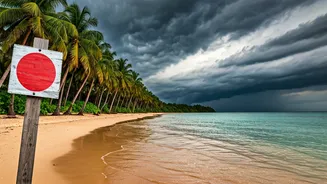
India during the monsoon is a spectacle of nature's revival. Hillsides turn a vibrant green, waterfalls cascade with renewed vigour, and the aroma of wet earth fills the air. It’s a time when popular destinations offer lower prices and a more serene experience.
However, this beauty comes with a practical checklist of potential problems. Heavy rainfall can lead to sudden flight cancellations, waterlogged roads, and landslides, particularly in hilly regions. Train services can be delayed for hours, and what was meant to be a scenic drive can turn into a standstill. Beyond transport woes, the season also brings a higher risk of water-borne diseases and other health concerns. This doesn't mean you should cancel your plans, but it does mean that winging it is not the wisest strategy.
Why Insurance Becomes Your Safety Net
This is where travel insurance transitions from an afterthought to an essential. Many domestic travellers in India often skip insurance, viewing it as a formality for international trips. However, the risks of monsoon travel make it indispensable. A comprehensive domestic travel insurance policy is your financial buffer against the season's unpredictability. If severe weather forces an airline to cancel your flight, insurance can help you recover the costs of non-refundable bookings. If your trip is delayed for a specified period (often a few hours), your policy may reimburse you for essentials like meals and accommodation. Furthermore, if you must cut your trip short due to flooded roads or a family emergency back home, trip curtailment coverage can refund the unused portion of your travel and stay.
Decoding Your Travel Policy
Not all travel insurance plans are created equal, especially when it comes to the specific challenges of the monsoon. When choosing a policy, look for specific coverage for disruptions caused by inclement weather. Ensure the plan covers flight delays and cancellations, as well as trip curtailment. Medical coverage is also crucial; check for benefits that include accidental hospitalisation and emergency medical evacuation, which can be vital if you fall ill or have an accident in a remote area. Another key feature is coverage for loss or delay of checked-in baggage, a common issue when flights are rerouted due to weather. Always read the policy wording carefully to understand the claim process, waiting period for delays, and any exclusions, such as adventure sports, unless you've purchased a specific add-on.
Beyond Insurance: Smart Monsoon Planning
While insurance is a crucial safety net, proactive planning—the 'less impulse' part of the equation—can prevent many issues from arising in the first place. Start by choosing your destination wisely; avoid areas highly prone to landslides or flooding. Constantly monitor weather forecasts not just for your destination but also for the route you're taking. Pack smart: lightweight, quick-drying clothes, waterproof footwear with good grip, a sturdy umbrella, and waterproof bags or covers for your luggage and electronics are non-negotiable. Carry a basic first-aid kit with medications for common ailments, insect repellent, and any personal prescriptions. Be cautious about food and water; stick to bottled water and freshly cooked hot meals to avoid stomach issues. Finally, build buffer days into your itinerary. This flexibility allows you to navigate unexpected delays without stress, ensuring your monsoon adventure remains a joy, not a hassle.