

A Confident New Culinary Era
For years, modern Indian food was often associated with fusion for fusion's sake, sometimes losing the soul of the original dish. Today, however, a new movement is taking hold, one built on confidence and a deep respect for tradition. Chefs are no longer
interested in simply translating Indian food for a global palate by calling a 'thepla' a 'savoury flatbread'. Instead, they are diving deep into the country's vast culinary library, from forgotten heirloom grains to hyper-local specialities. This isn't about rejecting the classics but reimagining them with precision and artistry. The goal is to retain the nostalgic flavour profile that is core to festive food while presenting it in a form that feels fresh, exciting, and reflective of contemporary tastes.
Old Flavours, New Forms
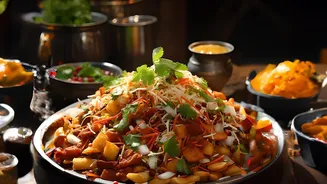
The most exciting aspect of this trend is seeing beloved regional dishes transformed. Imagine a deconstructed chaat, where the essential sweet, sour, and spicy elements are presented with fine-dining plating, or a Dahi Bhalla reinterpreted as a delicate, layered pastry. At Kalpaney, a Bengaluru restaurant, the humble 'dal dhokli' is turned into elegant tagliatelle with a kokum dal, and lotus stem is fashioned into a 'nadru seekh'. Desserts are seeing a particularly playful transformation, with innovations like rasmalai made with baked ricotta cheese, sweet ravioli stuffed with paneer and served with rabdi, and even a rasmalai cake becoming popular. These dishes honour the memory of the original while offering a completely new textural and visual experience.
The Rise of Regional Stars
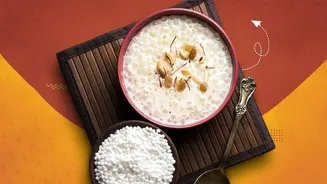
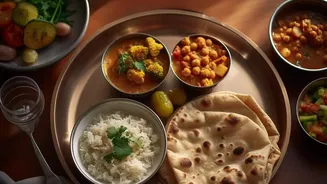
This culinary experimentation is also shining a spotlight on lesser-known regional cuisines. While pan-Indian dishes have always been popular, chefs are now exploring the unique flavours of specific communities and states. This includes everything from the Himalayan-forward cuisine of Chef Prateek Sadhu's Naar in Himachal Pradesh, which features ingredients like local yak cheese, to the Assamese tribal dishes championed by home chef Gitika Saikia in Mumbai. Festive thalis at restaurants like Café Delhi Heights now offer a journey across the country on a single plate, featuring Maharashtrian Sabudana Khichdi alongside Rajasthani Aloo Chaat and Phalahari Kheer from Uttar Pradesh. This focus on regionality introduces a wider audience to the true diversity of Indian food, moving beyond the standard restaurant fare.
A Health-Conscious Celebration
The shift towards modern festive food is also driven by a growing emphasis on health and wellness. Traditional festival food, while delicious, is often rich and indulgent. The contemporary approach seeks to make these treats lighter without compromising on flavour. This translates into using healthier cooking methods, such as baking instead of deep-frying for snacks like gujiyas or choosing to serve baked boondi parfaits. There's also a move toward using natural sweeteners like jaggery and dates and incorporating whole grains like rajgira (amaranth) flour for puris. This allows for guilt-free indulgence, ensuring that the festive spirit is matched by a feeling of well-being.
From Fine Dining to Home Kitchens
While many of these innovations begin in professional kitchens, they are quickly making their way into homes. The rise of interactive dining experiences at events, like DIY chaat bars and live pasta stations with Indian-style sauces, has inspired home cooks to experiment. Social media and food bloggers play a huge role, sharing recipes for everything from paneer tikka tacos and butter chicken sliders to masala chai semifreddo. Fusion dessert ideas like Almond Halwa Croissants or Chocolate Cinnamon Gujiyas are becoming popular for home-based Diwali parties. This democratisation of culinary creativity means anyone can add a playful, modern twist to their festive table.