




The ‘Healthy’ Halo Effect
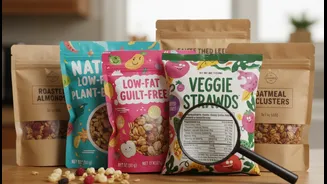
Words like ‘healthy,’ ‘natural,’ ‘organic,’ or ‘diet’ create a 'health halo,' making us assume a product is good for us without a second glance. India's food regulator, FSSAI, has recently issued notices to multiple companies for using such terms in ways
that could mislead consumers. For example, a product with 'Healthy' in its brand name might still be high in sodium or sugar. Similarly, snacks advertised as ‘veggie chips’ may contain more refined flour and potato starch than actual vegetables. The attractive promise on the front can make us feel good about our choice, but the real information lies on the back.
Decoding 'No Added Sugar'
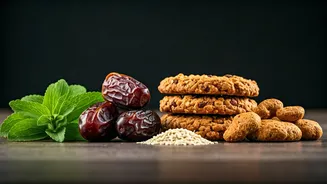
One of the most common and confusing claims is 'no added sugar.' While it means the manufacturer hasn't added table sugar, it doesn’t mean the product is low in sugar. Many products, like fruit juices or snack bars, can be packed with naturally occurring sugars from fruit concentrates. Other products use ingredients like date powder, maltodextrin, or glucose syrup, which still act as sweeteners in the body. FSSAI regulations are becoming stricter, requiring brands to be more transparent if a sugar-containing ingredient is used to provide sweetness, but it's a loophole many consumers still fall into. A 'no added sugar' fruit juice can have as much sugar as a soda.
The 'Baked, Not Fried' Myth
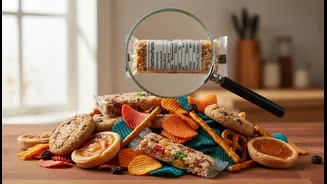
The shift from fried to baked snacks is a huge trend, with everything from baked bhujia to baked potato chips lining the shelves. While baking is generally a healthier cooking method than deep-frying because it uses less oil and thus contains fewer calories, it's not a free pass. Many baked snacks are still made from refined flour (maida), can be high in sodium, and may contain preservatives and other additives to achieve that desirable crunch. A claim like 'Zero Maida' has also come under scrutiny when products contain other wheat-based ingredients. The key is to check the full ingredient list, not just the cooking method.
How to Read the Label Like a Pro
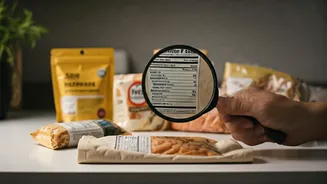
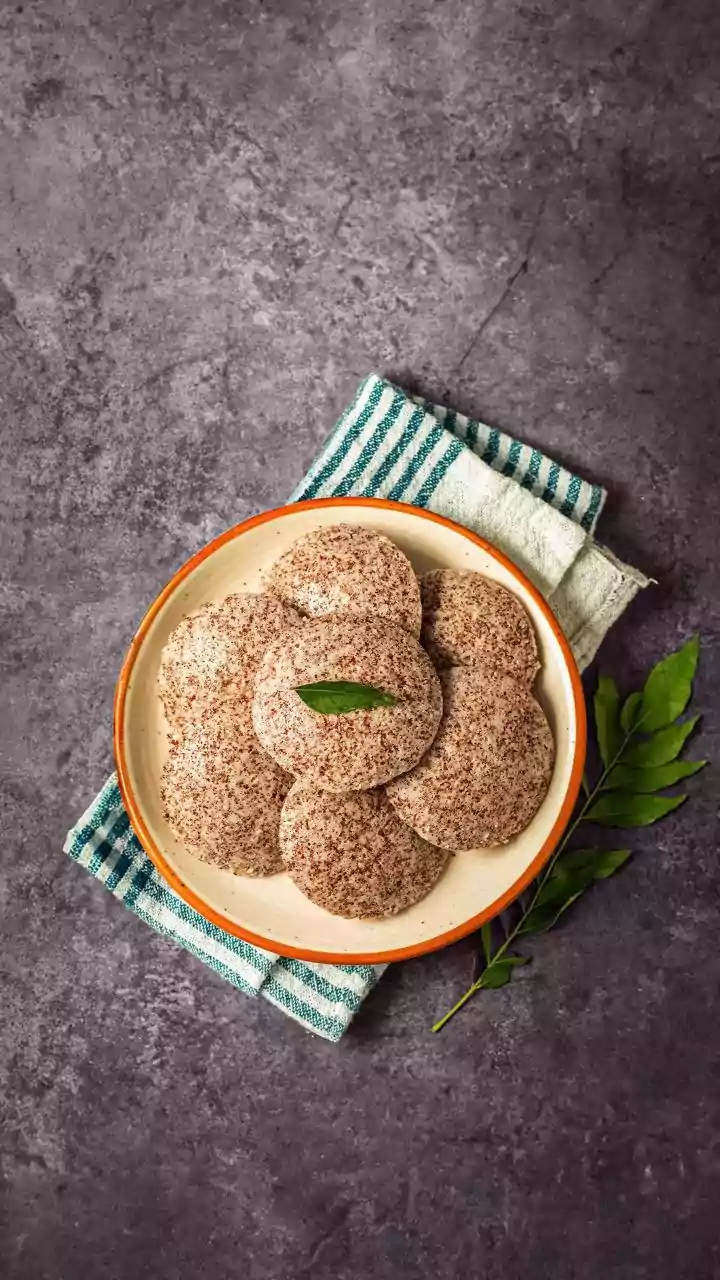
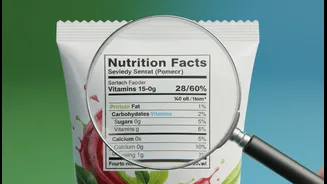
The power is in your hands—you just need to turn the package over. First, look at the ingredients list. Ingredients are listed in descending order by weight, so the first three to five items make up the majority of the product. If sugar (or its many aliases like corn syrup, fructose, dextrose, maltose) is near the top, it's a high-sugar product. Choose products with whole grains (like whole wheat, oats, ragi) listed first, not refined flour (maida). Next, check the nutrition facts table. Pay attention to the serving size. Brands often use unrealistically small serving sizes to make calories and sugar seem low. If a packet contains three servings and you eat the whole thing, you need to multiply all the numbers by three.
Smarter, Simpler Snack Swaps
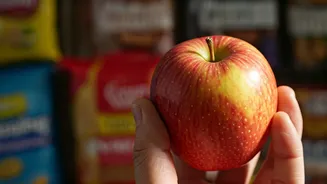
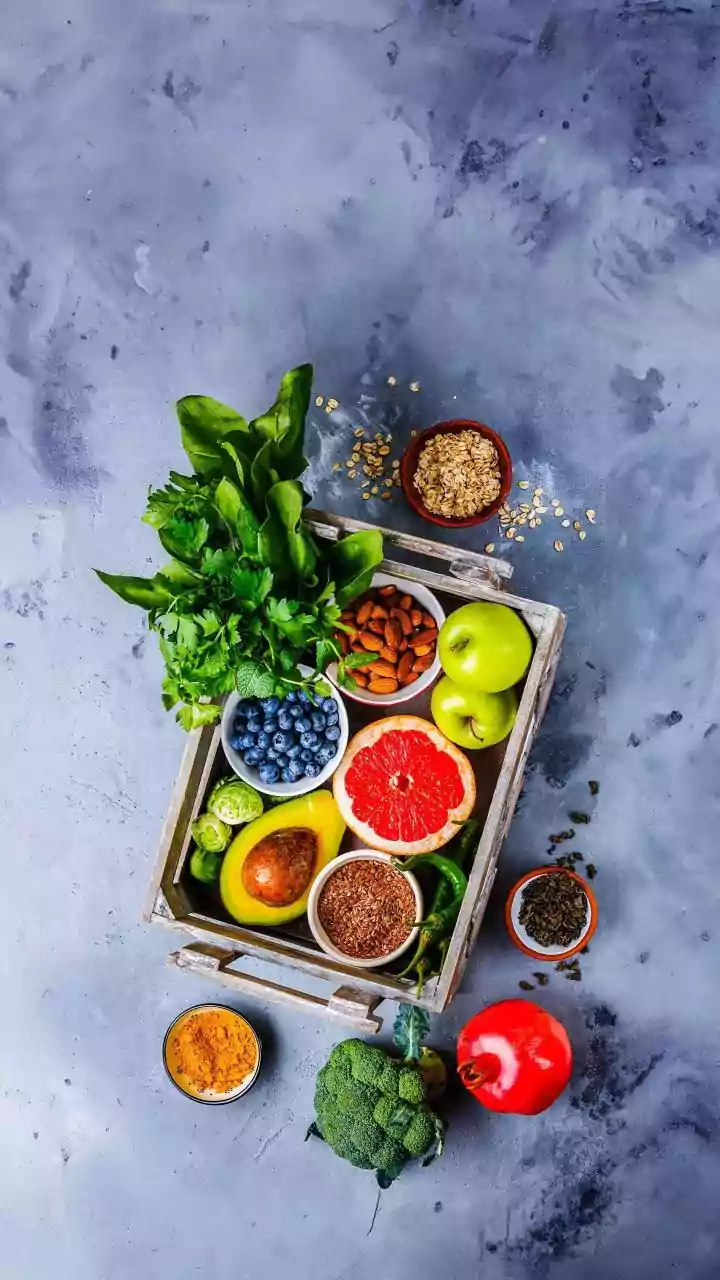
Becoming a savvy snacker doesn't mean you have to give up convenience. It’s about making simple, effective swaps. Instead of packaged 'diet' bhel, try a bowl of roasted makhana (fox nuts) or a handful of unsalted mixed nuts. Instead of fruit juice, eat a whole fruit, which provides fibre that helps manage blood sugar. For a savoury crunch, roasted chana (chickpeas) is a fantastic high-protein, high-fibre alternative to fried namkeens. Homemade snacks like sprouted moong chaat, vegetable poha, or a besan chilla give you complete control over the ingredients, eliminating hidden sugars and sodium entirely.