





Embrace Warm and Light Meals
During the monsoon, the digestive system, or 'agni' in Ayurveda, tends to be weaker. Heavy, oily, and fried foods can overburden your gut, leading to indigestion, bloating, and lethargy. Instead, opt for light, warm, and easy-to-digest meals. Think moong
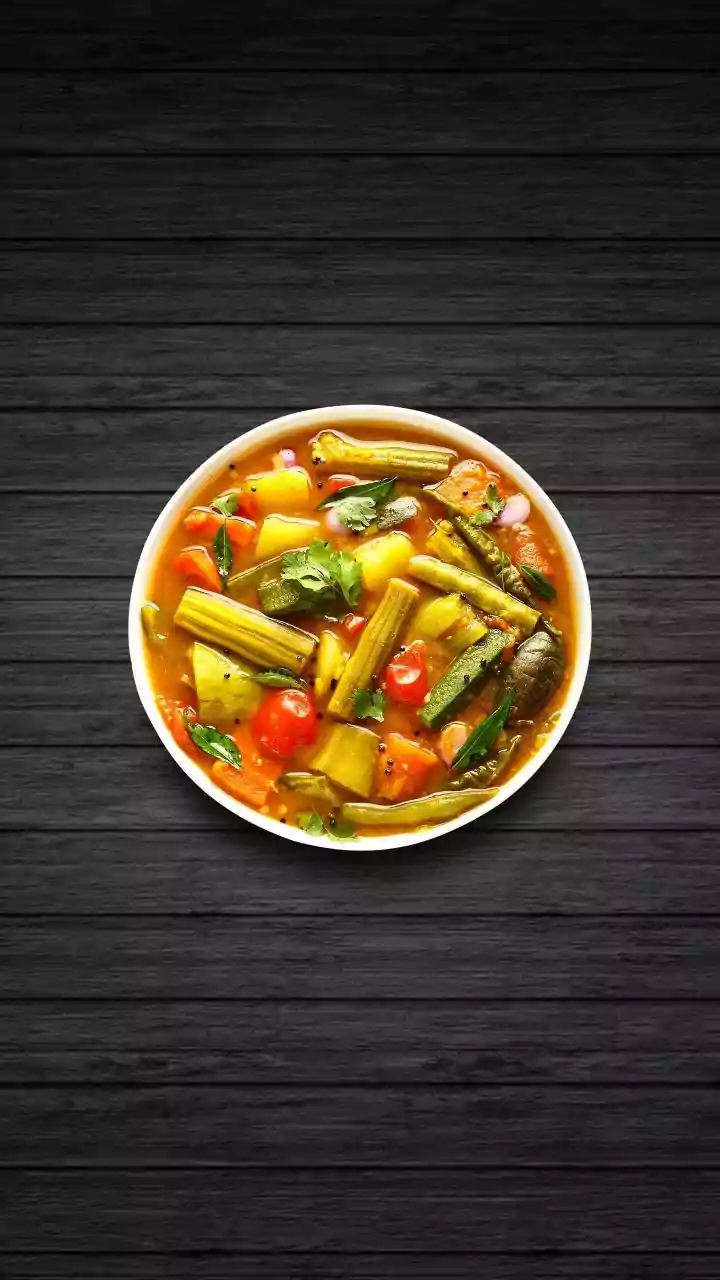
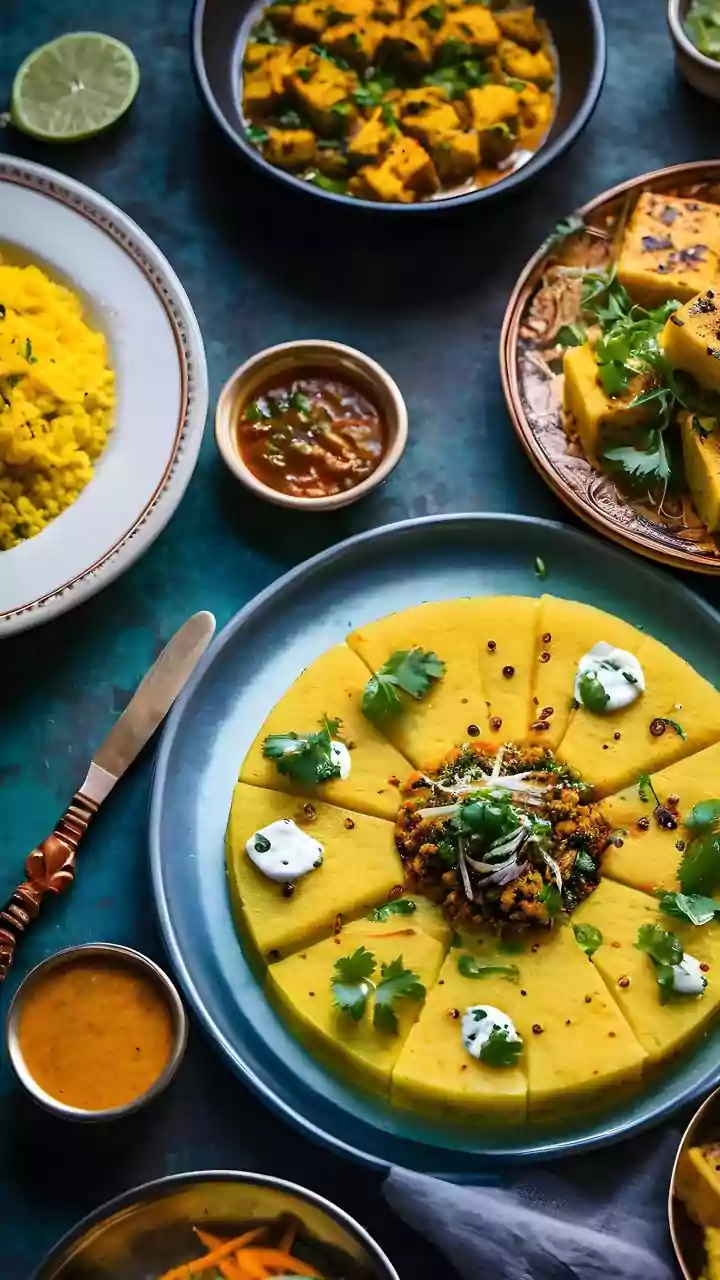
dal, khichdi, and vegetable soups. These foods provide essential nutrients without making your system work overtime. Broths made with ginger, black pepper, and garlic are particularly beneficial. They not only aid digestion but also have anti-inflammatory properties that help keep seasonal colds and flu at bay. A warm bowl of soup is not just comfort food; it's a shield for your health in this damp weather.
Boost Immunity with Spices and Herbs
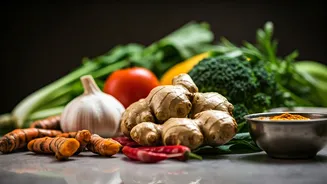
Your kitchen is a treasure trove of immunity-boosting ingredients. Spices like turmeric (haldi), ginger (adrak), garlic (lehsun), and black pepper (kali mirch) are your best friends during the monsoon. Turmeric is a powerful antiseptic and anti-inflammatory agent. Ginger is excellent for soothing sore throats and improving digestion. Garlic is known for its potent antiviral and antibacterial properties. Start your day with a warm glass of water with honey and a pinch of pepper, or add a generous amount of these spices to your dals, curries, and teas. Herbal teas made with tulsi, cinnamon, and cardamom are also great for keeping infections away and your body warm.
Choose Your Fruits and Vegetables Wisely
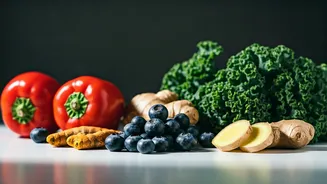
While fruits are essential, you need to be selective during the monsoon. Opt for seasonal fruits like pomegranates, plums, cherries, and pears. These are packed with antioxidants and Vitamin C. It's best to avoid fruits with very high water content, like watermelon and muskmelon, as they can cause water retention. When it comes to vegetables, favour gourds like bitter gourd (karela), bottle gourd (lauki), and ridge gourd (tori). These are light on the stomach and have a high fibre content. Be extremely cautious with leafy green vegetables like spinach and cabbage. The high humidity makes them susceptible to dirt, germs, and worms. If you must have them, wash them thoroughly in warm water with a bit of salt or vinegar before cooking them completely. Raw salads are a strict no-no.
Stay Hydrated, But the Right Way
It might not feel hot, but you still need to stay hydrated. However, instead of reaching for cold drinks or ice water, which can shock your system and weaken digestion, switch to warm beverages. Drink plenty of boiled and filtered water throughout the day. Herbal teas, as mentioned earlier, are an excellent choice. A warm glass of milk with a pinch of turmeric before bed can also work wonders for your immunity and sleep quality. Buttermilk (chaas) is another fantastic drink for the season; it contains probiotics that promote a healthy gut, which is the cornerstone of a strong immune system.
Foods to Strictly Avoid
Some foods are best kept off your plate until the skies clear. First and foremost, avoid street food, especially items like chaat, pani puri, and cut fruits. The risk of water-borne diseases like typhoid and cholera is extremely high due to contaminated water and poor hygiene. Secondly, reduce your intake of dairy products like paneer and cheese if you are prone to congestion, as they can be mucus-forming. Seafood, including fish and prawns, should also be avoided. The monsoon is the breeding season for fish, and the risk of contamination is significantly higher. Finally, steer clear of raw or undercooked foods, including salads and sprouts, as they can harbour harmful bacteria.