
Understanding the Festival
Janmashtami commemorates the birth of Lord Krishna, the eighth avatar of Vishnu. Celebrations are marked by fasting, devotional singing, and dramatic enactments of Krishna's life. The festival's pinnacle is the midnight celebration, believed to be the hour
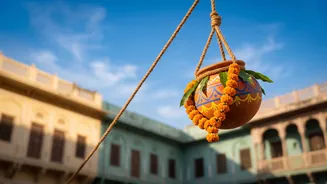
of his birth. While September 4th is the primary date in 2026, some traditions and temples may extend celebrations into September 5th. This is especially true for events like Dahi Handi in Maharashtra and Nandotsav in the Braj region.
Epicentre of Devotion: Mathura and Vrindavan
For the most authentic experience, head to Uttar Pradesh. Mathura, Krishna's birthplace, and Vrindavan, where he spent his childhood, are the heart of the festival. Key sites include the Shri Krishna Janmabhoomi Temple in Mathura and the Banke Bihari and ISKCON temples in Vrindavan. Expect beautifully decorated temples, 24/7 devotional music (bhajans), and massive crowds. The energy is palpable, but be prepared for a chaotic and deeply spiritual immersion, not a quiet holiday. For a less hectic but still immersive experience, consider basing yourself in Vrindavan, which is often described as slightly more relaxed than Mathura.
Coastal Celebrations: Dwarka and Udupi
If you prefer a different flavour of celebration, consider the coastal temple towns of Dwarka in Gujarat and Udupi in Karnataka. Dwarka, Krishna's ancient kingdom, holds grand festivities at the revered Dwarkadhish Temple, set against the Arabian Sea. The celebration includes rituals, folk dances like Garba and Raas, and the Makhan Handi event. In the south, Karnataka's Udupi offers a unique tradition at its Sri Krishna Matha. The festival here, known as Sri Krishna Leelotsava, features vibrant tiger-dances (Pili Vesha) and grand chariot processions, offering a distinct South Indian cultural experience.
Booking Your Trip: The Early Bird Rule
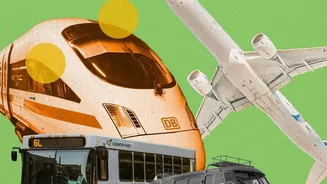
Planning ahead is non-negotiable for a Janmashtami trip. Given the festival's popularity, trains, flights, and especially hotels in key destinations like Mathura and Vrindavan get booked out months in advance. Start looking for accommodation and booking transport at least two to three months before your travel date. Since Janmashtami falls on a Friday in 2026, creating a long weekend, demand will be even higher. Arriving a day or two before September 4th can help you acclimatise and explore before the peak crowds descend.
Navigating the Crowds and Culture
Festival travel in India is a sensory overload. Expect huge crowds, especially near major temples. Often, walking is faster than any vehicle in the restricted zones. Dress modestly, with shoulders and knees covered, as a sign of respect when entering temples. Comfortable footwear is essential. Carry cash for small purchases, stay hydrated, and be prepared for travel delays. While the crowds can be intense, they are also part of the collective spiritual experience. A local guide can be invaluable for navigating the logistics and gaining deeper cultural insights.