

The Allure of an Autumn Escape
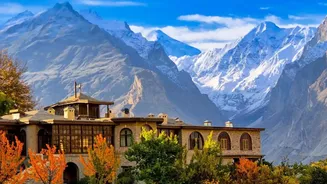
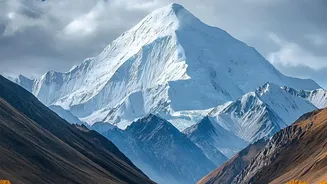
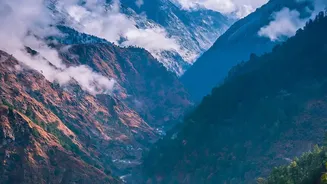
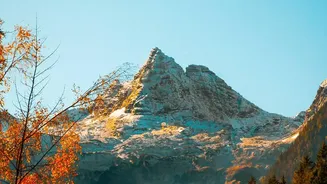
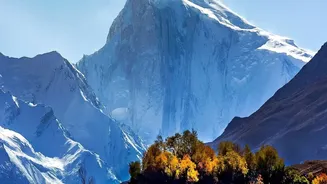
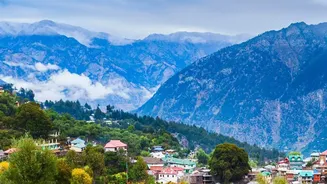
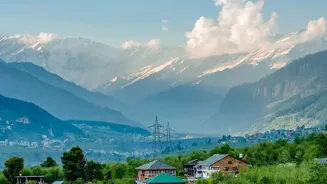
Autumn, spanning from September to November, is arguably the best time to experience Shoja. After the monsoons wash the landscape clean, the skies open up to reveal crisp, clear views of the surrounding Himalayan peaks. The weather is exceptionally pleasant,
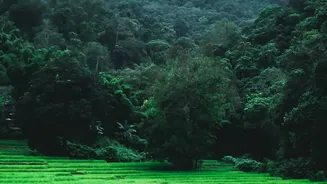
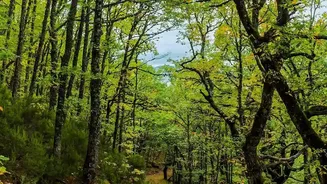
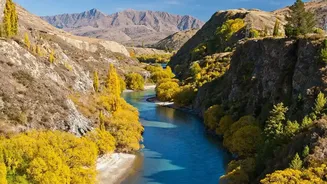
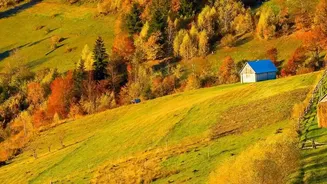
with comfortable sunny days perfect for exploring and cool evenings ideal for a bonfire. The forests, a mix of deodar and oak, transform into a palette of green, yellow, and brown, creating a stunning backdrop for any activity. This post-monsoon clarity and vibrant foliage make it a prime season for photographers and anyone seeking stunning, unobstructed mountain vistas.
A Quieter Corner of Himachal
One of Shoja's biggest draws is its peaceful atmosphere, a stark contrast to the commercial buzz of places like Shimla and Manali. It’s a destination for slow travel, where the main attractions are silence, nature, and a relaxed pace of life. This small village, located near the Jalori Pass, has managed to retain its charm without developing the overwhelming infrastructure of more famous hill stations. For travellers looking to disconnect, read a book by a window with a mountain view, or simply enjoy the fresh, crisp air, Shoja provides an ideal setting. It's a place where you can experience authentic Himachali village life, staying in cozy homestays and interacting with warm, friendly locals.
Trekking Through Golden Landscapes
For nature enthusiasts, Shoja is a gateway to some of the most scenic and accessible treks in the region. The most popular excursion is the route from Jalori Pass (3,120 metres) to Serolsar Lake. The pass itself is a short drive from Shoja. From there, a relatively easy 5-kilometre trek through a dense oak forest leads you to the pristine, clear waters of the lake. According to local legend, the lake's waters are so pure that birds immediately pick up any leaf that falls onto its surface. Another popular trail from Jalori Pass leads to the ruins of Raghupur Fort, which offers 360-degree panoramic views of the Himalayas. These treks are particularly beautiful in autumn when the forest floor is carpeted with leaves and the air is invigoratingly fresh.
Beyond the Main Trails
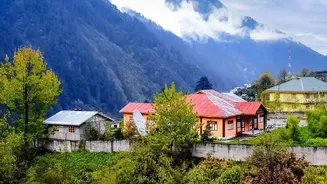
While trekking is a major activity, Shoja and its surroundings offer more subtle pleasures. A short, peaceful walk can lead you to a hidden waterfall, a perfect spot for a quiet morning. The village itself, with its traditional wooden houses, invites leisurely strolls. For those willing to venture a bit further, the nearby Tirthan Valley, part of the Great Himalayan National Park ecozone, provides opportunities for trout fishing and riverside walks along crystal-clear streams. The region is rich in flora and fauna, making even a simple walk through the deodar forests a rewarding experience for those who appreciate biodiversity.
A Haven for Birdwatchers and Photographers
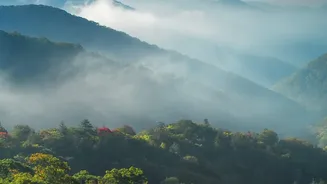
The quiet, forested environment of Shoja makes it a paradise for birdwatching. The area is part of a larger region known for its rich avian life, where you can spot species like the Himalayan Monal, Himachal's state bird. Other birds like the Indian Blue Robin, White-throated Tit, and various pheasants can be found in the dense woods surrounding the village and on the trails towards Jalori Pass. Photographers will find endless inspiration, from the grand Himalayan panoramas visible on clear autumn days to the misty, atmospheric mornings and the golden hour light that bathes the valley in a warm glow.
Planning Your Uncrowded Retreat
Reaching Shoja requires a road journey, as there is no direct rail or air connectivity. The nearest airport is Bhuntar Airport in Kullu, about a 2-3 hour drive away. The most common route by road from cities like Delhi or Chandigarh involves driving to Aut, then turning into the Banjar Valley towards Jibhi and finally climbing to Shoja. Accommodation is primarily in the form of homestays and small guesthouses, which adds to the authentic experience. It's best to book in advance, especially during the peak autumn season. Since it's a high-altitude village (around 8,800 feet), evenings get cold, so packing warm layers is essential, even in autumn.