





Why You Still Need Cash
Despite the global shift towards digital transactions, cash remains essential in many travel scenarios. Imagine trying to buy a souvenir from a bustling local market, grabbing street food, or paying for a taxi in a region with spotty network coverage.
Many small vendors, especially in rural areas or countries like Germany and Japan, operate on a cash-first basis. Even in hyper-modern cities, cash is crucial for small conveniences like tipping service staff or using public restrooms, which often require coins. Furthermore, technology can fail. A dead phone battery, a lost card, or a sudden network outage can leave you stranded without access to your funds. Carrying a reasonable amount of local currency provides a reliable safety net, ensuring you can handle minor expenses and emergencies without depending on a working card machine or a stable internet connection.
The Power of Digital and Cards
While cash is a necessary backup, digital payments and cards should form the core of your travel wallet. Credit cards and multi-currency forex cards offer security and convenience that cash cannot match. If a card is lost or stolen, you can quickly block it to prevent fraudulent use, a protection cash does not offer. For larger expenses like hotel bills, flights, and restaurant meals, cards are the preferred method. Many credit cards offer benefits like travel insurance, rewards points, and purchase protection. Forex cards are particularly useful for Indian travellers, allowing you to load foreign currency at a locked-in exchange rate, protecting you from currency fluctuations and often involving lower transaction fees than standard credit or debit cards. This predictability helps in budgeting and can lead to significant savings over the course of a trip.
The Rise of UPI Abroad
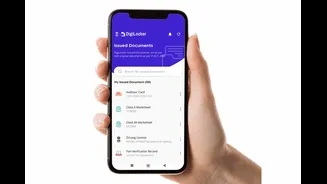
For Indian travellers, the Unified Payments Interface (UPI) is becoming an increasingly convenient option for international payments. As of mid-2026, UPI is accepted in several countries, including France, Singapore, the UAE, Sri Lanka, Mauritius, and Greece, with more nations in the pipeline. This allows you to scan a QR code at participating merchants and pay directly from your Indian bank account, just like you do at home. While incredibly handy, it's important to have realistic expectations. UPI acceptance is not yet universal and is often concentrated in tourist-heavy areas or with specific partner merchants. It should be seen as a convenient supplement to your payment strategy, not a replacement for cards and cash. Before you travel, you'll need to activate international transactions on your UPI app.
Creating a Balanced Payment Strategy
The smartest approach is not to choose one method over the other, but to build a flexible, hybrid wallet. Experts recommend never relying on a single form of payment. A well-rounded strategy for an international trip should include a mix of options. Use a primary credit card with low foreign transaction fees for most of your planned spending to accumulate rewards. Carry a dedicated multi-currency forex card, pre-loaded with the destination's currency, to manage your budget and save on exchange rate markups. Keep a debit card handy specifically for ATM withdrawals, but use it sparingly to avoid high fees. Finally, always have a sensible amount of local currency for those cash-only situations. This layered approach ensures you are prepared for any payment scenario you might encounter, from a high-end restaurant to a remote roadside stall.
Your Pre-Departure Financial Checklist
A little preparation goes a long way in preventing financial stress during your travels. Before you leave, run through this simple checklist. First, inform your bank and credit card companies about your travel dates and destinations to avoid your cards being blocked for suspicious activity. Research the typical payment culture of your destination—are they more cash-reliant or card-friendly? Check the foreign transaction fees on your credit and debit cards and choose the one with the lowest rates for your primary use. If using a forex card, load it with the required currency a few days in advance to lock in a favourable rate. Finally, withdraw a small amount of the destination's currency before you leave or at an airport ATM upon arrival. This ensures you have cash on hand for immediate needs like a cab or a quick snack, starting your trip on a smooth and prepared note.