




One Family, Two Personalities
It might surprise many to learn that the humble Shimla mirch (capsicum or bell pepper) and the feisty hari mirch (green chilli) are botanically related. Both are members of the Capsicum genus, which belongs to the nightshade family, Solanaceae, making
them relatives of tomatoes and eggplants. The vast difference between a sweet bell pepper and a spicy chilli is a testament to centuries of selective cultivation. Originally from the Americas, these plants were spread globally by explorers. Over time, farmers cultivated varieties for specific traits—some for intense heat, others for a larger, sweeter, and fleshier fruit with no heat at all.
The Science of Sensation: Heat vs. Sweet
The defining difference between a chilli and a capsicum lies in a chemical compound called capsaicin. This substance is responsible for the burning sensation, or 'pungency', that we associate with chillies. It is concentrated primarily in the white, pithy membrane that holds the seeds. The amount of capsaicin determines a chilli's rating on the Scoville Heat Unit (SHU) scale. For instance, a fiery Guntur chilli from Andhra Pradesh packs significant heat, while a Bhut Jolokia can be intensely punishing. In contrast, capsicums (bell peppers) contain a recessive gene that blocks the production of capsaicin, leaving them with a SHU of zero. Their flavour profile is defined by sweetness and a grassy, crisp character, not heat.
The Role of Chilli: Flavour and Fire
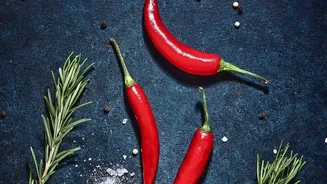
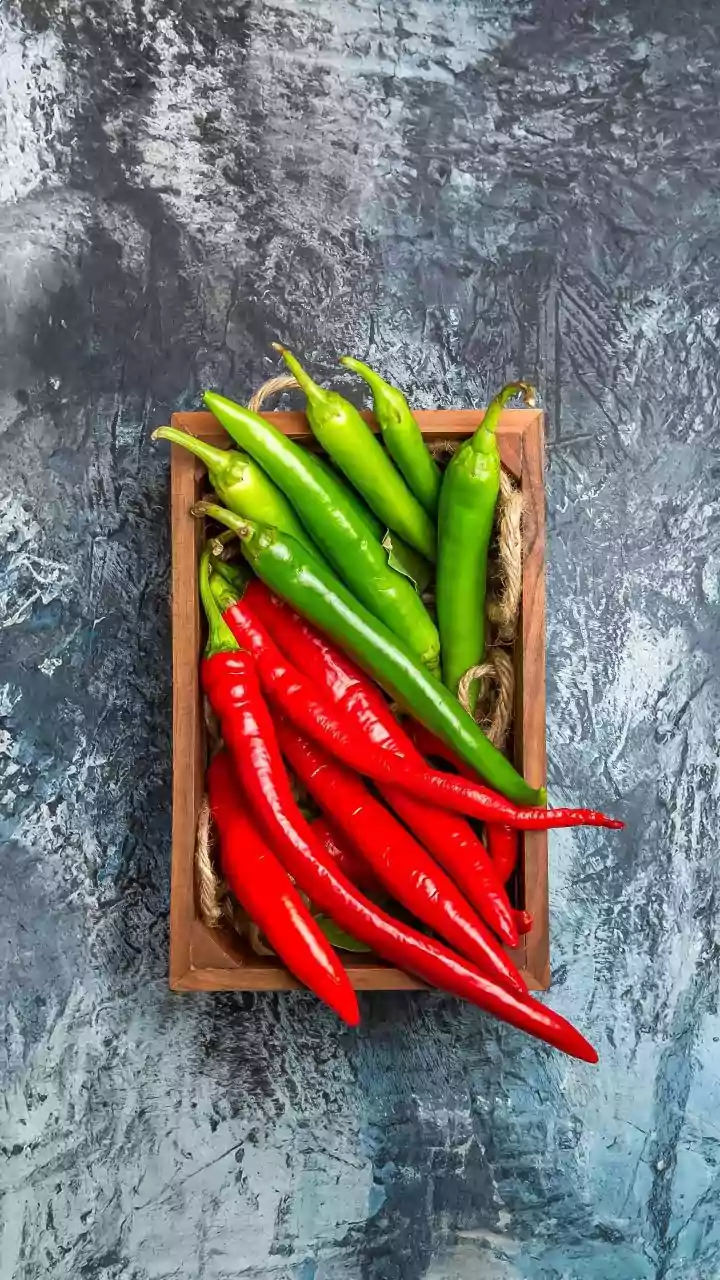
In the vegetarian Indian pantry, the chilli is a non-negotiable workhorse. It's used in several forms: fresh green, dried red, and powdered. Fresh green chillies, like the popular Jwala variety, are often used in tadka (tempering), where they are briefly fried in hot oil to release their pungent flavour into a dal or sabzi. They are also ground into pastes for chutneys or used raw for a sharp bite. Dried red chillies, like the famous Kashmiri variety, are prized more for their vibrant red colour than for intense heat, forming the base of many gravies and spice blends. Hotter varieties like Guntur are used to make powders that provide the signature spice in everything from sambar to complex masalas.
The Charm of Capsicum: Crunch and Colour
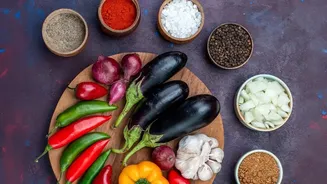
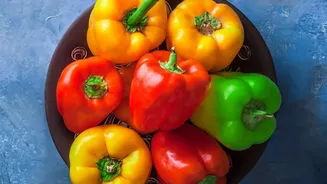
Capsicum, or Shimla mirch, plays a completely different role. Its primary contributions are texture, volume, and a mild sweetness. In North Indian cuisine, it’s a star in dishes like Kadai Paneer and Bharwa Shimla Mirch (stuffed capsicum), where its ability to hold its shape and absorb flavours is key. In Indo-Chinese cooking, julienned capsicum is essential for adding a satisfying crunch to fried rice and noodle dishes. Unlike chillies, which are used sparingly for heat, capsicums are treated as a vegetable. The different colours offer subtle flavour variations: green is slightly more bitter and savoury, while red and yellow are sweeter and fruitier as they are more ripe.
Nutritional Powerhouses
Both peppers are nutritional assets. Chillies are packed with Vitamin C—often containing more per gram than even bell peppers. They are also a good source of Vitamin A and potassium. The capsaicin in hot peppers is also studied for its potential health benefits, including anti-inflammatory properties and a metabolism boost. Capsicums are also excellent sources of vitamins, particularly Vitamin A and C. Red bell peppers, being the most mature, have significantly more Vitamin C and beta-carotene than their green counterparts. Both contribute valuable dietary fibre, making them a healthy addition to any meal.
Your Pantry's Perfect Partners
Thinking of chillies and capsicums as rivals misses the point; they are partners that create balance. A chilli adds the sharp, fiery note that awakens the palate, while a capsicum provides a sweet, crunchy counterpoint. For storage, both should be kept in the refrigerator. Chillies can be stored loose in the crisper drawer, while capsicums do well in a paper or perforated plastic bag. To reduce the heat of a chilli, remember to remove the inner pith and seeds where most of the capsaicin resides. By understanding their distinct functions, a home cook can move beyond simply following a recipe and start composing dishes with greater control over flavour, texture, and heat.