

The Golden Duo: Ginger and Turmeric
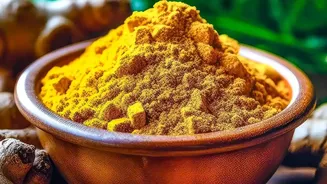
This isn't a dry spice blend, but a foundational paste that starts countless Indian dishes. The pairing of ginger and turmeric is a masterclass in synergy. Culinarily, ginger provides a pungent, spicy heat that cuts through richness, while turmeric offers
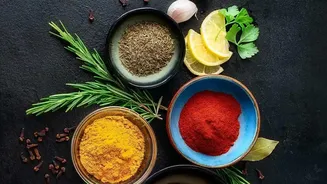
a warm, earthy, and slightly bitter note that grounds the flavour profile. Together, they create a balanced aromatic base that is more complex than either ingredient used alone. In Ayurveda, this combination is revered. Ginger is known for stimulating 'agni' (digestive fire), while turmeric is celebrated for its anti-inflammatory properties. When combined, they are believed to create a potent mix that supports digestion and immunity. This duo isn’t just about flavour; it’s a traditional approach to wellness, making it the most fundamental 'blend' in the Indian kitchen.
Garam Masala: The Warming Finisher
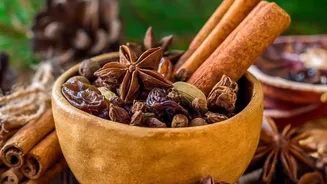
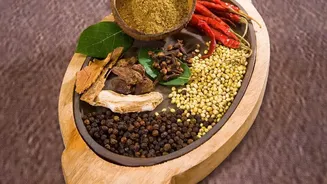
Meaning 'warm spice blend', garam masala is not about chilli heat but about creating a sense of warmth. It's an aromatic blend, typically featuring 'warming' spices like cinnamon, cloves, black pepper, and cardamom, often balanced with earthier notes of cumin and coriander. Unlike many other masalas, garam masala is most often used as a finishing spice. Adding a teaspoon or so at the very end of cooking preserves its volatile aromatic oils, giving curries, dals, and stews a final flourish of fragrance that elevates the entire dish. Think of it not as the main event, but as the final, beautiful scent that hits you just before you eat.
Sambar Powder: The Soul of the South
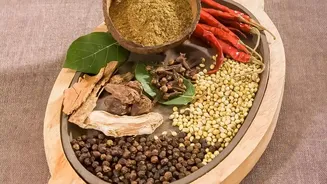
Travel to South India, and you'll find sambar, a lentil and vegetable stew, is a staple. The secret to its distinctive taste is sambar powder, or 'sambar podi'. This robust blend gets its body and flavour from a unique combination of roasted lentils (like toor and chana dal) and spices. Coriander seeds form the backbone, supported by cumin, fenugreek, black pepper, and a generous amount of dried red chillies. The lentils are not just filler; when roasted and ground, they add a nutty, savoury depth and help to thicken the stew naturally. This creates a complex flavour that is simultaneously spicy, tangy, and earthy.
Panch Phoron: The Five-Spice Temper
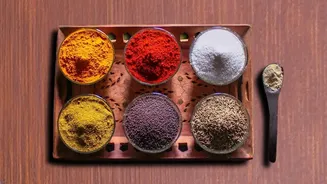
Hailing from Eastern India, particularly Bengal, 'panch phoron' literally means 'five spices' or 'five tempers'. Unlike ground masalas, this is a blend of whole seeds: typically fenugreek, nigella, cumin, black mustard, and fennel seeds in equal parts. Its magic is released through 'tadka' or tempering. The seeds are fried in hot oil or ghee until they pop and sizzle, infusing the fat with their distinct aromas. This fragrant oil then becomes the flavour base for dals, vegetable dishes, and pickles. Each seed contributes something unique: bitterness from fenugreek, onion-like notes from nigella, earthiness from cumin, pungency from mustard, and a sweet, anise-like flavour from fennel.
Chaat Masala: The Zesty Finisher
If you've ever enjoyed Indian street food, or 'chaat', you've tasted the magic of chaat masala. This is a tangy, salty, and slightly funky seasoning blend that is almost always used raw, sprinkled over a dish just before serving. Its signature flavour comes from two key ingredients: 'amchur' (dried green mango powder) for a tart, sour kick, and 'kala namak' (black salt) for a distinctive, slightly sulphurous, and deeply savoury taste. These are supported by roasted cumin, coriander, ginger, and a hint of chilli. Chaat masala is not meant for cooking, as heat destroys its bright, bold character. Instead, a sprinkle over fruit salad, yoghurt, or roasted vegetables adds a surprising and addictive layer of flavour.