



Weather vs. Climate: Not the Same Thing
First, let's clear up a common confusion. Predicting the weather is about forecasting conditions—temperature, rain, wind—for the next few days or weeks. It’s highly dependent on the atmosphere's current state. Climate, on the other hand, is the average
of weather over decades. Climate modelling isn't about predicting if it will rain on your birthday in 2040; it's about understanding long-term trends. Think of it this way: weather is your mood today, while climate is your personality. Scientists use different tools for each. Weather forecasts are like a snapshot, while climate models are like a feature-length film of our planet's future, based on the fundamental laws of physics and chemistry.
The Key Ingredient: Atmospheric Aerosols
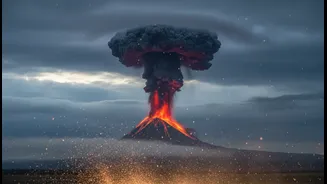
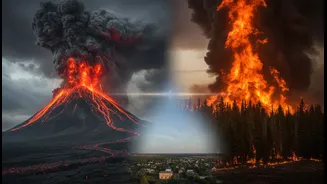
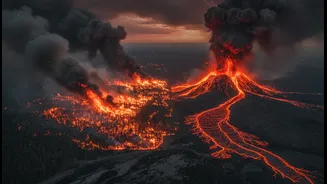
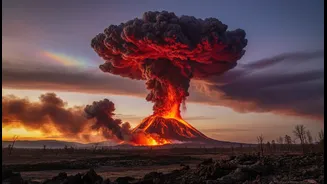
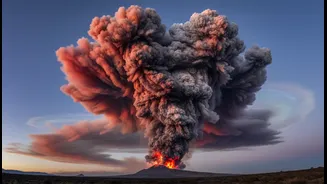
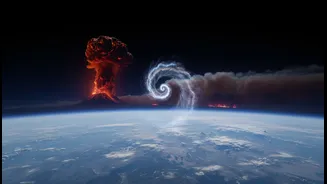
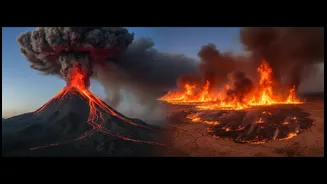
When a volcano erupts or a forest burns, it pumps massive quantities of tiny particles and gases into the air. These are called aerosols. They are so small they can float in the atmosphere for months or even years, travelling around the globe. These particles are at the heart of how these events impact climate. Depending on their size, colour, and what they are made of, aerosols can either reflect sunlight away from Earth, causing a cooling effect, or absorb it, causing a warming effect. Climate models are designed to simulate these complex interactions to calculate the net effect on global temperatures.
Volcanoes: Nature's Giant Sunshade
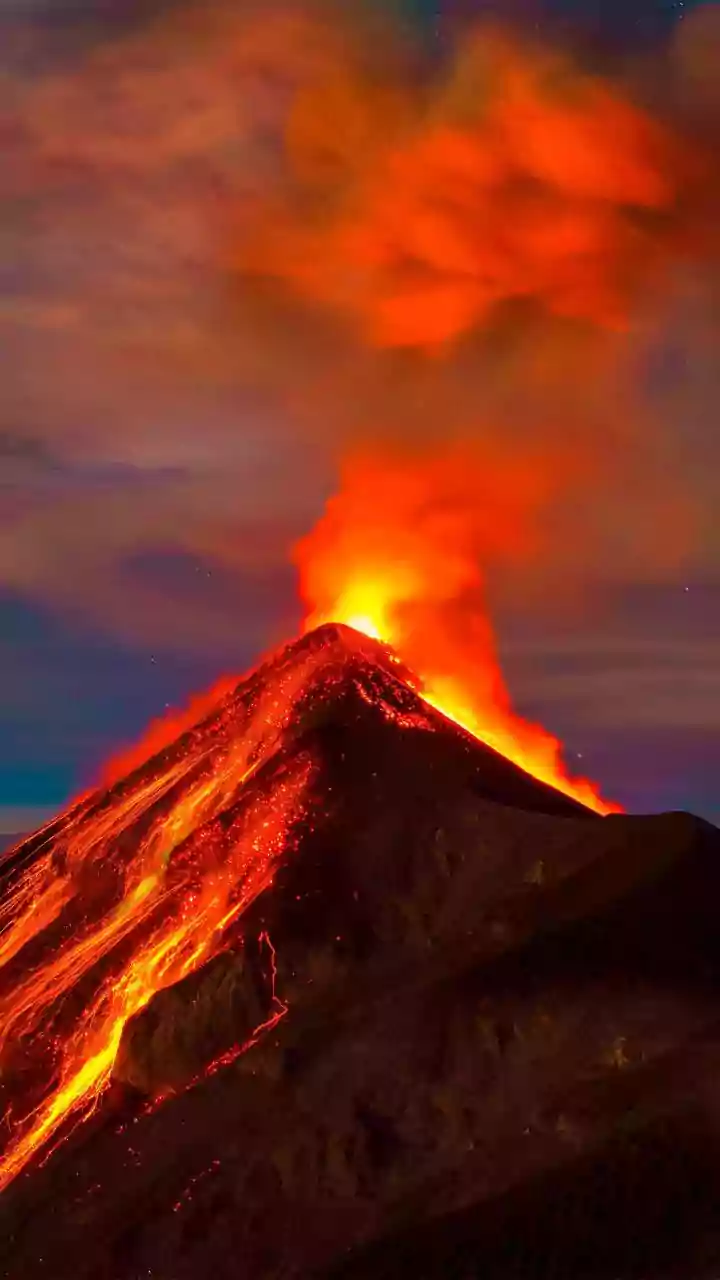
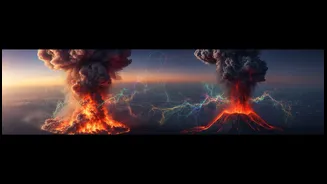
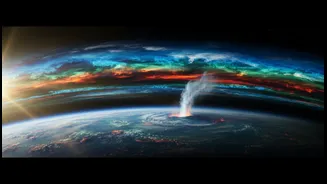
Major volcanic eruptions are powerful enough to inject sulfur dioxide gas high into the stratosphere, far above the clouds and weather. There, the gas reacts with water to form a hazy layer of light-coloured sulfate aerosols. This haze acts like a giant, reflective sunshade, scattering sunlight back into space and cooling the Earth's surface below. The 1991 eruption of Mount Pinatubo, for instance, cooled the planet by about 0.5°C for a couple of years. Climate models are quite good at simulating this effect because the physics is relatively straightforward. The biggest challenge isn't the science but the unpredictability; since we don't know when the next big eruption will be, models often have to work with historical averages.
Wildfires: A More Complicated Picture
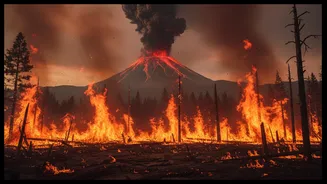
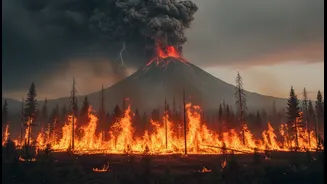
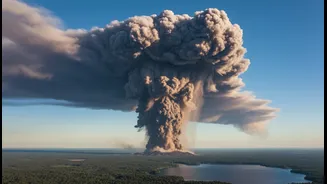
Wildfire smoke is a more complex story. Like volcanoes, massive fires can be powerful enough to send smoke into the stratosphere. But smoke is a mixed bag of aerosols. It contains reflective particles that cause cooling, but it also contains black carbon, or soot, which is dark and absorbs sunlight, warming the atmosphere. The ultimate climate impact—warming or cooling—depends on the type of wood and leaves burning and the fire's intensity. For a long time, this made wildfires a major source of uncertainty in climate models. However, recent studies suggest that many models may have overestimated the warming effect, and that wildfire smoke likely provides a greater net cooling effect than previously believed.
From Global Models to Your Weather
So how does a global temperature change of half a degree translate into the weather you experience? This is where long-range weather forecasting comes in. These forecasts, which look weeks or months ahead, use the outputs from global climate models as a starting point. They look for large-scale shifts in atmospheric circulation caused by events like a volcanic cooling. An eruption can influence major weather patterns, potentially affecting the timing of a monsoon or the severity of a winter. These forecasts don’t predict daily weather but provide probabilities, such as whether a season is likely to be warmer, cooler, wetter, or drier than average.
A Sharper Focus for the Future
The science of climate modelling is constantly evolving. Researchers are working to improve how models represent the complex chemistry of wildfire smoke and the precise behaviour of volcanic plumes. By combining ever-more powerful computer simulations with real-world data from satellites and field campaigns, scientists are steadily reducing the uncertainties. While we can't control these massive natural events, this deeper understanding provides a clearer picture of their consequences, helping us better prepare for the long-term climate shifts they can trigger.