
Jaipur in winter is a magical experience. The scorching summer heat gives way to crisp, sunny days perfect for exploring. This guide highlights two of the Pink City's most iconic landmarks, Amber Fort and Hawa Mahal, for your winter itinerary.
Why Winter is Jaipur's Golden Season
From November
to February, Jaipur's weather is at its best. Daytime temperatures are mild and pleasant, typically ranging from a comfortable 15°C to 25°C, making it ideal for sightseeing without the exhaustion of the summer heat. The air is crisp, and the soft winter sun makes the city's pink-hued architecture glow, offering perfect conditions for photography. This is the season when you can truly enjoy walking through grand fort courtyards, climbing ancient ramparts, and exploring bustling bazaars without breaking a sweat. While it's the peak tourist season, the festive atmosphere and comfortable climate make the crowds manageable and the experience unforgettable.
The Majestic Amber Fort
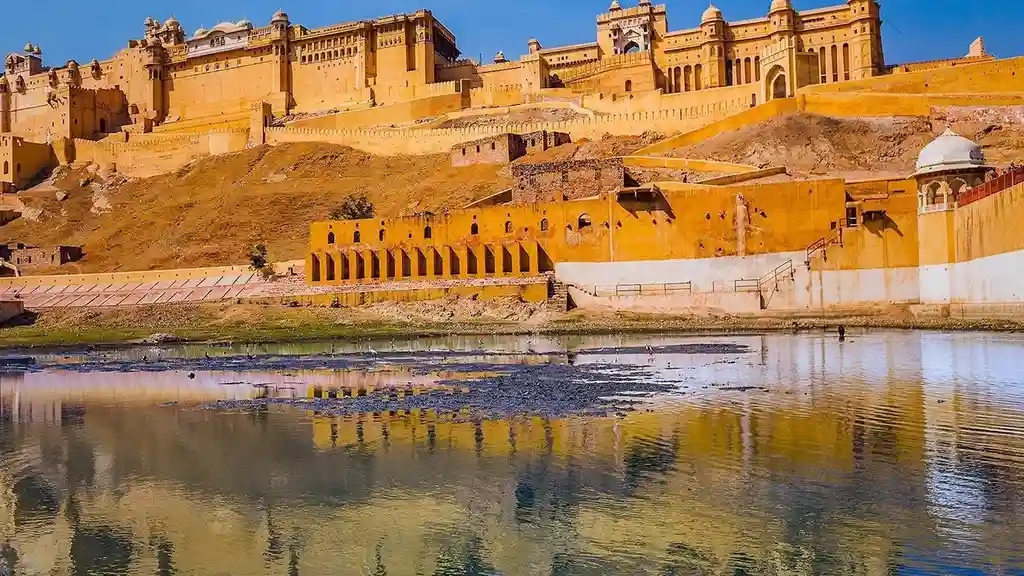
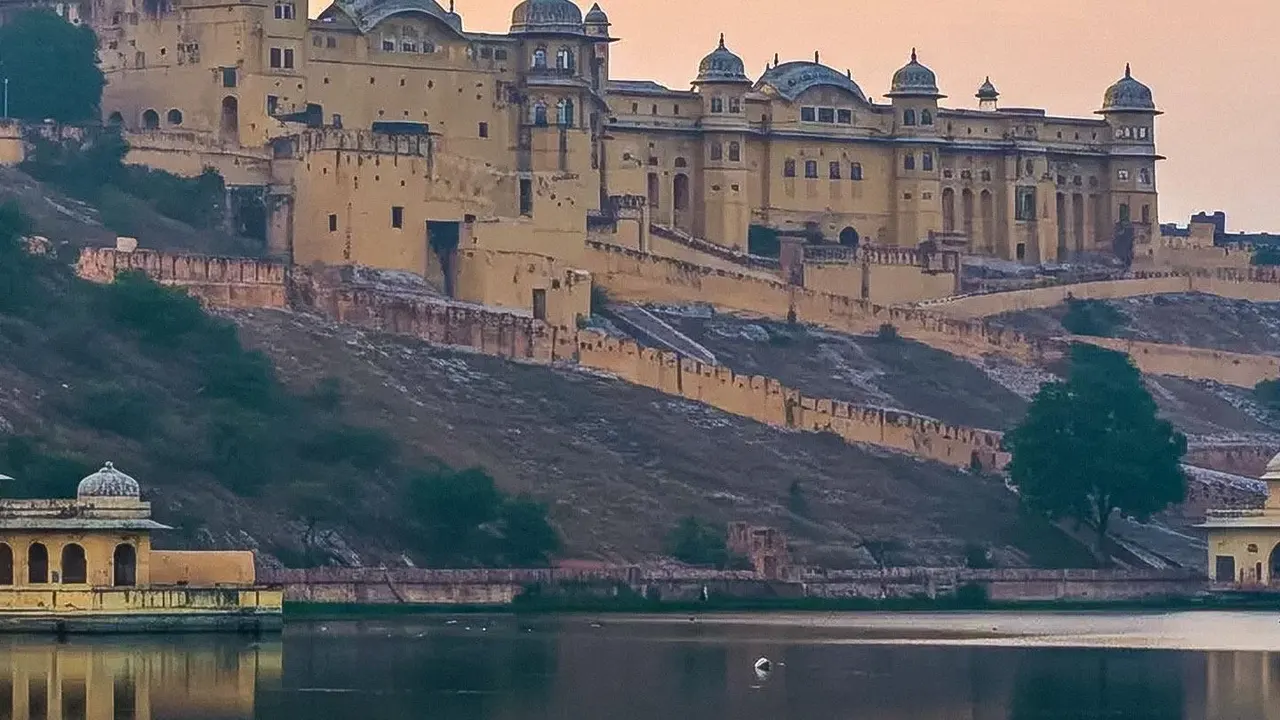
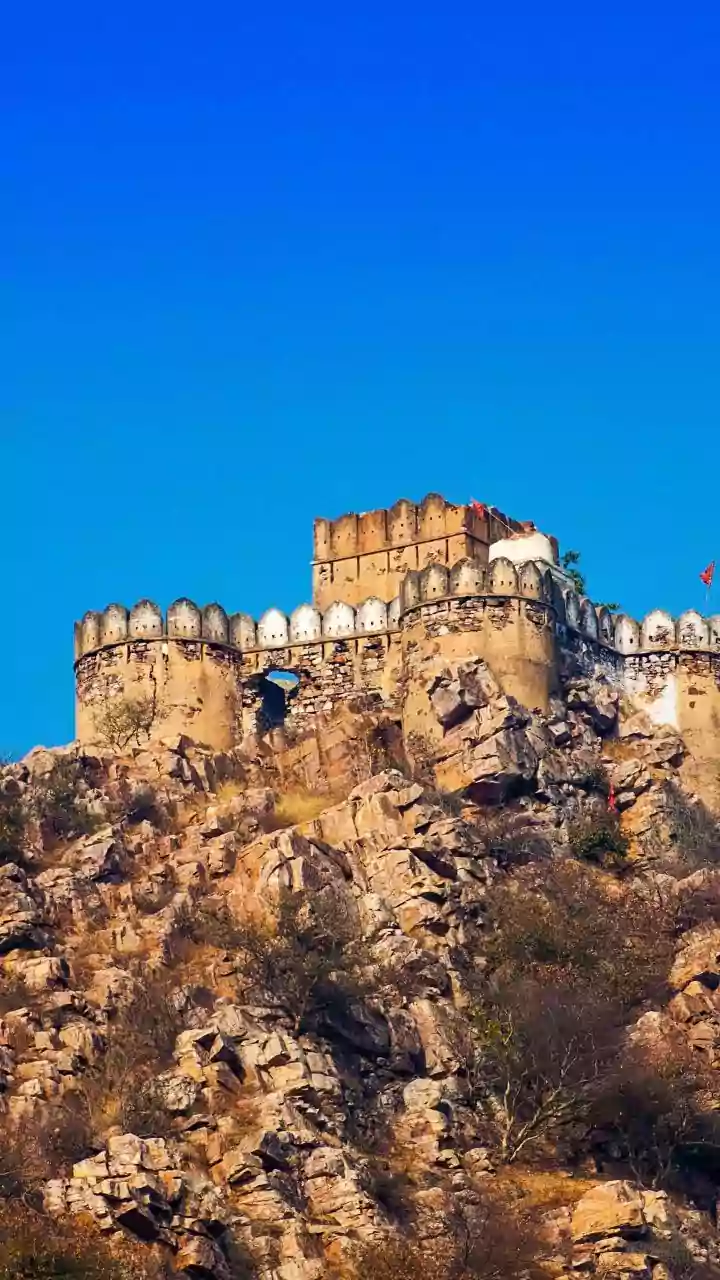
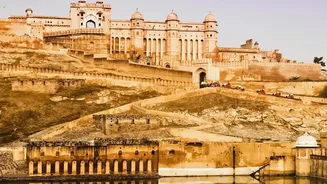
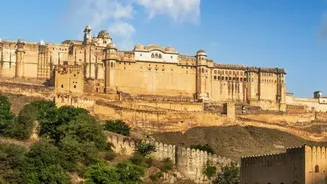
Perched on a hill overlooking Maota Lake, the magnificent Amber Fort is an unmissable part of any Jaipur trip. Built in the 16th century, its sprawling complex of courtyards, palaces, and gardens showcases a stunning blend of Rajput and Mughal architecture. Winter is the best time to explore its vast grounds, from the public audience hall of Diwan-i-Aam to the breathtaking Sheesh Mahal (Mirror Palace), where thousands of mirrors create a dazzling effect. The cooler temperatures make the climb up to the fort much more enjoyable. For a memorable experience, consider attending the evening Light and Sound Show, which narrates the fort's rich history against its illuminated backdrop.
Practical Tips for Visiting Amber Fort
Amber Fort is open daily, typically from 8:00 AM to 5:30 PM for day visits. To avoid the biggest crowds and the strongest midday sun, it's best to arrive early, right when it opens. Most tour groups arrive after 9:30 AM, so an early start ensures a more peaceful experience. Allow at least two to three hours to explore the complex properly. Wear comfortable walking shoes, as the pathways are extensive and can be uneven. You can reach the fort, located about 11 km from the city center, via taxi, auto-rickshaw, or local bus.
The Iconic Hawa Mahal
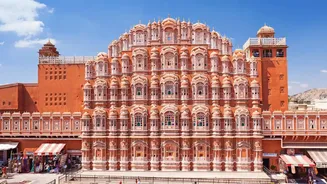
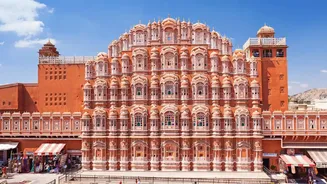
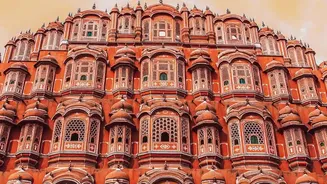
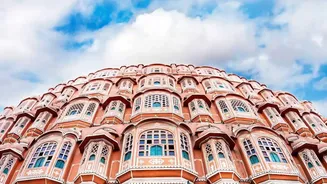
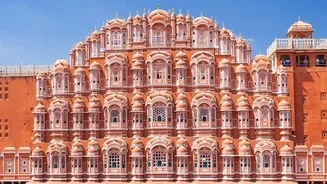
Hawa Mahal, or the 'Palace of Winds', is Jaipur's most famous postcard image. This five-storey pink sandstone facade, with its intricate honeycomb of 953 small windows called 'jharokhas', is a marvel of architecture. Built in 1799, it was designed to allow the royal women to observe street festivities and daily life without being seen. The latticework also allows breezes to flow through, acting as a natural form of air conditioning. While the view from the street is iconic, you can also go inside. The entrance is from the rear of the building, and ramps lead you to the upper floors where you can peer through the jharokhas yourself. For the best photographs of the exterior, head to one of the rooftop cafes directly opposite the monument, especially in the soft morning light.
More Winter Wonders in the Pink City
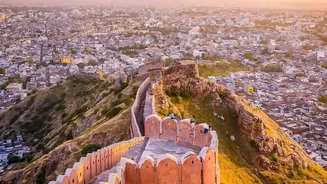
Beyond Amber Fort and Hawa Mahal, Jaipur's pleasant winter weather invites further exploration. Just a short walk from Hawa Mahal are the City Palace, a royal residence with grand courtyards and museums, and Jantar Mantar, a UNESCO World Heritage site featuring a collection of ancient astronomical instruments. For stunning sunset views over the entire city, make your way to Nahargarh Fort, perched on the Aravalli Hills. The bustling Johari Bazaar and Bapu Bazaar are perfect for an evening of shopping for jewellery, textiles, and traditional Rajasthani handicrafts.
A Taste of Jaipur in Winter
A winter trip to Jaipur is incomplete without savouring its seasonal culinary delights. The cooler weather is perfect for indulging in rich, warming dishes. Don't miss out on Rajasthan's signature meal, Dal Baati Churma, a hearty dish of baked wheat balls with lentils and a sweet crumble. For street food, try a hot Pyaaz Kachori (onion-filled pastry) or a spicy Mirchi Bada. Winter is also the season for delicious sweets like Gajak (a sesame and jaggery brittle), Moong Dal Halwa, and Gajar ka Halwa (carrot pudding). Wash it all down with a hot cup of masala chai served in a traditional clay cup, or 'kulhad'.