



Why Choose Sangla and Kalpa?
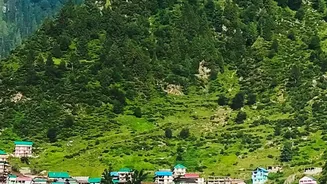
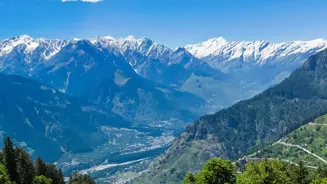
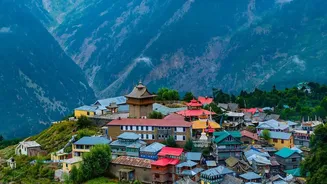
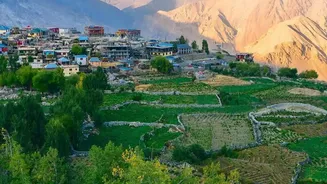
Unlike more commercialised hill stations, the valleys of Sangla and Kalpa offer a quieter, more profound connection to nature and culture. Sangla Valley, also known as Baspa Valley, is a breathtaking expanse of apple orchards, cedar forests, and quaint
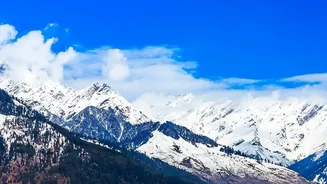
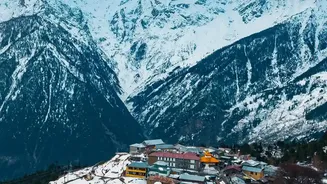
villages nestled along the Baspa River. Kalpa, a small town perched high above the district headquarters of Reckong Peo, provides awe-inspiring, front-row views of the sacred Kinner Kailash range. The festive season, particularly from September to November, is an ideal time to visit, as the weather is pleasant, the skies are clear after the monsoon, and you might catch the end of the apple harvesting season or local festivals. The National Tribal Festival, often held around the end of October, showcases Kinnauri folk dances, wood carvings, and textiles, offering a unique cultural window.
The Journey: An Adventure in Itself
Reaching these remote havens is a significant part of the experience. The journey is long but rewarding, carving through the mountains alongside the roaring Sutlej River. The most common route is a road trip from Delhi or Chandigarh, with an overnight halt recommended in Shimla or Narkanda. From there, the drive continues along National Highway 5, the historic Hindustan-Tibet Road. The road is a marvel of engineering but requires cautious driving, especially through the cliff-cut sections. A typical 7 to 8-day trip allows for a comfortable pace, accounting for potential road closures or delays which can happen in the mountains. While self-driving is an option, hiring a local driver who knows the terrain is a wise choice for a stress-free journey.
A Suggested 7-Day Calm Itinerary
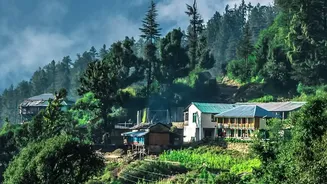
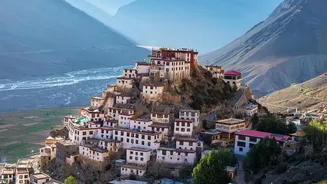
To truly soak in the serenity, avoid rushing. A 7-day itinerary provides a good balance of travel and relaxation. Day 1: Travel from Delhi/Chandigarh to Shimla or Narkanda for an overnight stay to acclimatise. Day 2: Drive to Sangla Valley. The journey is long, so start early. Check into your hotel or homestay and relax. Day 3: Explore Sangla and its surroundings. Visit the ancient Kamru Fort, walk through Batseri village with its traditional wooden architecture, and spend time by the Baspa River. Day 4: Take a day trip to Chitkul, the last inhabited village near the Indo-Tibetan border. Experience its unique charm and breathtaking landscapes before returning to Sangla. Day 5: Drive from Sangla to Kalpa (approx. 2-3 hours). After settling in, visit the Kalpa Monastery and watch the sunset dramatically light up the Kinner Kailash peaks. Day 6: Explore the area around Kalpa. Take a walk to the nearby Roghi village, known for its traditional houses and stunning views from a spot often called 'Suicide Point'. Day 7: Begin the long journey back towards Shimla/Delhi, carrying memories of the tranquil mountains.
Finding Your Peaceful Abode
Accommodation in Sangla and Kalpa ranges from comfortable hotels to intimate homestays that offer a genuine taste of Kinnauri hospitality. In Sangla, options include riverside camps and retreats that immerse you in nature. In Kalpa, many hotels and guesthouses are designed to maximize the stunning mountain views, with balconies opening up to the Kinner Kailash range. Opting for a homestay can provide a deeper cultural experience, often including home-cooked meals and conversations with local families. Booking in advance is recommended, especially if travelling during the peak festive window.
Embracing the Slow Pace of Life
The essence of a trip to Sangla and Kalpa is to slow down. The 'calm' you seek is found in simple pleasures. Take long walks through apple orchards and dense forests. Visit ancient monasteries and temples, like the Narayan-Nagini Temple in Kalpa or the Bering Nag Temple in Sangla, and observe the unique blend of Hindu and Buddhist traditions. Engage with the warm and welcoming Kinnauri people. Explore the Tibetan Wood Carving Centre in Sangla for local handicrafts. The real itinerary is to have no strict itinerary at all—just allow the rhythm of the mountains to guide your days.