
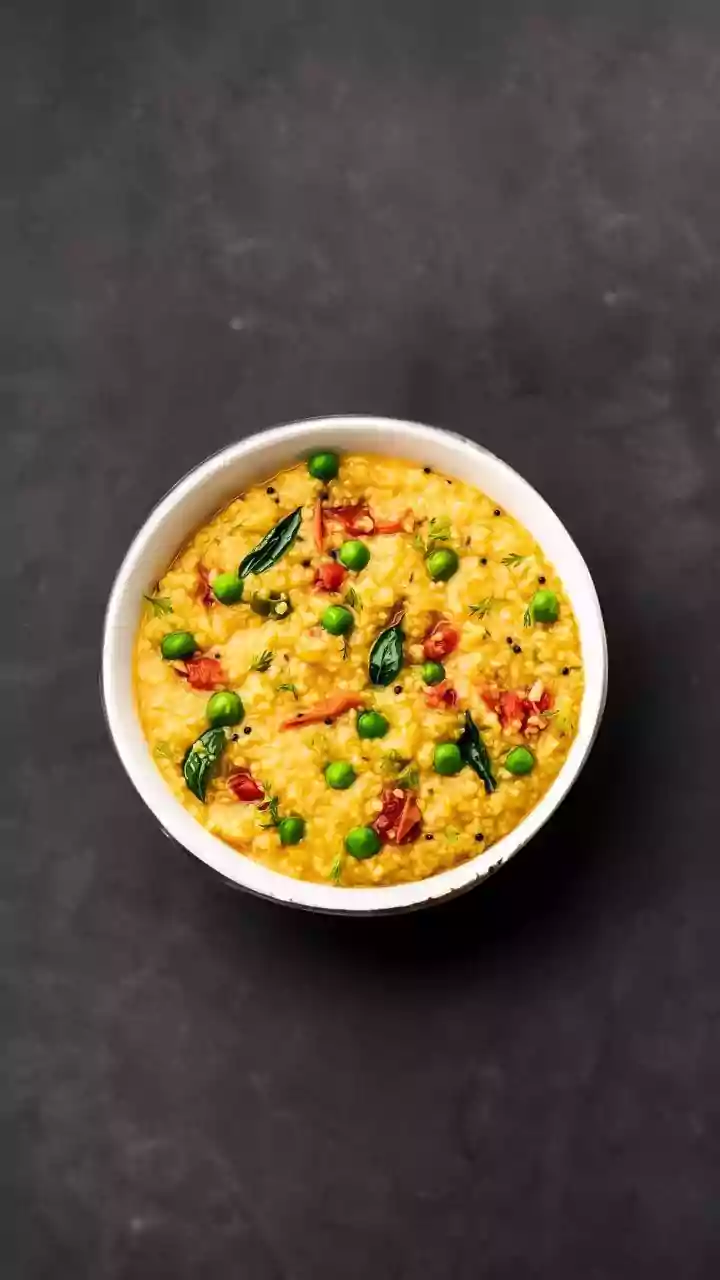
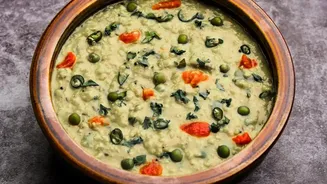
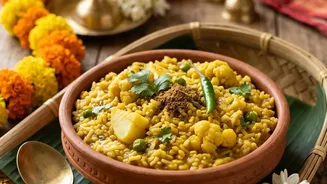
Meet the Contenders: Dalia and Khichdi
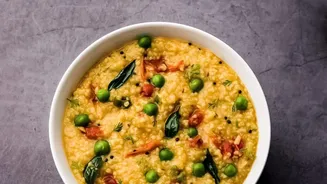
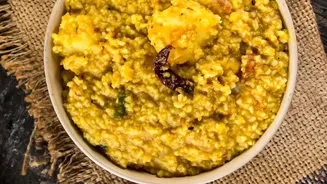
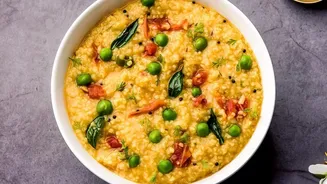
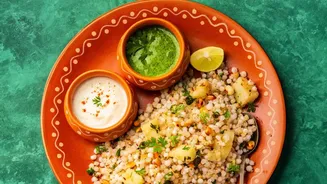
Before diving into the nutritional specifics, let's get reacquainted with these two humble heroes of the Indian kitchen. Dalia, also known as broken or cracked wheat, is a whole grain that has been minimally processed. Because it retains the nutrient-rich
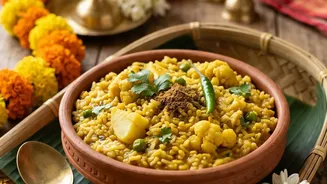
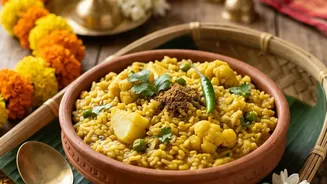
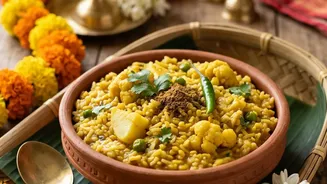
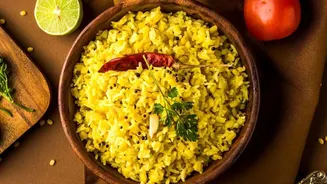
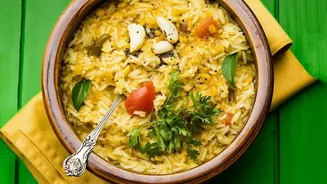
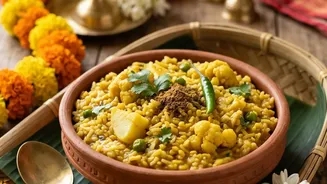
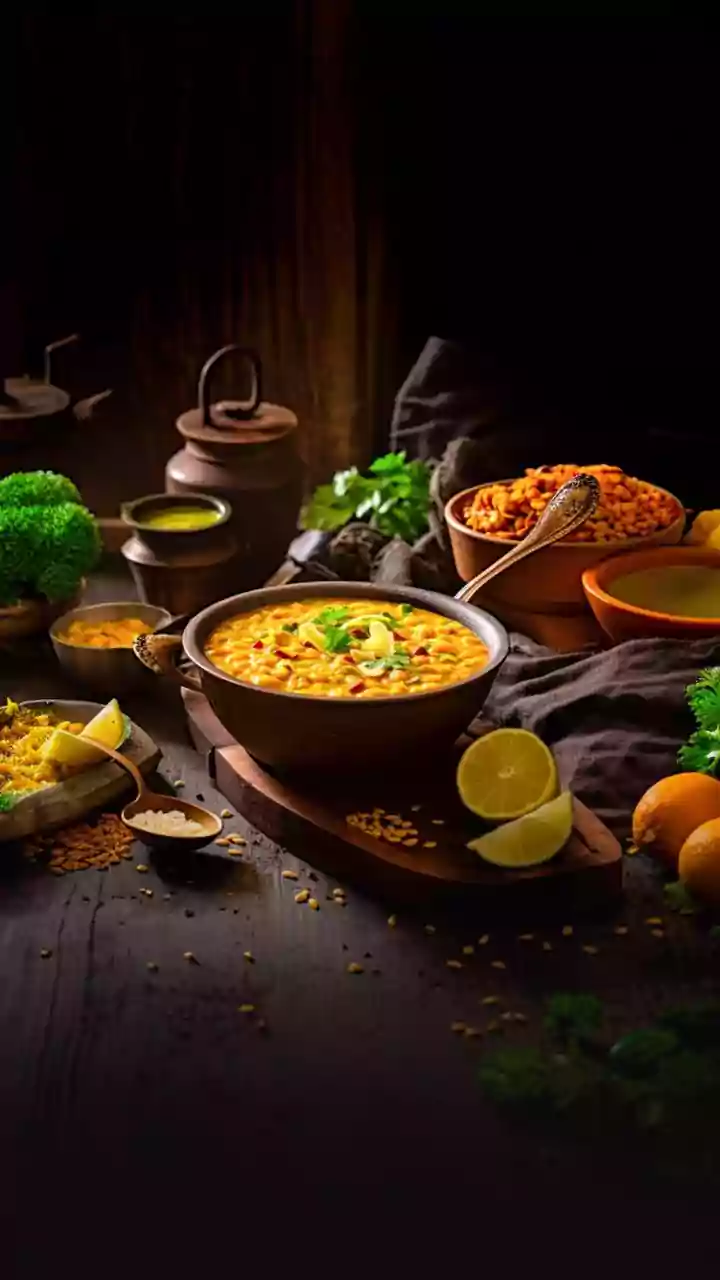
bran and germ, it's a fantastic source of complex carbohydrates and, most notably, dietary fibre. It's versatile enough to be cooked as a sweet porridge with milk or a savoury dish with vegetables. Khichdi, on the other hand, is a timeless one-pot meal revered for its simplicity and digestibility. Its foundation is a combination of rice and lentils—most commonly moong dal. This pairing is a nutritional masterstroke, as the cereal and pulse together create a complete protein source, providing all essential amino acids. Often the first solid food for babies and a go-to meal during illness, Khichdi is universally considered soothing and healing.
The Protein Showdown
When it comes to protein, the comparison isn't as straightforward as you might think. Raw, uncooked dalia contains a respectable amount of protein, approximately 12 grams per 100g. However, since dalia absorbs a lot of water during cooking, a typical bowl of plain cooked dalia provides a more modest 4-5 grams of protein. Khichdi's protein content comes from its lentil component. A 100g serving of a basic moong dal khichdi can offer around 4.5 to 9 grams of protein, depending heavily on the ratio of dal to rice. The key advantage for Khichdi is its protein quality. The combination of rice (rich in methionine) and dal (rich in lysine) creates a complete protein, which is crucial for muscle repair and growth. Dalia's protein from wheat is incomplete on its own. However, you can easily turn dalia into a complete protein meal by cooking it with moong dal, turning it into a 'dalia khichdi'.
Fibre and Carbohydrates: Dalia Takes the Lead
This is where Dalia truly shines. As a whole wheat product, it is exceptionally high in dietary fibre. Raw dalia contains about 10-12 grams of fibre per 100 grams. This high fibre content is crucial for digestive health, promoting regular bowel movements and making you feel full for longer, which is a great advantage for weight management. In comparison, the fibre content in a standard khichdi made with white rice is more modest, typically around 3-4 grams per serving. Dalia also has a lower glycemic index (around 41-55) compared to traditional khichdi made with white rice, meaning it releases sugar into the bloodstream more slowly. This prevents energy crashes and makes it a favoured choice for people managing diabetes.
Ease of Digestion: Khichdi's Comforting Edge
There's a reason Khichdi is the ultimate comfort food, especially during illness or recovery. It is famously easy to digest. Moong dal, in particular, is considered one of the lightest and most digestible pulses in Ayurveda. Its soft, creamy texture is gentle on the stomach, providing nourishment without being heavy. While dalia is also considered easy to digest, its high fibre content can be a bit much for a very sensitive stomach. For post-illness recovery, digestive upset, or a light meal for the elderly and young children, Khichdi often remains the undisputed champion.
The Verdict: Which Meal Is for You?
Neither Dalia nor Khichdi is universally 'better'; the ideal choice depends entirely on your personal health goals. Choose Dalia when: - Your primary goal is weight management or you want to feel full for longer. Its high fibre content is a clear winner here. - You need to manage your blood sugar levels. Dalia's low glycemic index helps ensure a slow, steady release of energy. - You're looking for a high-fibre breakfast to power you through the morning. Choose Khichdi when: - You need a light, easily digestible meal for recovery or a sensitive stomach. - You want a complete protein source in a single vegetarian dish, which is perfect for post-workout muscle repair. - You are looking for a comforting, balancing meal that is suitable for all ages, from infants to the elderly.