





Lean into Dairy Power
Dairy products are a cornerstone of Navratri fasting and an excellent source of high-quality protein. Paneer (cottage cheese) is a versatile hero, packing between 18 to 20 grams of protein per 100g serving. You can grill it as a tikka, crumble it into
bhurji using rock salt, or add it to vegetable curries. Yoghurt (curd) is another fantastic option, providing probiotics for gut health alongside a solid protein punch. A bowl of curd, a glass of milk or buttermilk can easily be added to any meal to boost its protein content and help maintain muscle mass during the fast.
Embrace Fasting-Friendly Flours
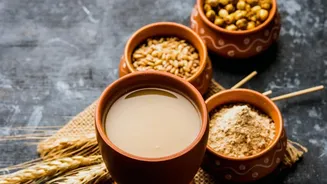
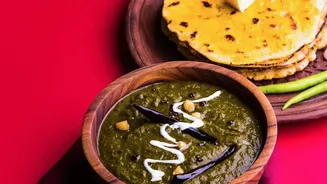
While regular grains are avoided, certain flours are permitted and offer significant nutritional benefits. Kuttu ka atta (buckwheat flour) is a standout, rich in both protein and fibre. Using it to make cheelas (pancakes), parathas, or rotis provides sustained energy. Rajgira (amaranth) is another powerhouse, considered a complete protein and a good source of dietary fibre. Similarly, singhara atta (water chestnut flour) and samak rice (barnyard millet) are great alternatives that are lighter on digestion and offer more fibre and protein compared to traditional fasting staples like sabudana.
Go Nuts for Nuts and Seeds
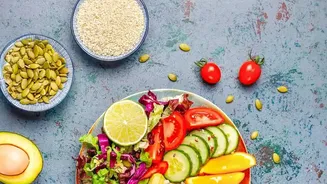
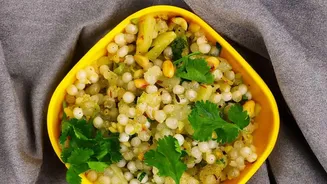
Nuts and seeds are small but mighty sources of protein, healthy fats, and fibre. A handful of almonds, walnuts, or roasted peanuts makes for a perfect, energy-boosting snack. You can also incorporate them into your meals. Adding peanuts to sabudana khichdi not only enhances the flavour and crunch but also significantly improves its protein profile, balancing out the carbohydrates. Seeds like flaxseeds and pumpkin seeds can be blended into smoothies or sprinkled over fruit bowls. These foods help keep you feeling full and prevent energy crashes between meals.
Make Friends with Makhana
Makhana, or fox nuts, are a light, crunchy, and surprisingly nutritious snack allowed during Navratri. They are a good source of protein and fibre while being low in calories. Roasting a bowl of makhana with a little ghee and rock salt is a simple and satisfying snack. You can also get creative by making a makhana kheer with milk and almonds for a protein-packed dessert or a savoury curry by combining them with paneer and a tomato-based gravy. Their high fibre content aids digestion and helps in flushing out toxins.
Fill Up on Fibrous Vegetables and Fruits
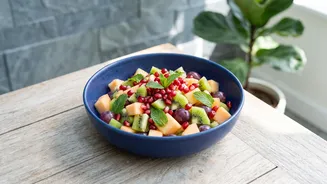
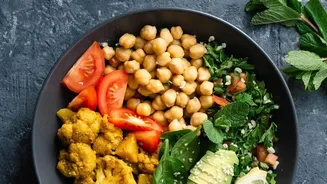
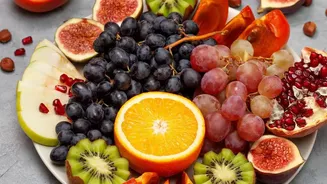
Do not underestimate the power of vegetables and fruits. While potatoes are a popular choice, many other fibre-rich vegetables are also permitted. Pumpkin, bottle gourd (lauki), cucumber, and sweet potatoes are excellent choices. Sweet potatoes, in particular, are a great source of complex carbohydrates and fibre, which helps in feeling full for longer. Making a simple kaddu ki sabzi (pumpkin curry) or a lauki curry can add significant fibre to your meal. All fruits are allowed and are packed with vitamins, minerals, and natural sugars for a quick energy boost. A fruit chaat or a bowl of mixed fruits is a great way to stay hydrated and nourished.
Smart Meal Combinations
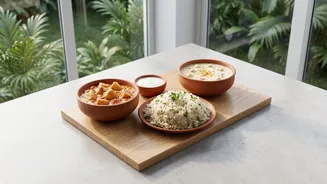
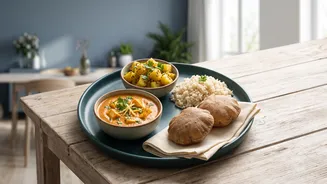
The secret to a balanced Navratri diet lies in combining food groups effectively. Instead of having a meal of just potatoes or sabudana, try to pair your carbohydrates with a protein and a fibre source. For example, have kuttu rotis with a side of paneer bhurji and a cucumber salad. Combine samak rice with vegetables and peanuts to make a nutrient-dense pulao. Pairing sabudana with yoghurt or a peanut-based dish slows down digestion and prevents the sharp energy spikes and subsequent crashes associated with high-carb meals.