


Why the Monsoon is Perfect for Herbs
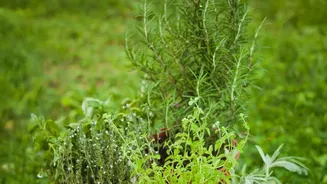
The rainy season provides a naturally nurturing environment for many herbs. The increased humidity, cooler temperatures, and soft, ambient light create ideal growing conditions. For urban gardeners limited to balconies and windowsills, this season means
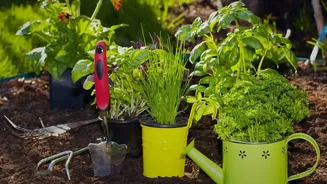
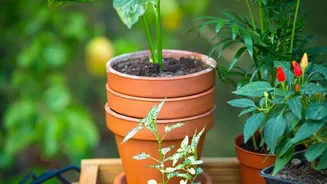
less time spent watering and more time enjoying the lush growth. Herbs grown in containers are particularly well-suited for apartments, allowing you to control soil and drainage, which is crucial during periods of heavy rain. Growing your own herbs not only gives you instant access to fresh ingredients but also provides health benefits, as many of these plants have properties that can help boost immunity during a season known for colds and coughs.
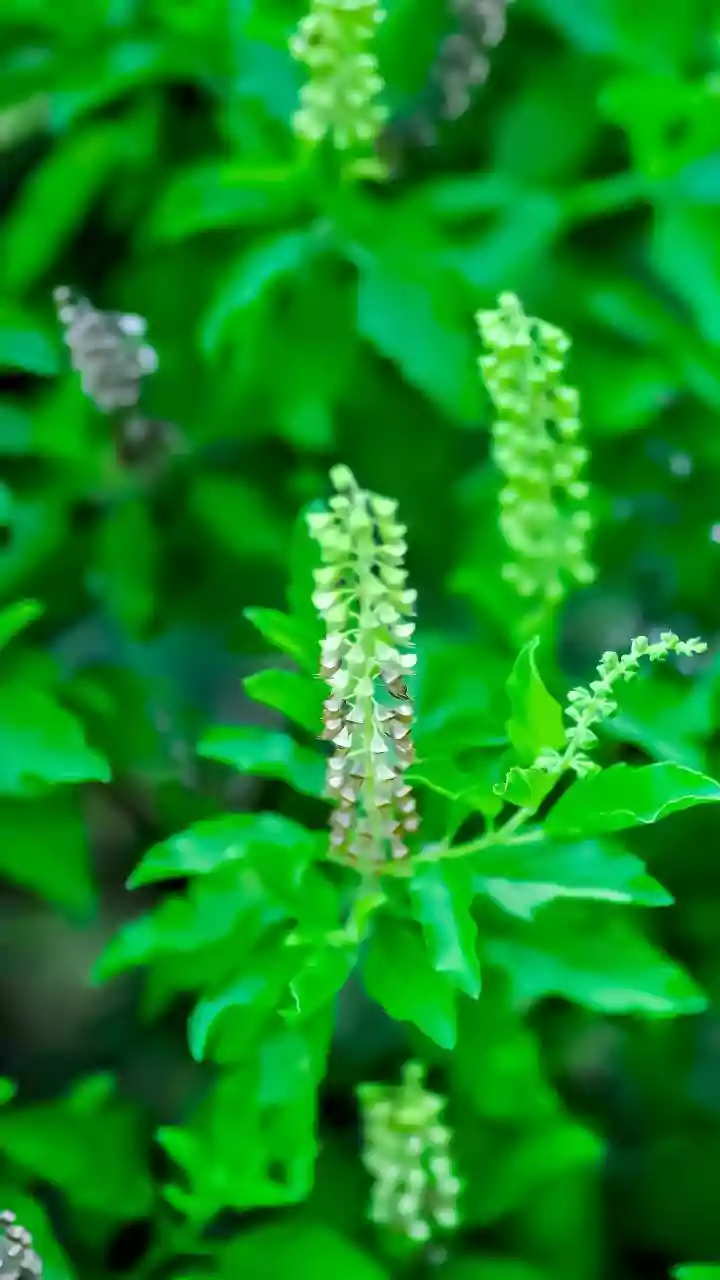
Tulsi (Holy Basil): The Immunity Guardian
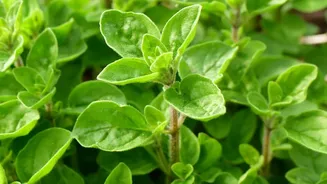
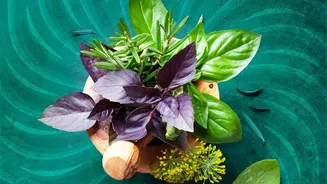
No Indian home garden is complete without Tulsi, and the monsoon is a great time to nurture it. Revered for its medicinal properties, Tulsi is known to help fight off seasonal infections and boost the immune system. To grow Tulsi in a pot, use a well-draining soil mix of garden soil, compost, and a little sand. Place it where it can get 4-6 hours of sunlight, but protect it from very heavy downpours which can cause root rot. The key during monsoon is to avoid overwatering; let the topsoil dry out between waterings, as the rainwater itself is often sufficient. Pluck a few leaves for your morning chai to help soothe the throat and clear congestion.
Mint (Pudina): A Refreshing Monsoon Staple
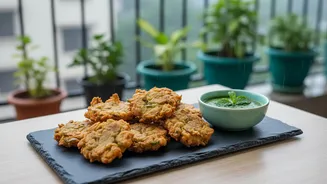
Mint is famously easy to grow and thrives in the monsoon moisture. Its refreshing flavour is perfect for chutneys to accompany rainy-day pakoras or for a calming cup of tea. Mint spreads quickly, so growing it in a pot is ideal to keep it contained. Use a wide, shallow pot with good drainage holes. It prefers a spot with morning sun and some afternoon shade. You can easily grow it from healthy stems purchased from the market; just place them in water for a few days until roots appear, then plant them in a mix of soil, coco peat, and compost. Regular trimming will encourage the plant to grow bushier.
Lemongrass: For That Perfect Chai
The citrusy aroma of lemongrass is a wonderful addition to any balcony garden, especially on a grey, rainy day. It's a key ingredient for a flavourful and therapeutic chai, known to help ease headaches and fight fatigue. Lemongrass is a hardy plant that loves water and sun. Plant a sapling in a deep pot to accommodate its root system. It thrives in the humid conditions of the monsoon. Ensure the pot has good drainage and water it regularly, though you can reduce frequency during heavy rains. To use it, simply snip a stalk, crush it lightly to release its aromatic oils, and add it to your tea or soup.
Coriander (Dhania): The Essential Garnish
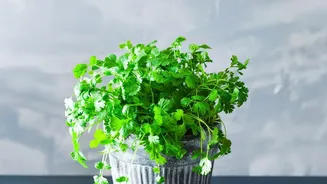
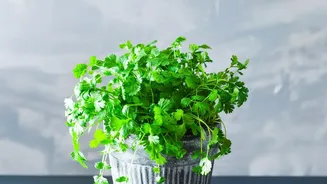
Fresh coriander is a staple in Indian cooking, but it can be difficult to keep fresh when bought from the market. Growing it at home ensures a constant supply for garnishing dals, curries, and salads. The monsoon's cooler temperatures are perfect for coriander, which tends to bolt in extreme heat. Use a wide, shallow tray or pot with well-draining soil. Scatter the seeds, cover them lightly with soil, and keep them moist. Coriander grows quickly, and you can start harvesting the outer leaves within a few weeks, allowing the inner leaves to continue growing.
Monsoon Herb Care 101
While the monsoon is beneficial, it also brings challenges like waterlogging and fungal growth. Ensure all your pots have excellent drainage holes to let excess rainwater escape. If possible, move smaller pots to a sheltered spot during prolonged, heavy downpours to prevent the soil from becoming waterlogged. Good air circulation is key to preventing fungal issues, so avoid crowding your plants too closely together. Finally, keep an eye out for pests like aphids and mites, which can thrive in humid weather. A simple spray of neem oil solution can help keep them at bay naturally.