




A New Chapter in Overnight Journeys
For decades, Indian Railways has been the backbone of long-distance travel, but overnight journeys often meant a trade-off between time, comfort, and speed. The introduction of Vande Bharat sleeper trains marks a significant leap forward. The first commercial
service began on January 22, 2026, between Kamakhya (Guwahati) and Howrah, setting a new benchmark for what travellers can expect. Following this, a second service, the Sant Ravidas Express, was launched on July 17, 2026, connecting Varanasi with Chheharta (Amritsar). These services are not just another train; they represent a strategic shift towards faster, more comfortable, and efficient overnight travel, aiming to compete with buses and even airlines on popular routes.
What Sets the Sleeper Apart?
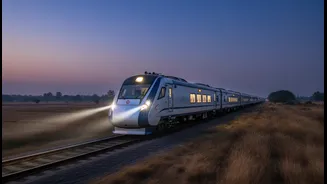
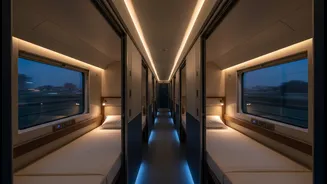
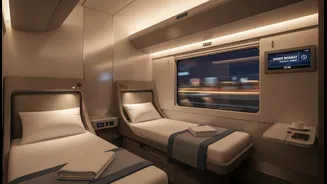
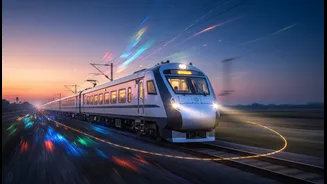
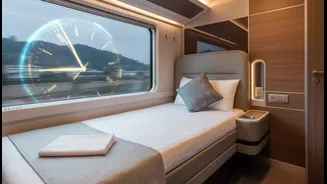
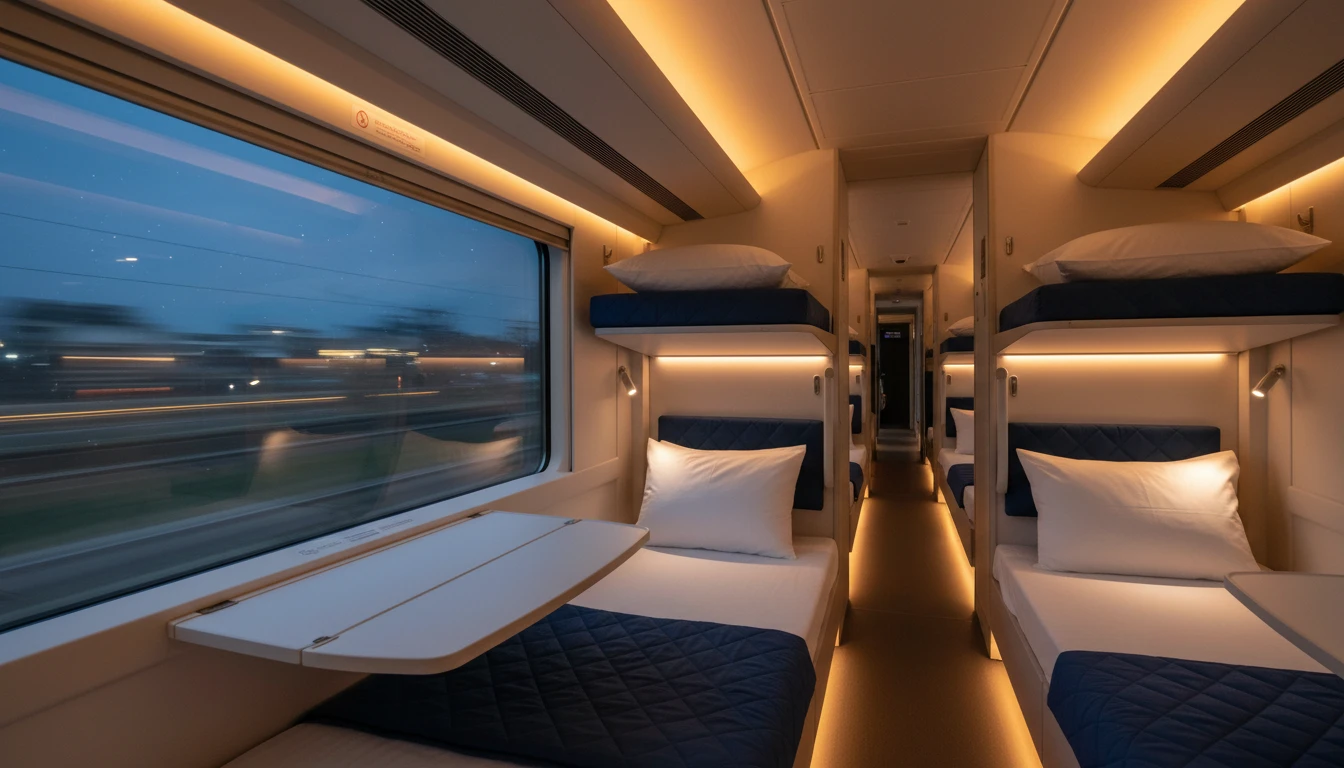
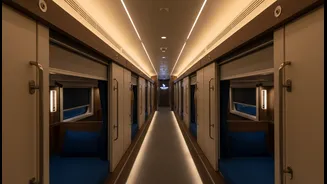
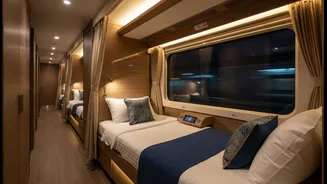
The Vande Bharat sleeper is fundamentally different from its predecessors like the Rajdhani or Duronto Express. Unlike conventional trains pulled by a locomotive, Vande Bharat trains use a distributed power system, allowing for rapid acceleration—reaching 0 to 100 km/h in just 52 seconds. This design, coupled with an operational speed of up to 160 km/h, significantly cuts down travel time. For passengers, the experience is elevated. The interiors are designed to match modern global standards, featuring wider, better-cushioned berths, individual reading lights, and charging points for every passenger. Advanced suspension systems ensure a smoother ride with less noise and vibration, creating a cabin environment more akin to an airplane than a traditional train. Safety is also enhanced with automatic doors and a GPS-based passenger information system providing real-time updates.
The Weekend Warrior’s New Best Friend
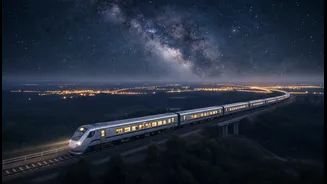
The true game-changer for weekend travel is the combination of speed and convenient scheduling. The Varanasi-Chheharta service, for instance, departs from Varanasi in the evening on key weekend-starting days like Thursday and Saturday, arriving the next day. Similarly, the Kamakhya-Howrah service operates overnight, covering nearly 1000 km in about 14 hours. This model allows travellers to board after a full day of work, sleep comfortably, and arrive at their destination early the next morning, maximising their weekend. This efficiency could make previously impractical weekend trips, like a jaunt from Delhi to Varanasi or Mumbai to Bengaluru, a regular occurrence for many. Passengers can save on a night's hotel stay and avoid the fatigue of a long road trip, making short getaways more accessible and enjoyable.
Expanding Network and Future Plans
While the first routes are operational, this is just the beginning. Indian Railways has ambitious plans for a nationwide network of these sleeper services. A much-anticipated route connecting Bengaluru and Mumbai is on the horizon, with trainsets built by BEML already stationed in Bengaluru for pre-commissioning checks. However, the broader rollout has faced some hurdles. The delivery of 120 trains from one joint venture has been delayed, with prototypes now expected by the end of 2026 due to design approval hold-ups. In response, Indian Railways is exploring using its own manufacturing units to speed up production. Despite these delays, the commitment to expanding the network remains strong, with a focus on connecting major commercial, tourist, and pilgrimage hubs across the country.
Beyond a Comfortable Ride
The impact of the Vande Bharat sleeper network extends beyond passenger convenience. By making destinations more accessible, these trains are expected to boost tourism and local economies. The improved connectivity between eastern Uttar Pradesh and Punjab via the Sant Ravidas Express, for example, is anticipated to facilitate travel for pilgrimage, business, and leisure. Furthermore, by offering a superior alternative to road and air travel for distances of 500-1000 km, these trains can help reduce carbon emissions and road congestion. For the Vande Bharat sleepers to be truly transformative, experts note that Indian Railways must also focus on supporting infrastructure, such as dedicated tracks and modernised signalling, to ensure these high-speed trains can consistently operate at their full potential.