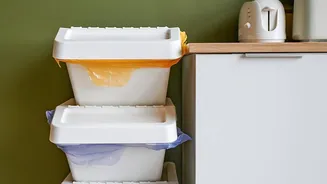






Our Growing Garbage Problem
In India, about half of the municipal solid waste collected is organic material like kitchen scraps and yard trimmings. When this valuable resource is mixed with other trash and dumped in a landfill, it doesn't just sit there. Deprived of oxygen, it decomposes
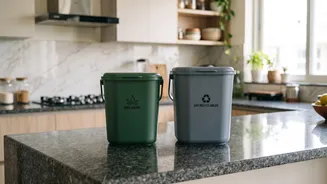
and releases methane, a greenhouse gas significantly more potent than carbon dioxide, which contributes to climate change. These landfills also create toxic liquid runoff, known as leachate, that can contaminate soil and groundwater, posing risks to community health. This makes our current system of throwing everything into one bin not just inefficient, but environmentally hazardous.
The Simple Magic of 'Black Gold'
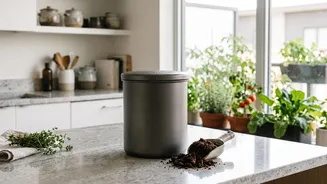
Composting is nature’s recycling program. It's the process of turning organic waste—like your vegetable peels, fruit scraps, and tea leaves—into a rich, dark, soil-like material called compost. Often called 'black gold' by gardeners, this finished product is packed with nutrients. Using compost enriches soil, helping it retain more moisture and reducing the need for chemical fertilizers and pesticides. It improves the soil's structure, whether you have sandy soil that drains too quickly or heavy clay soil that's too dense. In essence, you transform waste that would otherwise produce harmful gases into a valuable resource that helps plants thrive.
How to Start in Your Apartment Today
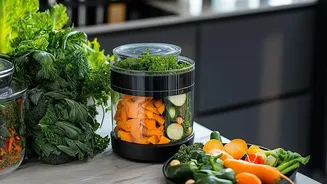
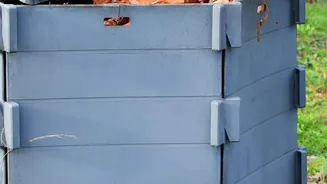
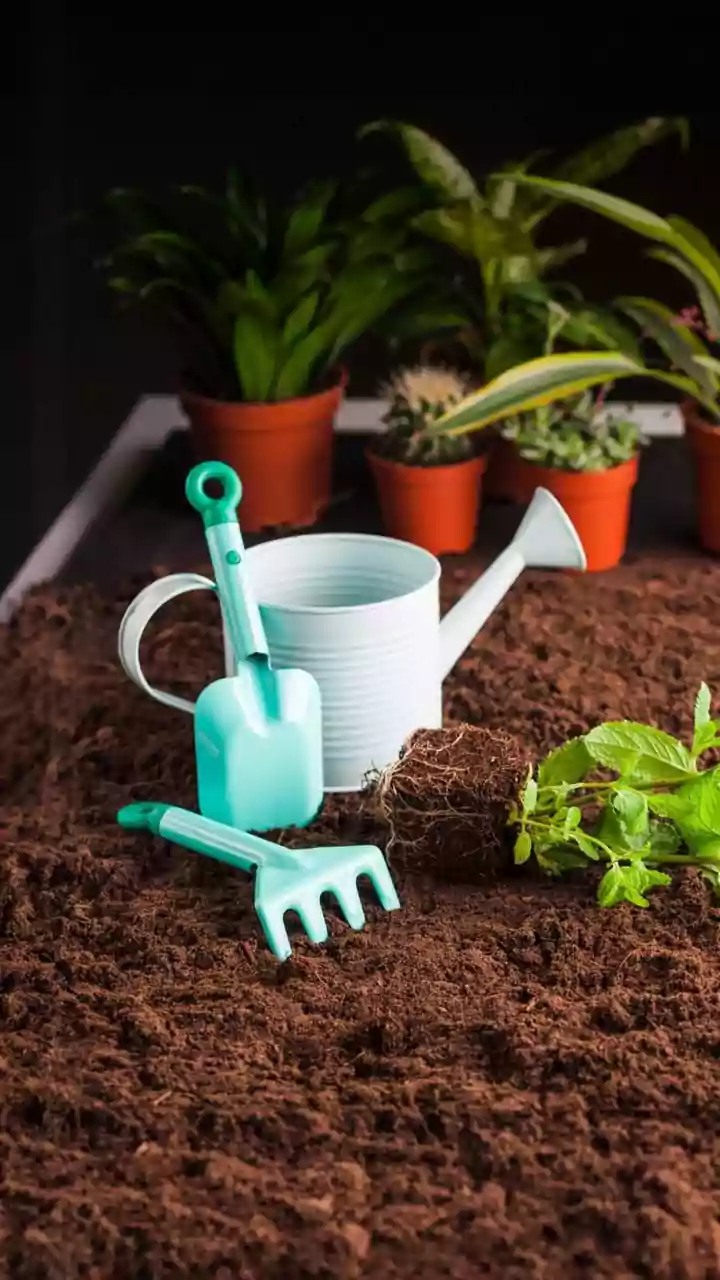
You don't need a large garden or fancy equipment to start composting. The easiest method for apartment dwellers is bin composting. All you need is a container with a lid, like a plastic bucket or a terracotta pot, with a few holes for aeration. Start by creating layers. Put a base layer of 'browns'—carbon-rich materials like dried leaves, shredded newspaper, or coco peat. On top of that, add your 'greens'—nitrogen-rich kitchen scraps. Cover the kitchen waste with another thin layer of browns to balance the pile and prevent odours. Continue layering as you generate waste, and turn the mixture with a stick every few days to keep it aerated. In India's warm climate, you can have finished compost in as little as 4 to 8 weeks.
Busting Common Composting Myths
Many people are hesitant to compost because of a few common myths. The biggest one is that it will smell bad. A properly managed compost pile smells earthy, not rotten. Bad smells are usually a sign that your pile is too wet or has too many 'greens' without enough 'browns' to balance it out. Another concern is attracting pests. If you stick to composting vegetable scraps, yard trimmings, and eggshells—and avoid meat, dairy, and oily foods—you are unlikely to attract rodents. Finally, many think it’s too complicated or takes too long. As shown above, the process is simple layering, and a well-managed bin produces compost relatively quickly.
The Ripple Effect of Your Daily Habit
While the claim of halving all municipal landfill waste is ambitious, you can certainly halve your own household's waste contribution. By diverting up to 50% or more of your daily waste from the bin, you directly reduce the burden on municipal collection and overflowing landfills. This small, individual act has a powerful ripple effect. It lessens the demand for landfill space, cuts down on greenhouse gas emissions, and creates a nutrient-rich product that can be used to grow healthier plants in your own home or community. It's a tangible way to participate in a circular economy, turning a linear problem of 'use and throw' into a regenerative cycle of 'use and return to soil'.