

The High-Stakes Meeting
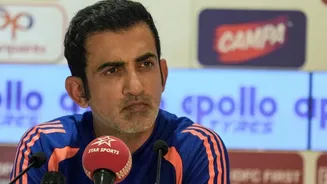
On Thursday, September 3, the top brass of the Board of Control for Cricket in India (BCCI) convened in Mumbai for a significant performance review. This wasn't just a routine check-in; the agenda was packed with critical topics. Attendees included new
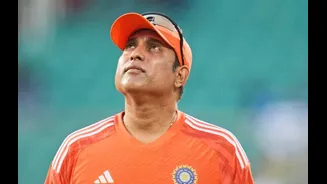
head coach Gautam Gambhir, Test and ODI captain Shubman Gill, T20I skipper Shreyas Iyer, and BCCI President Mithun Manhas. The primary goals were to analyze the team's performance on recent tours of England and Ireland and, most importantly, to create a strategic roadmap for the 2027 ODI World Cup. Amidst discussions about recent losses and player injuries, the unspoken question hovering over the meeting was the future of veteran opener Rohit Sharma.
The Man and The Statement
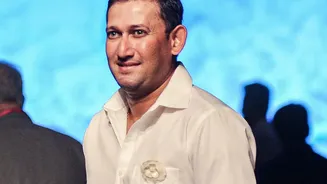
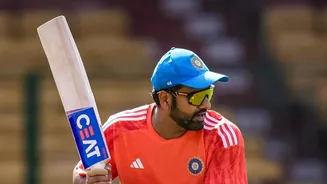
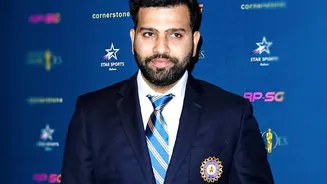
Devajit Saikia, the BCCI secretary, fronted the media after the meeting. It's his job to communicate the board's official position, and his words carry significant weight. Before the meeting, speculation was rampant that the selection committee was looking to move past the 39-year-old Rohit to build a team for the future. However, Saikia's statement was a firm pushback against this narrative. When asked about Rohit's future, he was direct: "He is playing superbly in all matches. What more do you want? In the last match, he scored 138 runs. So, why is there speculation? I do not want to give fodder to the speculators."
Decoding the Message
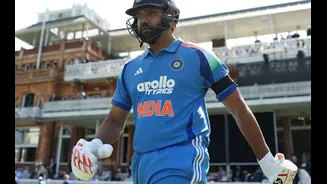
Saikia's comments were more than just a simple defence; they were a clear signal from the BCCI's upper echelons. By pointing to Rohit's recent match-winning century at Lord's, he effectively shut down any immediate talk of retirement or exclusion from the ODI setup. The message is twofold. Firstly, the board values current form and performance over age. Secondly, it serves as a vote of confidence in a senior player, ensuring stability and quashing disruptive rumours that could affect team morale. While selectors might have their own views, Saikia's public backing indicates that the board itself is not ready to close the door on one of its most accomplished cricketers.
The Context of Rohit's Form
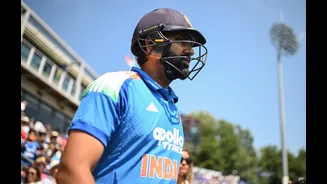
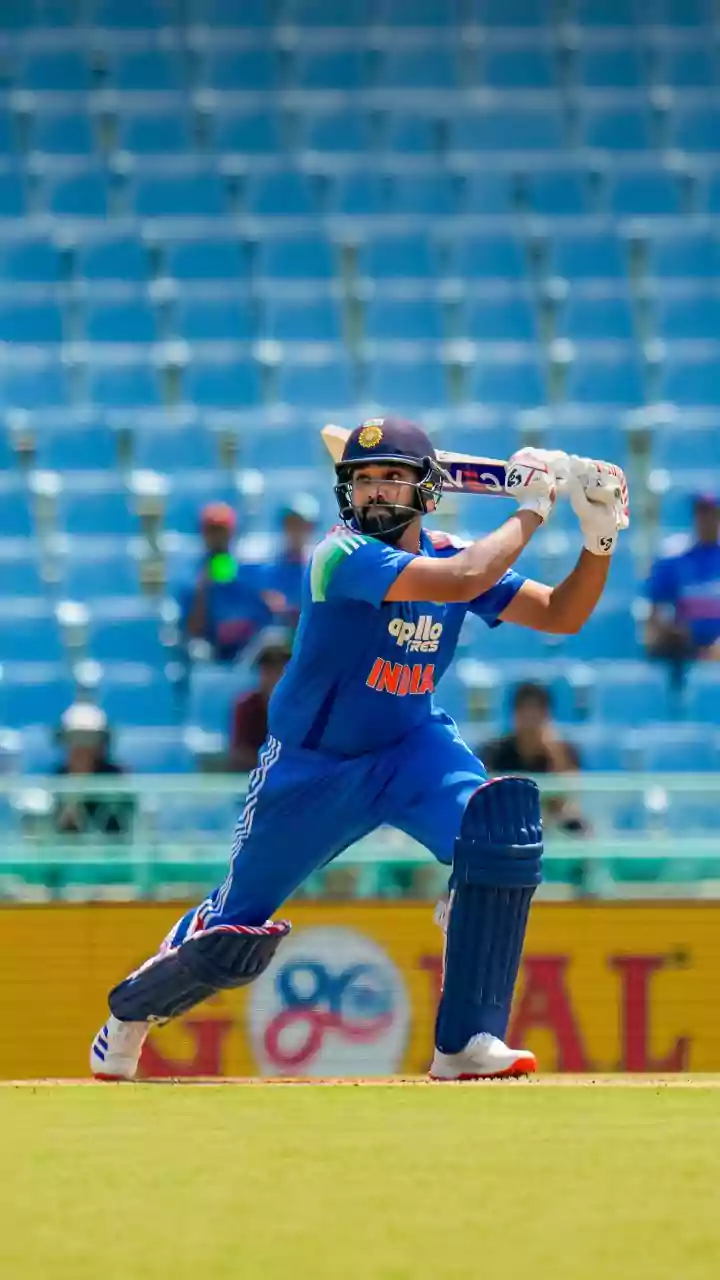
The entire debate is fueled by a classic sports dilemma: planning for the future versus rewarding present-day excellence. At 39, Rohit is in the twilight of his career, and questions about his longevity are natural as the next World Cup approaches in 2027. He has already retired from T20Is and Test cricket. However, his performance in the ODI format has remained strong. Reports had suggested that he was informed by a selector that the panel wished to move on, but he answered emphatically with a stunning 138 at Lord's against England. This innings, and Saikia's reference to it, has become the centerpiece of the argument that Rohit still has much to offer the team, not just with his bat but also with his experience.
What This Means for Indian Cricket
For now, the debate is settled. Rohit Sharma remains a key part of India's ODI plans. Saikia's statement provides immediate clarity and stability for new captain Shubman Gill, who will benefit from having a senior figure like Rohit in the dressing room. It allows the team to focus on its upcoming assignments without the distraction of leadership speculation. However, the long-term question of succession planning remains. While the BCCI has backed Rohit for the present, the transition to a new era is inevitable. His role may evolve, perhaps as a mentor-figure who plays in key tournaments, but the search for the next generation of reliable openers and leaders will continue to be a priority for the selectors behind the scenes.