




Why Damp Weather Is a Tick Paradise
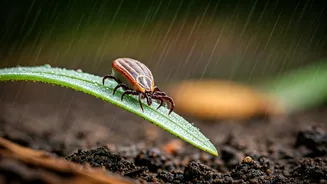
Ticks, the tiny arachnids that are the bane of every pet parent’s existence, don’t just magically appear with the rains. They thrive in specific conditions, and the Indian monsoon provides the perfect five-star resort for them. Ticks require high humidity
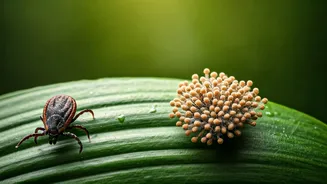
to survive and reproduce. The damp air prevents them from drying out, allowing them to live longer and actively seek hosts. The moist soil, overgrown grass, and damp corners of our homes and gardens become ideal nurseries for tick eggs to hatch. A single female tick can lay thousands of eggs, and the high humidity ensures a greater number of them survive to become adult ticks, all looking for a warm-blooded host like your dog or cat.
The Hidden Dangers of a Tick Bite
A tick bite is not just an itchy nuisance; it's a potential gateway for serious illnesses. In India, the most common and dangerous tick-borne disease is often referred to as 'tick fever,' which can be caused by several blood parasites, including Babesia, Ehrlichia, and Anaplasma. Symptoms can be frighteningly vague at first, starting with lethargy, loss of appetite, and fever. If left untreated, it can progress to severe anaemia, pale gums, jaundice, joint pain, and even neurological issues or organ failure. These diseases can be fatal, and even when treated, recovery can be long and difficult for your pet. The increased tick population during damp seasons directly correlates with a higher risk of your pet contracting one of these life-threatening infections.
Your First Line of Defence: Prevention
When it comes to ticks, prevention is infinitely better than cure. The most effective strategy is a multi-pronged approach. First, consult your veterinarian about monthly preventative treatments. These come in various forms, including spot-on liquids applied to the back of the neck, medicated collars that repel ticks, or oral tablets. Your vet can recommend the best and safest option based on your pet’s breed, age, and health. Secondly, make your home and its surroundings inhospitable for ticks. Keep your garden grass trimmed short, remove leaf litter and weeds, and allow sunlight to dry out damp areas. Inside, regularly wash your pet’s bedding in hot water and vacuum carpets and furniture, paying close attention to dark, hidden corners where ticks love to hide.
The Daily Tick Check
Make it a habit to check your pet for ticks every day, especially after they have been outside. Run your fingers slowly through their coat, feeling for any small bumps on the skin. Ticks prefer warm, hidden areas, so pay extra attention to their ears (inside and out), between their toes, in their armpits, around the neck and collar area, and near the tail. A thorough check can help you find and remove a tick before it has had the chance to transmit disease, which typically takes 24-48 hours of attachment.
How to Safely Remove a Tick
If you find a tick, it’s crucial to remove it correctly. Never try to burn it off, cover it with Vaseline, or yank it out with your fingers. These methods can cause the tick to regurgitate infected saliva into your pet’s bloodstream or leave the head embedded in the skin, leading to infection. Instead, use a pair of fine-tipped tweezers or a specialised tick removal tool. Grasp the tick as close to your pet’s skin as possible. Pull upward with steady, even pressure. Avoid twisting or jerking. Once removed, dispose of the tick by placing it in a sealed bag or flushing it down the toilet. Clean the bite area on your pet with rubbing alcohol or an antiseptic and wash your hands thoroughly.
When to Call the Vet
Even with the best preventative care, you should always monitor your pet for any signs of illness after a tick bite. If you notice any lethargy, fever, lack of appetite, unusual bruising, pale gums, or lameness in the weeks following a tick removal, contact your veterinarian immediately. These are red flags for tick-borne diseases, and early diagnosis and treatment are critical for a positive outcome. Always inform your vet that your pet was recently bitten by a tick, as this information can help them make a faster, more accurate diagnosis.