


Why Pollution is a Major Concern for Asthma
Air pollution, especially in many Indian cities, is a significant trigger for asthma. Pollutants like fine particulate matter (PM2.5), ozone, and nitrogen dioxide can irritate and inflame a child's airways, leading to more frequent and severe asthma attacks.
These tiny particles, found in smoke, haze, and vehicle exhaust, can penetrate deep into the lungs, worsening symptoms like coughing, wheezing, and shortness of breath. Studies have shown that rising pollution levels are directly linked to an increase in emergency room visits and hospitalisations for children with asthma, making protection a high priority for parents.
Can Masks Actually Filter Pollution?
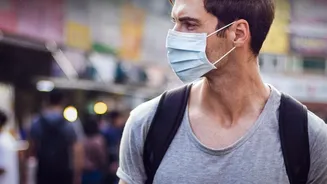
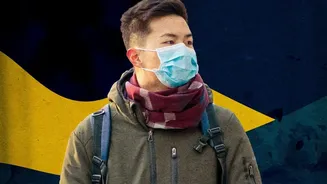
The short answer is yes, but the type of mask matters immensely. While basic cloth or surgical masks may offer minimal protection, they are not designed to block the fine particles that define air pollution. For meaningful protection against PM2.5, experts recommend a certified, well-fitting respirator like an N95, KN95, or FFP2 mask. These masks are designed to filter at least 95% of airborne particles down to 0.3 microns, which is effective against the fine particulate matter in smoke and smog. The most critical factor, however, is the fit. A high-quality mask with gaps around the nose and cheeks will offer far less protection, so choosing a child-specific size with a proper seal is non-negotiable.
The Core Worry: Masks and Breathing
The primary concern for many parents is whether a mask will impede their child's breathing. For children with mild or well-controlled asthma, major medical bodies agree that wearing a mask is safe. However, some children, particularly those with moderate to severe asthma, may find it more difficult or uncomfortable. Studies have noted that some people with asthma report feeling an increase in shortness of breath or coughing while wearing a mask. This sensation is often due to the resistance of breathing through a filter and the re-breathing of warm, humid air, rather than a dangerous drop in oxygen levels. It's crucial that if a child experiences significant difficulty breathing, coughing, or wheezing, the mask should be removed when they can be safely away from others.
Making the Right Choice: A Parent's Framework
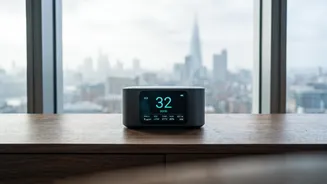
The decision to use a mask is not 'one size fits all'. It's a dynamic choice based on several factors. First, check the daily Air Quality Index (AQI). On 'good' or 'moderate' days, a mask may be unnecessary for outdoor play unless there's high pollen or virus circulation. On days with 'poor' or 'severe' air quality, a well-fitted N95 or equivalent is a valuable protective tool for any unavoidable outdoor time. Second, consider your child's asthma control. If their asthma is wellmanaged with controller medications, they are more likely to tolerate a mask well. If they are already symptomatic, adding a mask might be too challenging. Finally, think about the duration and type of activity. A short walk to the school bus is different from an hour of running in the park. For strenuous activity, it might be better to move it indoors on high pollution days.
Tips for Comfortable and Effective Masking
If you decide a mask is necessary, there are ways to make it more manageable. Involve your child in choosing a comfortable, certified mask they like. Ensure it's a child's size and check the fit by making sure it seals around the nose and mouth without gaps. Lightweight materials can also improve comfort. Practice wearing the mask for short periods at home to help them get used to the sensation. Plan for 'mask breaks' in a safe, clean air environment. Most importantly,' ensure their prescribed asthma medications are being used correctly to keep their airways as healthy as possible,' which is the foundation of their ability to tolerate any potential trigger,' including a mask.