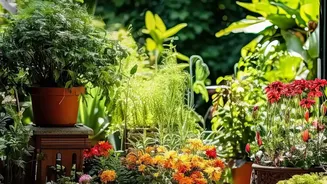






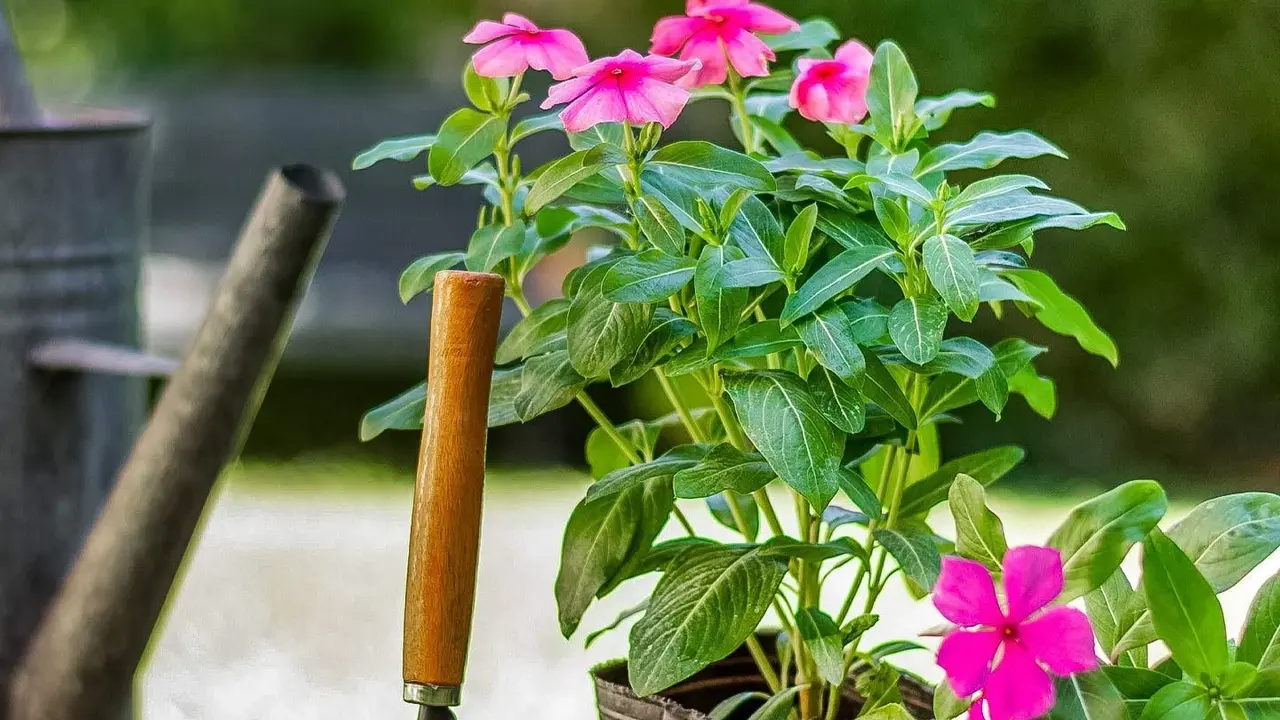

As the vibrant monsoon growth gives way to the cooler, calmer months across India, balcony gardeners face a common question: is it time to repot? Adjusting your plant care routine is key, and knowing when to pause repotting is crucial for health.
Understanding the Seasonal Slowdown
After
the burst of energy during the monsoon, most plants in India enter a period of slower growth or dormancy as winter approaches. This is a natural response to changing environmental cues. With shorter days, lower light intensity, and cooler temperatures, a plant's metabolism slows down. It focuses its energy on survival rather than producing new leaves and flowers. For gardeners, this means the frantic pace of summer and monsoon care needs to shift. Continuing to water and fertilise as you did in the peak growing season can do more harm than good, as the plant simply cannot use the excess resources. Recognising this seasonal shift is the first step toward effective winter balcony care.
The Risks of Repotting a Resting Plant
Repotting is a stressful event for any plant, as it involves disturbing the root system. During the active growing seasons of spring and monsoon, plants have the energy to recover quickly, sending out new roots to establish themselves in their new home. However, repotting a dormant or slow-growing plant in the cooler months is risky. With its metabolism slowed, a plant struggles to heal damaged roots and grow into the new soil. This can lead to prolonged transplant shock, where the plant wilts, drops leaves, and fails to thrive. Furthermore, a larger pot holds more soil and moisture, which a resting plant cannot absorb efficiently. This creates a cold, soggy environment perfect for root rot, one of the most common killers of potted plants.
Signs a Plant Genuinely Needs a New Pot
While holding off on repotting is the general rule for the slow season, some plants may be in urgent need of a new home. It’s important to distinguish signs of genuine distress from normal winter dormancy. A clear sign is a severely root-bound plant. If you see a dense web of roots circling the bottom of the pot or pushing out of the drainage holes, the plant has no room to grow. Another indicator is soil that dries out extremely quickly, often within a day of watering, because there is more root than soil to hold moisture. Similarly, if water runs straight through the pot without being absorbed, the soil may be compacted or entirely displaced by roots. Yellowing leaves and stunted growth can also signal that a plant has exhausted all nutrients in its current pot. In these emergency cases, repotting may be necessary even during the off-season.
How to Repot Safely in Cooler Months
If you must repot, take extra care to minimise stress. Choose a new pot that is only one or two inches larger in diameter. A pot that is too large will hold excess water and increase the risk of root rot. Water the plant a day before you plan to repot; this makes it easier to slide the root ball out of the old container. Gently loosen the roots, but avoid aggressive trimming unless you see clear signs of rot (black, mushy roots). Place the plant in the new pot with fresh, well-draining potting mix, ensuring it sits at the same depth as before. After repotting, place the plant in a spot with bright, indirect light, shielded from cold drafts or harsh sun. Crucially, do not fertilise for at least four to six weeks. The plant needs time to heal its roots, and fertiliser can burn the delicate new growth.
Alternatives to Full Repotting
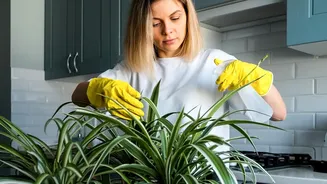
If your plant isn't showing emergency signs but you feel it needs a boost, there are less stressful alternatives to a full repot. One effective method is top_dressing. Gently scrape off the top one or two inches of old soil from the pot and replace it with a fresh layer of nutrient_rich compost or potting mix. This provides a slow release of nutrients without disturbing the main root ball. You can also aerate the soil by gently poking holes with a thin stick or chopstick. This improves oxygen flow to the roots and can help break up compacted soil, enhancing water absorption. These simple actions can refresh your plant and help it through the slower months until the main growing season returns in spring.