





From National Pride to a Commercial Frontier
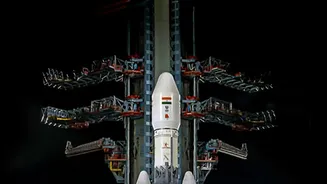
For decades, the Indian Space Research Organisation (ISRO) was the sole custodian of India's space dreams. But a monumental shift is underway. The Indian Space Policy of 2023 has thrown open the doors to the private sector, envisioning a future where
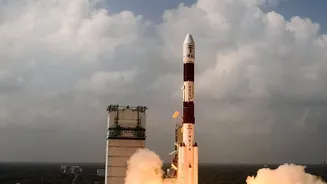
commercial enterprise drives growth. The government has set an ambitious target: to expand India's share of the global space economy from about $8 billion to over $40 billion by 2030. This policy pivot is designed to free up ISRO to focus on deep-space exploration and scientific research, while private companies build the industrial backbone for commercial space activities. The success of private launch companies like Skyroot Aerospace, which recently completed an orbital launch, proves the model is working. Now, that same energy is being channelled towards a much more distant and challenging destination: the Moon.
India's New Lunar Architects
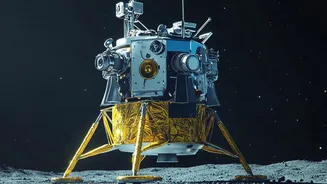
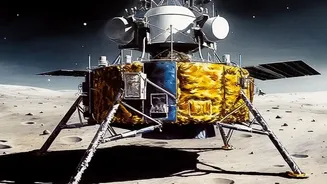
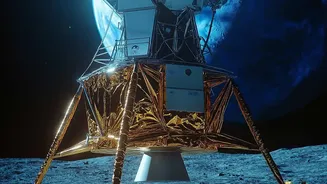
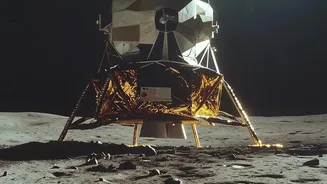
While over 400 startups now populate India's space ecosystem, a few are specifically focused on the complex challenge of lunar surface operations. A leading example is OrbitBeyond. While it's a US-based consortium with coveted certification from NASA to deliver payloads to the Moon, its core engineering and manufacturing is happening in India. OrbitBeyond India is setting up a major facility in Bhubaneswar, Odisha, to design and build lunar landers and rovers from the ground up. The company is drawing on the expertise of engineers who worked on ISRO's Chandrayaan missions. This move builds on the legacy of pioneers like TeamIndus, a Bengaluru-based group that competed for the Google Lunar XPrize. Though TeamIndus's mission did not launch, its ambition and engineering efforts, including a rover named 'Ek Choti Si Asha' (A Small Hope), ignited the spark for private lunar exploration in India.
The 'Payloads as a Service' Model
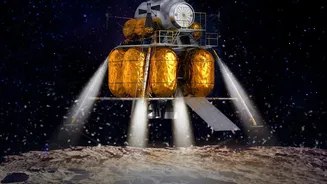
How do these startups plan to make money? The business model is essentially logistics and transportation for the lunar surface. Think of it as selling cargo space on a flight to the Moon, with the option of last-mile delivery. The primary customers are global space agencies, research institutions, and other commercial entities that need to get scientific instruments and technology demonstrations to the lunar surface without the massive expense of developing their own landers. NASA's Commercial Lunar Payload Services (CLPS) program is the blueprint for this new market. Under CLPS, NASA doesn't build the spacecraft; it simply buys a delivery service from a pre-approved list of commercial partners. By positioning themselves as reliable, low-cost providers, Indian startups aim to secure a piece of this multi-billion-dollar global logistics chain.
Building Rovers on a Budget
The key differentiator for India is cost. The 'low-cost' element of the headline is not about cutting corners but about leveraging India's unique strengths: a deep pool of skilled engineering talent, a robust domestic manufacturing ecosystem, and lower operational overheads. OrbitBeyond's decision to establish its base in Odisha, for instance, was a strategic one. The state offers a strong foundation in precision engineering, a developed metals industry, and supportive government policies, creating an ideal environment for advanced manufacturing. By designing and building in India, these companies can offer globally competitive pricing for their services, potentially democratizing access to the lunar surface and enabling more frequent scientific and commercial missions.
The Path to the Launchpad
The journey from a workshop in India to the surface of the Moon is fraught with challenges. Developing technology that can survive the vacuum of space, extreme temperatures, and a perilous landing requires immense technical expertise and significant financial backing. The recent failure of some international lunar missions serves as a stark reminder of the risks involved. However, the rapidly maturing Indian space ecosystem provides a crucial support system. The rise of domestic launch providers means that lunar startups may not have to rely solely on international rockets to get their hardware into space. With a clear policy framework, growing investor confidence, and a new generation of engineers eager to make their mark, these startups are methodically turning ambitious blueprints into flight-ready hardware.