


A UNESCO Treasure Awakens
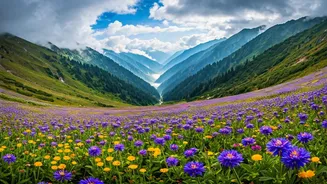
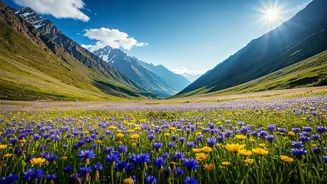
Nestled high in the Chamoli district of Uttarakhand, the Valley of Flowers is more than just a trek; it's a UNESCO World Heritage Site. Every year, as the winter snow melts, this glacial corridor bursts into life, transforming into a vibrant carpet of over
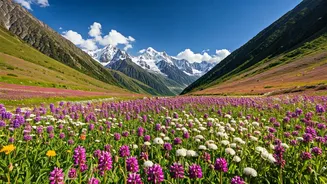
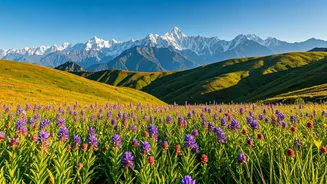
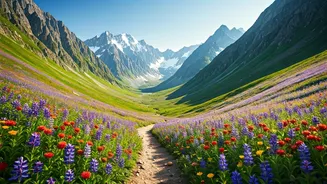
500 species of alpine flowers. The official opening on June 1st marks the start of a brief, magical window that lasts only until October. For nature lovers and adventure seekers, this is the most anticipated event on the Indian trekking calendar. The valley, part of the larger Nanda Devi Biosphere Reserve, offers a rare glimpse into a pristine high-altitude ecosystem, where breathtaking floral beauty is set against a backdrop of snow-capped peaks.
The Journey to the Valley
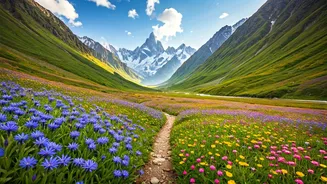
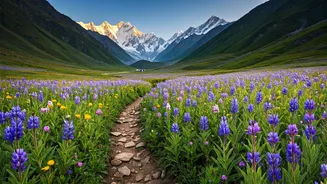
Reaching this paradise is an adventure in itself. The journey typically begins from Govindghat, accessible by road from major towns like Joshimath and Haridwar. From Govindghat, a scenic but challenging 14-kilometre trek along the Pushpawati River leads to the base camp, Ghangaria. This small settlement is the last point with accommodation and food services. After acclimatising overnight in Ghangaria, you embark on the final, gentler 3-kilometre trek to the entrance of the Valley of Flowers. The path is well-defined but requires a decent level of fitness. Remember, the journey is as much a part of the experience as the destination, with lush forests, gushing waterfalls, and panoramic mountain views accompanying you all the way.
What to Expect Inside
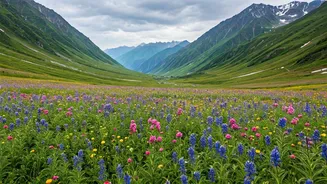
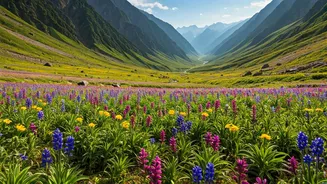
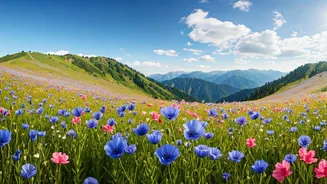
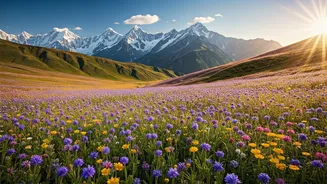
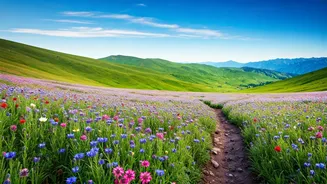
Upon entering the valley, you'll be greeted by an explosion of colour. The landscape is a rolling meadow stretching for kilometres, blanketed with flowers of every hue. Look out for famous species like the elusive Brahmakamal (the state flower of Uttarakhand), the vibrant blue poppy, cobra lilies, and countless varieties of orchids, primulas, and daisies. The peak blooming season is from mid-July to mid-August, when the floral display is at its most dense and dramatic. The air is crisp, clean, and filled with the subtle fragrance of wildflowers. The valley is a plastic-free zone, and visitors are expected to carry out all their waste. It’s a place of profound tranquillity, where the only sounds are the buzzing of bees, the chirping of birds, and the gentle flow of the river.
Essential Planning Tips
A trip to the Valley of Flowers requires careful planning. First, you'll need a permit from the Uttarakhand Forest Department, which can be obtained at the entry gate in Ghangaria. Accommodation in Ghangaria is basic, consisting of guesthouses and a Gurudwara, so it's wise to book in advance, especially during peak season. Packing is crucial: waterproof trekking shoes are non-negotiable, as rain is frequent. Carry multiple layers of clothing, a robust raincoat or poncho, a first-aid kit, sunscreen, and a hat. Acclimatisation is key to avoiding altitude sickness; spend a night in Joshimath or Ghangaria before ascending further. While ponies are available up to Ghangaria, the final trek into the valley must be done on foot. Hiring a local guide is recommended, as they can help identify flora and fauna and ensure you stay on the marked trails.