





The End of the Off-Season As We Knew It
The long-held travel wisdom in India was simple: avoid the monsoon. For decades, the rainy season from June to September was a commercial dead zone for the tourism industry. That calendar is now being completely rewritten. Hotels and travel platforms
are reporting a massive surge in monsoon travel, effectively erasing the concept of an 'off-season'. According to recent industry reports, hotel bookings have skyrocketed, with some sources citing a year-on-year increase of over 50%. Destinations that were once deserted are now buzzing with activity. For instance, Radisson Hotel Group noted its July bookings were pacing nearly 10% ahead of the previous year. This isn't a fluke; it's a structural shift. The monsoon is no longer a season to be avoided but a deliberate travel choice for a growing number of Indians.
What's Driving the Monsoon Rush?
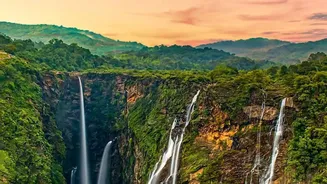
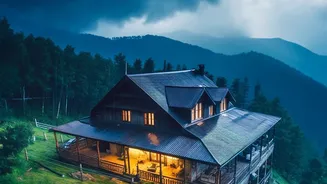
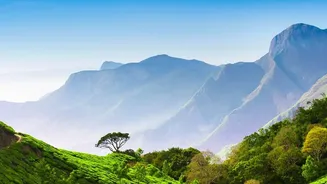
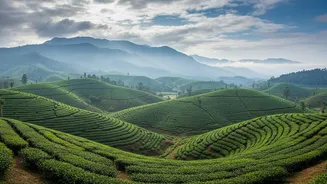
Several factors are fuelling this trend. A primary driver is a fundamental change in travel habits. Instead of one or two long annual holidays, many Indians now prefer shorter, more frequent breaks, or 'mini-cations'. This is coupled with the desire for experience-led travel, where the unique atmosphere of the monsoon—lush green landscapes, misty hills, and dramatic skies—is the main attraction. Social media also plays a huge role. 'Instagrammable' images of rain-washed forts in Rajasthan or verdant tea plantations in Munnar inspire wanderlust, showcasing a beauty that sunshine can't replicate. Furthermore, the hospitality industry itself has stopped treating the monsoon as a lull. Hotels and travel companies now actively market the season with curated packages, wellness retreats, and attractive promotions, turning the rain into a reason to travel, not a reason to cancel.
The New Monsoon Hotspots
While traditional monsoon favourites like Kerala and Goa remain popular, the boom is widespread. Goa has seen hotel bookings increase by over 110% as travellers discover its tranquil, green side. In Kerala, destinations like Wayanad and Alleppey have seen staggering growth of over 160% and 145% respectively. But the trend extends far beyond the coasts. Hill stations are major beneficiaries, with places like Mussoorie, Ooty, and Kodaikanal reporting booking increases of 70% or more. The Northeast has emerged as a standout performer, with Nagaland and Arunachal Pradesh recording a 62% year-on-year rise in flight bookings. Even Rajasthan, typically a winter destination, is drawing crowds to see its lakes and palaces transformed by the rains.
The Death of the Last-Minute Deal
This surge in popularity has one major consequence for travellers: the end of spontaneous, cheap monsoon getaways. The romantic idea of waking up on a Saturday and driving to a nearby hill station for a bargain stay is rapidly becoming a myth. With demand soaring, travel platforms report that the booking window has stretched significantly. Travellers are now advised to book four to six weeks in advance to secure accommodation in popular spots. While prices may still be lower than the peak winter or summer seasons, the deep discounts of yesteryear are disappearing. Hotels in destinations like Goa are now maintaining 'resilient' pricing throughout the monsoon due to sustained demand.
How to Plan Your Modern Monsoon Trip
Navigating this new travel landscape requires a shift in mindset. First and foremost, book early. The best properties in prime locations get snapped up well in advance. Second, be flexible. The monsoon weather is inherently unpredictable, so build buffer days into your itinerary for potential travel delays due to heavy rain or landslides. Opt for flexible or refundable booking options where possible. Finally, embrace the experience. The appeal of monsoon travel is its immersive quality. Don't just book a hotel; look for stays that offer unique indoor activities, regional cuisine, or wellness packages that complement the weather. The goal is to enjoy the destination not in spite of the rain, but because of it.