





Embrace the ‘Slow Travel’ Mindset
The single biggest shift you can make is to adopt a ‘slow travel’ mindset. This approach encourages a deeper, more mindful connection with your destination by favouring quality of experience over quantity of sights seen. Instead of rushing through five
cities in ten days, choose one or two and allow yourself to settle in. This doesn't mean you have to miss the big attractions, but it reframes them as part of a larger, more relaxed exploration. Trade a frantic, multi-stop itinerary for the luxury of time. Renting an apartment in a local neighborhood, for instance, allows for simple daily rituals like visiting the same coffee shop or market. This slower pace avoids the burnout of constant travel and opens up space for spontaneous discoveries, which often become the most cherished memories.
Eat Like You Live There
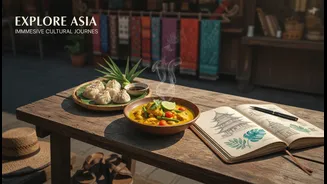
Food is one of the most accessible gateways to a culture. While it’s easy to find tourist-friendly restaurants, the real culinary magic often happens on the street or in small, family-run eateries. A great strategy is to join a food tour on one of your first days. A local guide can demystify the cuisine, show you how to order, and lead you to hidden gems you’d never find on your own. Another fantastic way to connect is through a cooking class, which often includes a trip to a local market to source ingredients. This not only teaches you how to recreate dishes back home but offers a profound insight into the local ingredients and flavours that define a region's palate. Don’t be afraid to pull up a tiny plastic stool at a bustling street stall; it’s often where you’ll find the most authentic and delicious meals.
Connect with Local People
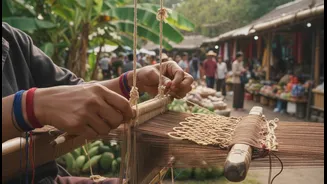
Genuine connection turns a trip into a transformative experience. Instead of just observing, seek opportunities to interact. Homestays or locally-owned guesthouses provide a wonderful alternative to chain hotels, offering invaluable insights into daily life. Community-based tourism initiatives are becoming more popular across Asia, allowing travellers to engage with local communities in a way that is respectful and economically beneficial for them. This could involve staying in a village, assisting with daily activities like farming or cooking, and learning traditional crafts like weaving or pottery directly from artisans. Even small efforts, like learning a few basic phrases in the local language, can break down barriers and show respect, often leading to warmer interactions and unexpected friendships.
Integrate, Don’t Segregate, Your Itinerary
Balancing iconic attractions with local culture isn’t an either/or proposition. The key is to integrate them. Plan to visit a major temple or landmark in the morning, then dedicate the afternoon to exploring the surrounding neighborhood on foot with no set agenda. Allow yourself to get purposefully lost. Wander down alleyways, pop into local shops, and see where the day takes you. Some of the best lesser-known destinations are found just a few streets away from major tourist hubs. You could also structure your days thematically. For example, after visiting a historical site, find a nearby museum or gallery that provides deeper context, followed by a meal at a restaurant known for its traditional, historic recipes. This turns a simple sightseeing day into a cohesive cultural immersion.
Seek Out Local Events and Festivals
Timing your trip to coincide with a local festival can offer an unparalleled window into a culture. From the vibrant colours of Holi in India to the nationwide water fights of Songkran in Thailand, festivals are a dynamic expression of a place's history and values. These events bring communities together and offer travellers a chance to participate in celebrations that are deeply meaningful to locals. Beyond the major national festivals, look for smaller, regional celebrations, market days, or religious ceremonies. These events provide an authentic, unfiltered glimpse into the rhythm of local life. Checking local event listings or simply asking your guesthouse owner can lead you to experiences far removed from the typical tourist trail, creating memories of participation rather than just observation.