



The Science Behind the Magic
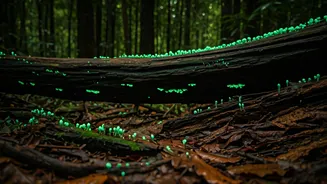
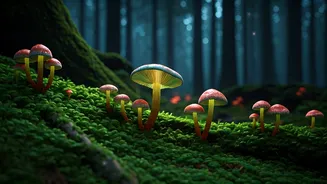
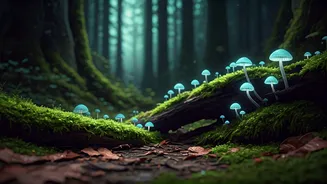
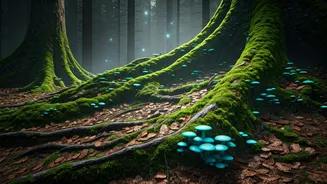
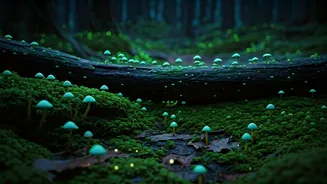
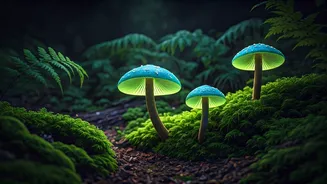
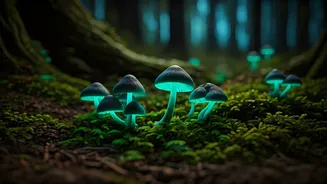
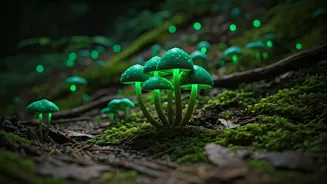
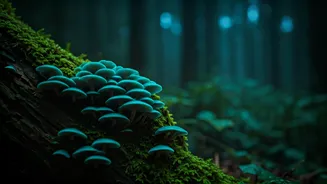
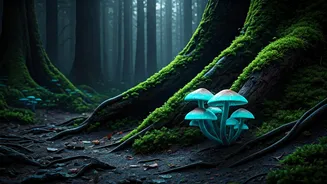
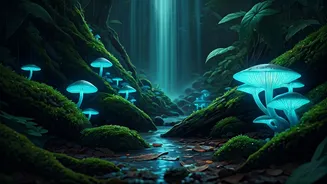
This enchanting glow comes from bioluminescent fungi, often from the *Mycena* genus. The light is a byproduct of a chemical reaction involving a compound called luciferin and an enzyme, luciferase. When these two interact with oxygen, they produce a 'cold
light'—light without generating heat. Scientists believe this glow serves a fascinating purpose: attracting insects at night. These insects then help disperse the fungi's spores, allowing them to reproduce and spread throughout the forest. So, while the sight is purely magical for us, for the fungus, it's a clever survival strategy. The glow is most prominent in complete darkness, creating a carpet of tiny, living lanterns across the forest floor.
Where to Find India's Glowing Forests
This phenomenon is most famously observed in the dense, humid forests of the Western Ghats during the monsoon. Maharashtra is a prime hotspot, with treks offered in the Bhimashankar Wildlife Sanctuary, near Lonavala, and in the forests of the Sahyadri range. Goa’s hinterlands, particularly in the Mhadei Wildlife Sanctuary, also come alive with these glowing fungi. Further south, parts of Karnataka and Kerala have reported sightings. Beyond the Ghats, the lush forests of Meghalaya in Northeast India offer another opportunity to witness this spectacle. Local eco-tourism groups and trekking operators in these regions often organise guided night walks specifically to see the bioluminescent mushrooms.
The Best Time for a Night Trek
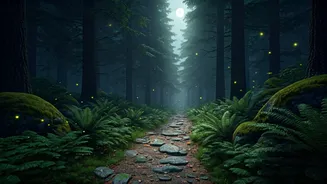
Timing is everything. The fungi thrive in damp, humid conditions, making the monsoon season—from late June to early October—the absolute best time to plan your visit. The glow is often most intense a day or two after a good spell of rain, when the decaying wood and leaf litter on the forest floor are thoroughly soaked. For the best viewing experience, plan your trek on a dark, moonless night. A bright moon can easily wash out the delicate glow of the fungi. It's also essential to let your eyes adjust to the darkness for at least 10–15 minutes to perceive the full extent of the bioluminescence. Patience is key to unlocking this hidden world.
Your Eco-Trek Checklist
Preparing for a night trek in a rainy forest requires some planning. First, go with a certified guide or a reputable trekking group. They know the safe trails and the exact spots where the fungi are found. Wear sturdy, waterproof trekking shoes with good grip, as trails can be slippery and muddy. A lightweight raincoat or poncho is essential. Carry a torch, but use it sparingly. A torch with a red light filter is ideal, as it's less harsh and helps preserve your night vision. Pack insect repellent, a basic first-aid kit, and some water. Dress in long sleeves and trousers to protect against scratches and insect bites.
Walk Softly and Respect the Forest
These glowing forests are fragile ecosystems. The 'eco' in eco-trek is a reminder to be a responsible visitor. Stick to the designated trails to avoid trampling the delicate mycelium network under the soil. Never touch, pick, or disturb the fungi. The glow is for seeing, not taking. Maintain silence to avoid disturbing nocturnal wildlife and to fully immerse yourself in the sounds of the forest. And, of course, follow the golden rule of nature travel: leave no trace. Carry all your litter back with you and leave the forest exactly as you found it, ensuring this magical experience remains for others to enjoy.