


Raghurajpur: A Village of Painters
Just 14 kilometres from the coastal town of Puri lies Raghurajpur, India's first designated heritage crafts village. A stroll through its two main streets feels like walking through a living gallery. Nearly every home is an artist's studio, its walls
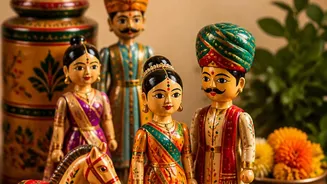
adorned with colourful murals depicting mythological scenes. This village is the epicentre of Pattachitra, an ancient art form where intricate narratives from Hindu mythology are painted on treated cloth scrolls using natural pigments. Artisans also practice palm leaf engraving (Tala Pattachitra), stone carving, and the creation of wooden toys and masks. Visiting Raghurajpur offers a rare opportunity to watch master craftsmen at work, learn about their process, and purchase authentic art directly from the source, thereby supporting the community that keeps these traditions alive.
Pipili: The Capital of Appliqué
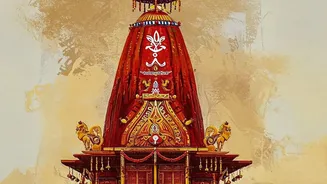
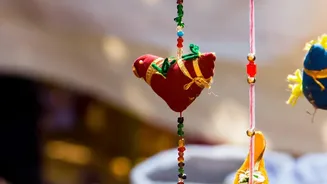
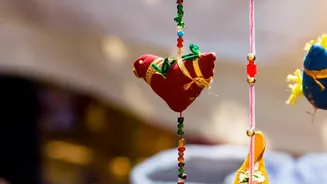
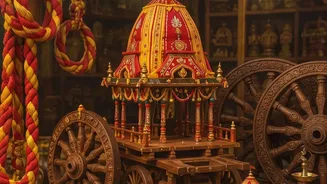
Located on the main highway between Bhubaneswar and Puri, the town of Pipili is a dazzling explosion of colour. It is the home of Appliqué work, known locally as 'Chandua'. This craft involves stitching precisely cut pieces of coloured cloth onto a base fabric to create vibrant, layered designs of animals, flowers, and deities. Historically, this art form was intrinsically linked to the Jagannath Temple in Puri, with artisans creating canopies, umbrellas, and banners for the annual Rath Yatra festival. Today, the main street of Pipili is lined with shops selling everything from giant ceremonial umbrellas and garden lanterns to handbags, cushion covers, and wall hangings, making it a convenient and unmissable stop for unique, handcrafted souvenirs.
Cuttack: The Home of Silver Filigree
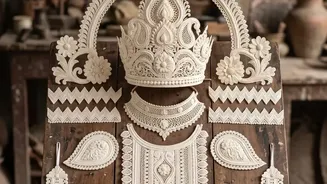
For over 500 years, the city of Cuttack, also known as the 'Silver City', has been the heart of Tarakasi, or silver filigree work. This delicate and highly skilled craft involves drawing silver into fine threads and wires, which are then shaped into exquisite, lace-like designs. The artisans of Cuttack create a stunning range of products, from intricate jewellery worn by Odissi dancers to decorative items and religious artefacts. The craft is particularly prominent during the city's famous Durga Puja, where magnificent silver backdrops, known as Chandi Medha, adorn the idols. A visit to Cuttack offers a chance to acquire a piece of this GI-tagged art form, celebrated for its intricate beauty and timeless elegance.
Weaving Wonders: Ikat and Handloom Hubs
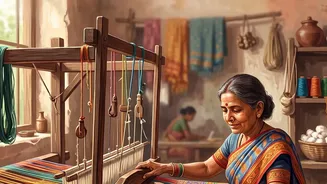
Odisha's textile heritage is globally renowned, especially for its unique Ikat weaving, locally called Bandha. In this resist-dyeing technique, the warp or weft threads (or both) are tied and dyed before weaving to create soft, feathered patterns on the loom. Key weaving clusters are found in the western parts of the state, particularly in the Sambalpur, Bargarh, and Sonepur districts, which are famous for the Sambalpuri Ikat sarees. Villages like Kardola have become open-air art galleries, with weavers' homes painted in traditional Ikat motifs. Near Cuttack, the villages of Nuapatna and Maniabandha are also major centres for Ikat weaving, including the sacred Gitagovinda Khandua, a textile with verses from the Gita Govinda woven into it for use at the Jagannath Temple.
Ekamra Haat: All of Odisha Under One Roof
For travellers short on time or seeking a consolidated shopping experience, Ekamra Haat in the capital city of Bhubaneswar is the perfect destination. This sprawling five-acre open-air marketplace is designed to resemble a traditional Odia village, complete with thatched-roof stalls. It serves as a permanent exhibition and sales hub for artisans from across the state, allowing them to sell their goods directly to consumers. Here, you can find a curated collection of Odisha's finest handicrafts, including Pattachitra paintings, Pipili appliqué, Dhokra metal casting, Sambalpuri sarees, and stone carvings, all in one place. The complex also features a food court serving authentic Odia cuisine, making it a complete cultural experience.