

More Than Just a Dessert
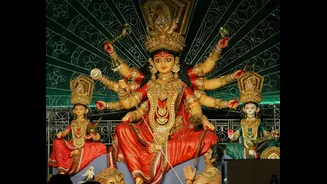
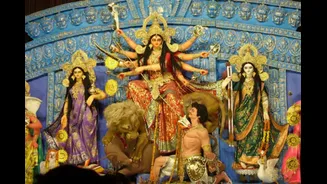
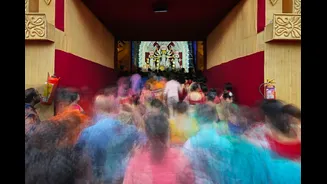
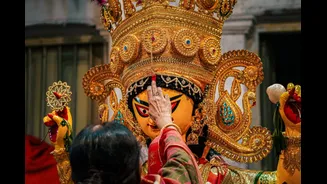
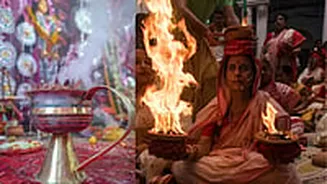
During Durga Puja, sweets are not merely a culinary indulgence; they are an integral part of the worship and culture. This deep connection between food and spirituality is most evident in the offering of 'bhog'—food presented to the Goddess Durga as a symbol
of devotion and gratitude before being distributed to devotees. Sweets hold a sacred place in this ritual, believed to be a way to please the deity and seek her blessings. Offerings of 'rosogolla' and 'chhena payesh' are considered pure and 'sattvik', making them ideal for religious ceremonies. This act of offering and sharing 'prasad' fosters a profound sense of community, connecting everyone in the shared sweetness of the festival.
An Iconic Cast of Characters
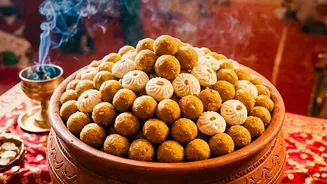
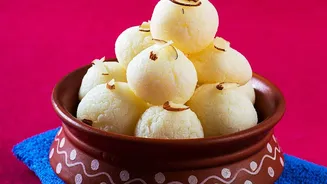
The variety of sweets that take prominence during Puja is staggering, each with its own story and texture. The undisputed king is the 'Sandesh', a delicate sweet made from fresh 'chhena' (cottage cheese) that can be sculpted into various shapes. Then there's the globally renowned 'Rosogolla', soft, spongy cheese balls soaked in a light sugar syrup. 'Mishti Doi', or sweet yogurt, offers a creamy, caramelized counterpoint, often served in earthen pots that enhance its flavour. Many households also prepare traditional sweets like 'Narkel Naru', which are sweet coconut balls made with either sugar or jaggery. These homemade delights bring families together in the kitchen, passing down recipes and rituals through generations.
A Language of Celebration
The role of sweets extends beyond religious offerings. A box of 'mishti' is the quintessential gift when visiting friends and family, a gesture of warmth and festive cheer. The crescendo of the festival, 'Bijoya Dashami', which marks the victory of good over evil, is incomplete without sweets. After the idols are immersed, the period of 'Bijoya' begins, lasting until Diwali. During this time, Bengalis visit each other's homes, exchanging 'Shubho Bijoya' (Happy Victory) greetings. The custom dictates that no guest can leave without 'mishti-mukh'—having their mouth sweetened. This tradition ensures that every household is well-stocked with treats, ready to welcome a stream of visitors.
Tradition Meets Modernity
While age-old recipes for sweets like 'Pantuwa' and 'Labanga Latika' remain cherished, the tradition is not static. Today’s sweet shops and home cooks are innovating with fusion flavours, introducing contemporary twists like chocolate Sandesh or mango-flavoured Pantuwa, which are gaining popularity among the younger generation. At the same time, there is a renewed interest in preserving lesser-known sweets like 'Ananda Naru', a fried sweet made from coconut, jaggery, and rice flour. This balance of honouring centuries-old traditions while embracing new tastes ensures that the culture of Bengali sweets continues to thrive and evolve, remaining as vibrant and relevant as the festival itself.