


The Soul of the Recipe
At its core, the anxiety over modernising Indian food is a fear of loss. For generations, the authenticity of a dish wasn't just in its taste, but in its story and its deep connection to a specific region. Whether it's the mustard oil tang of Bengali
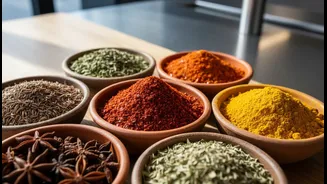
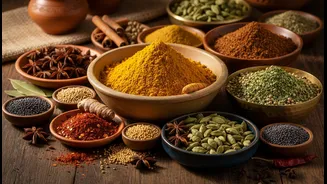
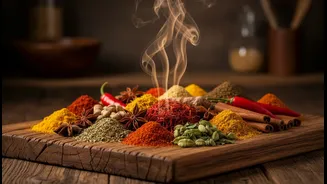
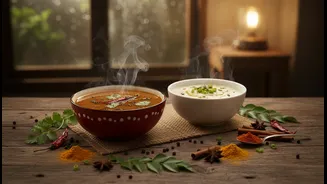
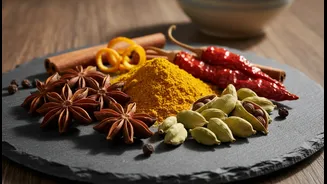
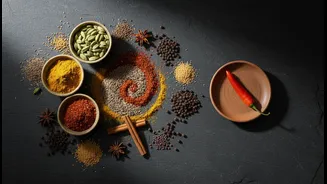
cooking, the coconut-based curries of Kerala, or the dairy-rich gravies of the North, these flavour profiles are culinary heirlooms. A recipe is considered 'grounded' when it respects these non-negotiable elements—the precise blend of spices, the specific cooking fats, and the traditional techniques that give a dish its identity. It’s the difference between a dal that tastes generically 'Indian' and one that tastes specifically of a Punjabi home. Protecting this soul doesn’t mean the dish can never change its clothes, but it does mean the heart must remain the same. The real fear is not innovation, but dilution—the worry that in chasing a trend, the dish might lose the very thing that made it special.
Art on a Plate, Not Emptiness
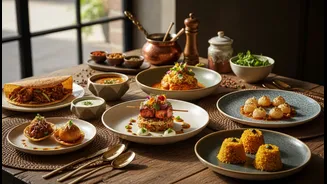
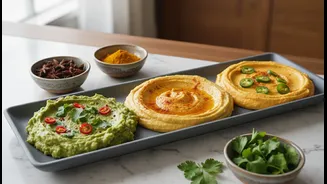
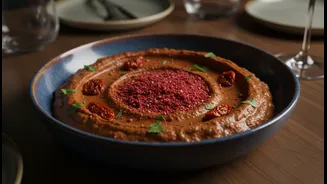
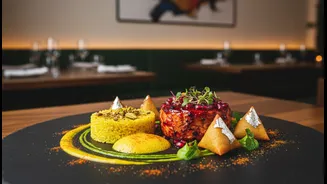
The term 'modern plating' often conjures images of tiny portions on vast plates, with delicate smears and architectural arrangements. And while visual artistry is a key component, its role in modern Indian cuisine is more than just for show. Thoughtful presentation aims to elevate, not erase. Techniques like using tweezers for precise placement of garnishes, creating textural contrasts with foams or crisps, or using molds for shape are all tools to make the diner see a familiar dish in a new light. It’s about highlighting the quality of an ingredient or creating an interactive experience, like pouring a sauce tableside. In a visually driven world, this presentation is crucial; it tells a story and makes a dish memorable long after the last bite. Rather than being a betrayal of tradition, it can be a confident declaration that these flavours deserve to be presented with the same reverence as any other global fine-dining cuisine.
Pioneers of the New Old
A new generation of Indian chefs has become masterful at navigating this balance, proving that tradition and innovation are not enemies. Chef Manish Mehrotra of Indian Accent fame, for example, built his reputation on 'reinterpreting nostalgia'. His philosophy isn't about inventing new things, but about exploring the vast, existing repertoire of Indian food and presenting it with modern technique and flair. His approach shows that you can serve a familiar flavour in an unexpected form, creating a dish that is both surprising and comforting. Other chefs like Gaggan Anand, known for his 'progressive Indian cuisine', use avant-garde techniques to create an emotional, sensory journey rooted in the flavours he grew up with. These chefs are not changing the core memories associated with a dish; they are simply creating new ones, proving that Indian food can evolve without losing its soul.
More Than a Fine-Dining Trend
While the conversation is often led by high-end restaurants, this evolution is happening everywhere. Social media has become a powerful catalyst, allowing home cooks and small-town eateries to share their own creative presentations and regional specialties with a global audience. The renewed interest in hyper-local ingredients, forgotten grains like millets, and seasonal preparations is a grassroots movement that celebrates authenticity in a different way. Diners are increasingly curious about the story behind their food, seeking context and meaning. This has encouraged a deeper appreciation for India's vast culinary diversity, moving beyond restaurant staples to explore the everyday food of community kitchens. It shows that respecting a recipe's roots and presenting it with pride is a principle that applies as much to a humble thali as it does to a 12-course tasting menu.