



Beyond the Digital Storefront
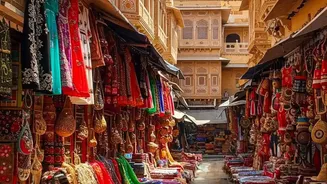
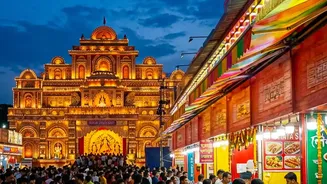
In an era dominated by algorithms and one-click purchases, a different kind of commerce is thriving. Events like the Pushkar Fair, Sambhar Festival, and various 'Dastkari Haats' are turning the tide back toward human connection. These multi-day festivals
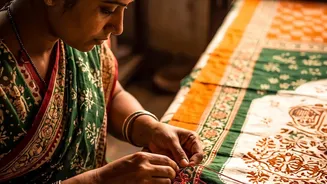
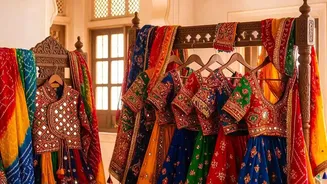
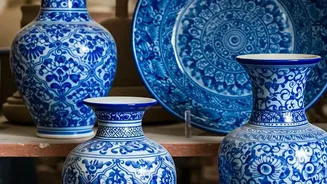
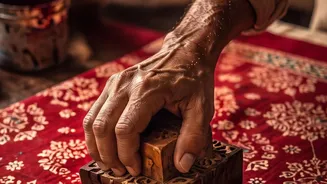
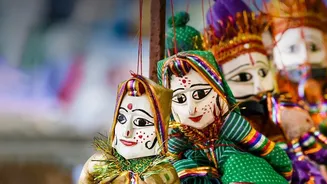
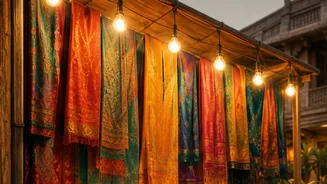
are not just markets; they are vibrant, sprawling celebrations of heritage where artisans from remote villages across Rajasthan and beyond gather to showcase their work. Visitors can explore everything from the famous blue pottery of Jodhpur and miniature paintings of Udaipur to intricate embroidery and hand-woven textiles from Barmer. Unlike the flattened images in an online catalogue, here you can feel the texture of a hand-blocked quilt, see the true lustre of a piece of jewellery, and witness live demonstrations of crafts passed down through generations.
The Artisan's Story
For the makers, these events are transformational. In the traditional retail model, and even in many online marketplaces, artisans are often invisible, with middlemen taking a significant cut of the profit. Fairs and craft bazaars provide a platform for direct sales, enabling artisans to earn a fairer price for their meticulous labour. This direct interaction is about more than just better financial returns; it is about dignity and recognition. Artisans can share the story behind their craft, explaining the cultural significance of a motif or the painstaking process of creating a natural dye. They receive immediate feedback from customers, helping them understand market trends and consumer preferences directly, which is invaluable for their creative and business growth. This connection fosters a sense of pride and helps ensure that ancient skills are not just preserved but are also seen as a viable livelihood.
An Education for the Buyer
For a buyer, the experience is elevated from a simple transaction to a journey of discovery. Picking up a handcrafted item at a fair is to hold a piece of history and culture. You learn that a Pichwai painting depicts scenes from Lord Krishna's life or that a 'Manchaha' rug is woven from the weaver's own imagination without a pre-set pattern. This context is something that a product description box online rarely captures. The opportunity to meet the person who made your purchase creates a lasting bond and a deeper appreciation for the object. It turns a simple souvenir into a cherished story. This 'sensory experience', as researchers have called it, where you engage with the product's backstory and creator, makes the purchase feel more valuable and authentic.
Bridging the Authenticity Gap
Online shopping offers undeniable convenience, but it comes with limitations. The colours on screen may not match reality, the texture of a fabric remains a mystery, and the scale of an item can be misleading. More importantly, it strips away the soul of the product. Handcrafted goods are defined by their tiny, unique imperfections, a testament to the human hand that made them. These nuances are lost in pixel-perfect digital images. Events that connect makers and buyers directly address this 'authenticity gap'. They offer transparency, allowing you to see the quality of the materials and the skill of the craftsmanship firsthand. This direct engagement helps build trust and confidence in the product's value, which is often a gamble online.
A Movement of Mindful Consumption
Ultimately, choosing to visit an artisan fair is about more than just shopping. It is a conscious decision to support a more sustainable and equitable economic model. It is an investment in preserving cultural heritage and supporting local communities directly. These events help keep traditional skills alive by creating a viable market for them, ensuring they are passed on to the next generation. By participating, buyers become patrons of the arts, contributing to a system where craftsmanship is valued over mass production and where human stories are the most valuable commodity. It is a powerful reminder that behind every beautiful object, there is a skilled creator with a story worth hearing.