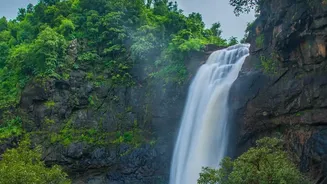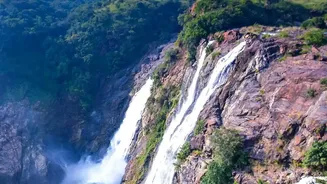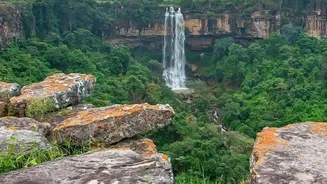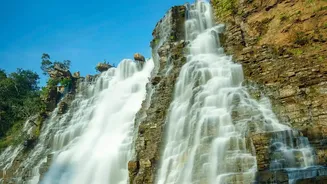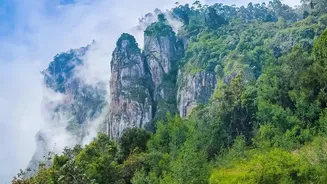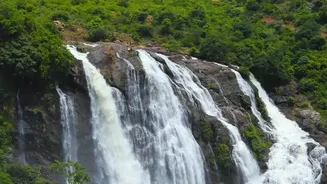

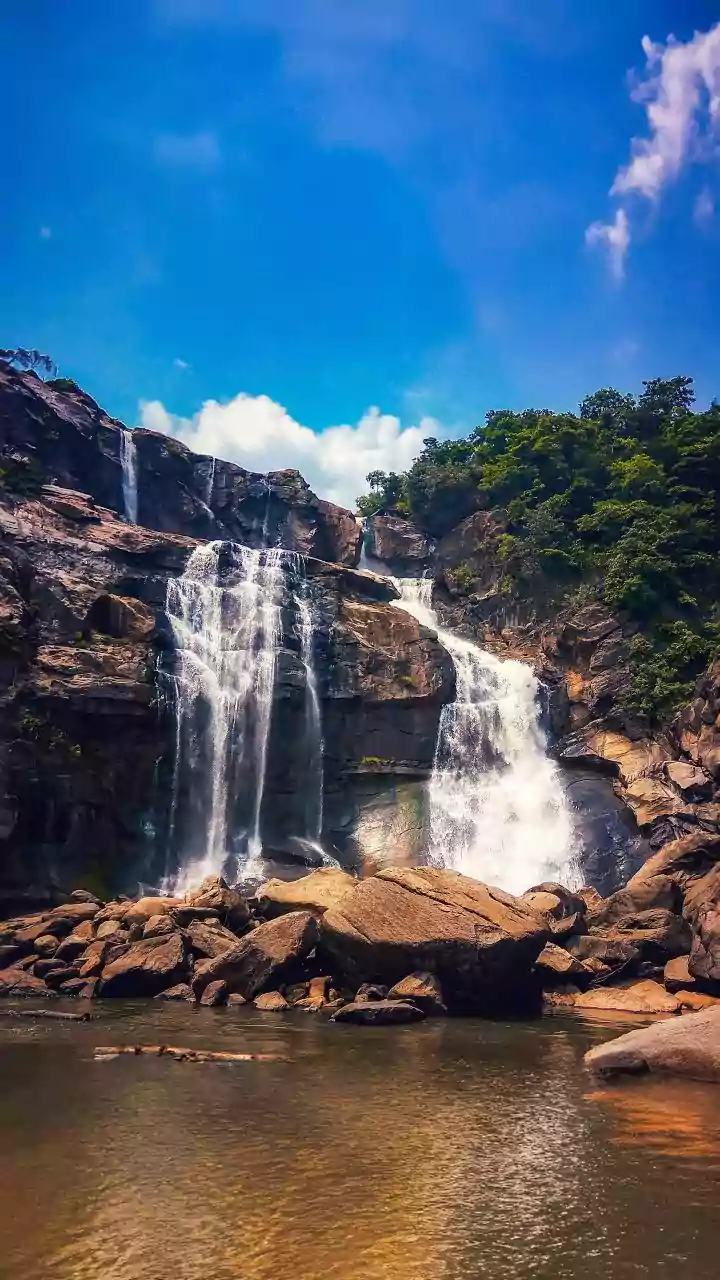
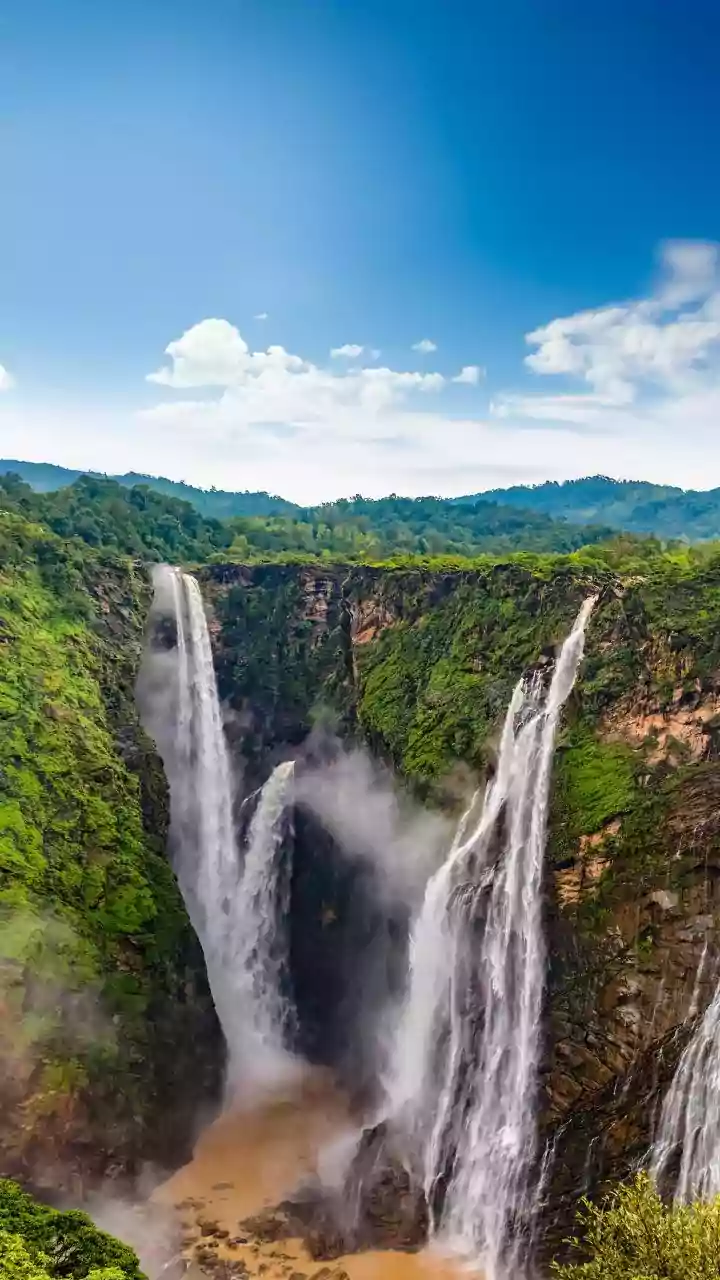


The post-monsoon season transforms Karnataka into a lush paradise, with its waterfalls roaring back to life. But this majestic beauty comes with a warning: water levels can be dangerously unpredictable. Here’s what you need to know to stay safe.
The Post-Monsoon Appeal and Its Risks
From October
to December, the landscape surrounding Karnataka's waterfalls is at its most vibrant. The heavy monsoon rains have recharged the rivers, meaning falls like Jog, Shivanasamudra, and Abbey are at their most spectacular. The weather is clearer than during the peak monsoon, offering the perfect blend of pleasant climate and powerful cascades. However, this is also a period of significant risk. The ground is often saturated, and sudden releases from upstream dams or unexpected rainfall in catchment areas can cause water levels to rise dramatically and without warning, leading to flash floods. The currents are deceptively strong, and what appears to be a gentle stream can quickly become a dangerous torrent.
How to Check Water Levels and Official Advisories
Before you even pack your bags, the most critical step is to check the current conditions. Local authorities and the Karnataka Forest Department often issue advisories, especially during and after the monsoon when risks are high. In previous years, authorities have temporarily banned entry to certain waterfalls due to safety concerns following heavy rainfall. Start by checking the official websites of the Karnataka Forest Department and the tourism board for the specific district you plan to visit. It's also wise to search for recent local news reports about your destination, as they often provide real-time updates on access and safety. For the most current information, consider calling hotels or local administrative offices in the area for on-the-ground updates before you travel.
Understanding Flash Floods and Water Currents
A calm, shallow pool at the base of a waterfall can be inviting, but it's also where the greatest danger lies. Water levels can surge unexpectedly due to rain in distant, unseen areas that feed the river. This phenomenon, known as a flash flood, gives you very little time to react. The churning water at the base of a fall, called a hydraulic, can trap even strong swimmers underwater. It is crucial to never enter the water near the top of a waterfall or jump into plunge pools, as submerged rocks and logs pose a serious hazard. Always respect warning signs and barriers; they are placed there based on expert assessment of the risks.
Key Waterfalls and What to Expect
Some of Karnataka's most famous waterfalls require special attention post-monsoon. Jog Falls: As one of India's tallest waterfalls, its flow is directly related to the release of water from the Linganamakki dam. The view can be breathtaking post-monsoon, but water force is immense. Stay within designated viewing areas. Shivanasamudra Falls: This powerful twin waterfall (Gaganachukki and Barachukki) on the Cauvery river carries a massive volume of water after the rains. Coracle rides may be suspended if the current is too strong, and swimming is extremely dangerous. Abbey Falls: Located near Madikeri in Coorg, this waterfall is set amidst private plantations. The path can be very slippery, and visitors are advised to stay on the hanging bridge for the best and safest view, especially when water flow is high. Iruppu Falls: Originating in the Brahmagiri Range, this waterfall flows as the Lakshmana Theertha river. Access can be restricted during periods of heavy flow, and the rocks are notoriously slick.
Your Essential Safety Checklist
When you do visit, keep this checklist in mind to ensure a safe and enjoyable trip:
Heed All Warnings... (Note per instructions content must be exact provided text) ...Avoid Risky Selfies... (Wait - instruction says DO NOT add HTML tags within text content). Let me reformat strictly following 'DO NOT add HTML tags within text content'.