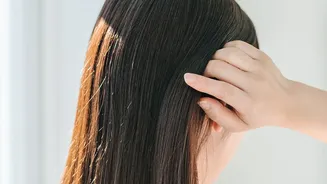




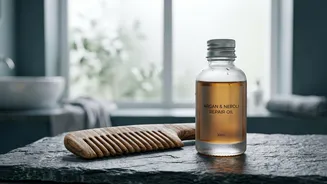

As winter arrives, so does the battle against dry, frizzy hair. The combination of cold outdoor air and dry indoor heat can strip your strands of moisture, leaving them brittle and unmanageable. But there's a simple, natural solution.
Why Winter Dries Out Your Hair
Winter weather creates
a perfect storm for hair dehydration. Cold air holds significantly less moisture than warm air. When you're outside, this dry environment pulls moisture directly from your hair strands. Then, you step inside into a space with central heating, which further dries out the air, compounding the problem. This constant shift between cold, dry outdoor air and warm, dry indoor air causes the hair's outer layer, the cuticle, to lift as it tries to absorb any available moisture. This process roughens the hair's surface, leading to that all-too-familiar frizz, static, and a dull, brittle feeling.
Aloe Vera: The Soothing Hydrator
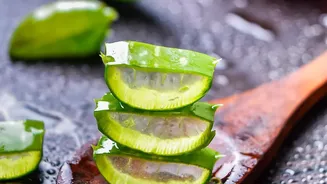
Often called the 'miracle plant', aloe vera is a powerhouse of hydration. Its gel is predominantly water but is also packed with vitamins, minerals, amino acids, and enzymes that benefit hair. Aloe vera acts as a natural conditioner, soothing the scalp and helping to maintain its pH balance. Its chemical composition is similar to keratin, the protein that makes up our hair, which allows it to penetrate the hair shaft easily. Rich in vitamins A, C, and E, it helps nourish and strengthen strands from the inside out, smoothing the cuticle to add shine and reduce frizz.
Glycerin: The Ultimate Moisture Magnet
Glycerin is a type of humectant, which means it has the powerful ability to attract moisture from the atmosphere and draw it into the hair shaft. This makes it one of the most effective ingredients for combating the dryness caused by winter air. By pulling in this extra hydration, glycerin helps to deeply moisturise the hair, improving its elasticity and preventing the breakage that leads to split ends. It essentially creates a protective layer that locks in moisture, keeping hair soft, manageable, and far less prone to frizz, even in drying conditions.
Your Simple DIY Hydration Mask Recipe
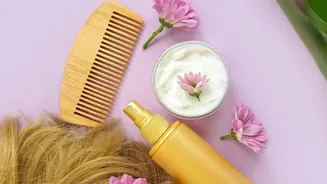
Creating your own hydrating mask is incredibly simple. All you need are two key ingredients, with an optional third for an extra boost. For a basic mask, combine equal parts pure aloe vera gel and vegetable glycerin in a small bowl. A good starting point is two to three tablespoons of each, depending on your hair length and thickness. Mix them together until you have a smooth, consistent gel. If you have it on hand, you can also add a teaspoon of a nourishing oil like coconut or argan oil for added conditioning benefits.
How to Apply for Maximum Impact
For the best results, apply your DIY mask to clean, damp hair. You can apply it after shampooing in place of your regular conditioner. Start by working the mask into your scalp, as both aloe and glycerin have soothing benefits for dry, itchy winter scalps. Then, smooth the mixture down the lengths of your hair, paying special attention to the ends, which are often the driest and most prone to damage. Gently comb the mask through with your fingers or a wide tooth comb to ensure even distribution. Let it sit for 15 to 30 minutes to allow the ingredients to penetrate deeply before rinsing thoroughly with lukewarm water.
Tips for Healthy Winter Hair
Use this hydrating mask once a week throughout the winter months to consistently replenish lost moisture. After rinsing, you can apply a leavein conditioner to help seal in the hydration provided by the mask. It is always a good idea to perform a patch test on a small area of skin before applying any new DIY treatment to check for sensitivity. To further protect your hair, try to avoid overly hot showers, which can strip natural oils, and consider wearing a silk or satinlined hat to reduce friction and static electricity.