

Master Your Moisture
The number one enemy of a crispy cutlet is excess moisture in your vegetable mixture. When vegetables, especially potatoes, are boiled, they absorb water. If the mix is too wet, it will steam itself from the inside out when frying, leading to a soft,
sometimes broken, exterior. To combat this, always ensure your boiled vegetables are well-drained and cooled completely. Some chefs even recommend steaming vegetables instead of boiling them to minimize water absorption. Once mashed, if the mixture still feels too sticky, don't hesitate to add a tablespoon or two of breadcrumbs, powdered flattened rice (poha), or roasted gram flour (besan) to soak up extra moisture before you even begin shaping the patties. This step alone can transform your cutlet game.
Choose the Right Binding Agent
A good binder is crucial for ensuring your cutlets hold their shape and don't fall apart in the hot oil. While boiled and mashed potatoes are the most common and effective binder, they can also contribute to the moisture problem if not handled correctly. For a firmer texture, you can use starchy alternatives like sweet potatoes, raw bananas, or yam, which should also be boiled and mashed. Beyond the primary vegetable base, adding cornstarch or all-purpose flour directly to your mix acts as a secondary binding agent, helping the patties stay cohesive. This ensures that the soft interior remains perfectly encased within its crispy shell during the frying process.
The Secret of the Double Coat
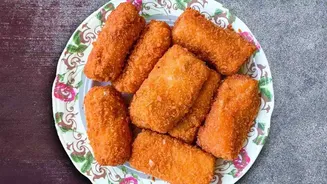
A single layer of breading is good, but a double coat is the professional secret to an ultra-crisp, sturdy crust. This method creates a formidable barrier that protects the soft interior and guarantees a satisfying crunch. The process involves a three-step (or rather, four-step) sequence. First, lightly dust the shaped patty in dry flour (like all-purpose or cornflour). This helps the next layer stick. Next, dip it into a thin slurry, which can be made from all-purpose flour (maida) and water, or cornflour and water. Finally, press the patty firmly into a plate of breadcrumbs. For that game-changing second coat, repeat the process: dip it back into the slurry and then once more into the breadcrumbs. This creates an armour-like coating that fries up beautifully.
Perfect Your Coating and Chill
The type of crumb you use for the final coating makes a huge difference. While regular breadcrumbs work well, panko breadcrumbs are famous for creating a lighter, airier, and crunchier texture because they absorb less oil. For an even crispier finish, you can also use crushed vermicelli or even crushed cornflakes. Once your cutlets are coated, an essential but often-skipped step is to let them rest. Placing the breaded cutlets in the refrigerator for at least 10-15 minutes, or even in the freezer for 10 minutes, helps the coating adhere firmly to the patty. This brief chill ensures the breading won't slide off in the hot oil, preventing breakage and ensuring a perfectly uniform crust.
Master the Art of Frying
How you fry is just as important as how you prepare. The key is maintaining the right oil temperature, ideally between 175-190°C (350-375°F). If the oil is too cool, the cutlets will absorb too much of it and become greasy. If it's too hot, the breading will burn before the inside is properly heated. It's also vital not to overcrowd the pan. Frying in batches ensures the oil temperature doesn't drop significantly, allowing each cutlet to cook evenly and develop a golden-brown, crispy crust. Gently slide the cutlets into the oil and fry for a few minutes on each side until perfectly browned. Once cooked, don't place them on a paper towel-lined plate, as this can trap steam and make the bottom soggy. Instead, place them on a wire rack to allow air to circulate, keeping them crisp all over.