





Understanding Your Icy Enemy
Freezer burn happens when frozen food is exposed to air, causing it to dehydrate. This process is called sublimation, where ice crystals on the food's surface turn directly into water vapour, bypassing the liquid stage. This moisture loss leaves behind
dry, tough, and discoloured patches. While it might look unappetizing, the good news is that freezer-burned food is generally safe to eat, as the cold temperature of 0°F (-18°C) prevents harmful bacteria from growing. However, the quality, taste, and texture are significantly compromised. Oxygen seeps in as moisture leaves, which dulls the colour and alters the flavour of the food.
Your First Line of Defence: The Wrap
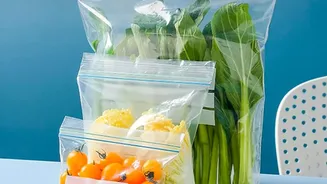
The single most important step to prevent freezer burn is to protect food from air exposure. Your goal is to create an airtight barrier. Start by removing meat from its original supermarket packaging, which is not designed for long-term freezing. For the best protection, use materials specifically designed for freezing, such as heavy-duty freezer bags, freezer paper, or airtight plastic or glass containers. When using bags, squeeze out as much air as possible before sealing. A popular technique is the double-wrap method: first, wrap the food tightly in plastic wrap or aluminium foil, then place it inside a freezer bag or airtight container. This provides an extra layer of security against air and moisture loss. For those who freeze food regularly, a vacuum sealer is an excellent investment, as it removes nearly all air, offering the ultimate protection.
Mastering the Cold Environment
A tight wrap is only half the battle; the freezer's environment is just as crucial. The ideal temperature for your freezer is 0°F (-18°C) or slightly below. This temperature is low enough to halt the growth of bacteria and slow down the enzyme activity that causes food to spoil. Temperature fluctuations are a major cause of freezer burn. Every time the freezer door is opened, warmer air rushes in, which can cause food on the surface to partially thaw and then refreeze, creating more ice crystals. To minimize this, try to be efficient when retrieving items and avoid leaving the door open for extended periods. It’s also wise to avoid storing items in the freezer door, which is often the warmest part of the appliance.
Smart Freezing Habits
A few simple habits can dramatically improve the quality of your frozen foods. First, always cool hot foods completely before freezing them. Placing hot items in the freezer can raise the internal temperature, putting other foods at risk. Let leftovers cool to room temperature and then chill them further in the refrigerator before moving them to the freezer. When freezing liquids like soups or dals, leave some headspace in the container, as liquids expand when they freeze. For quicker freezing, which creates smaller ice crystals and better texture, spread items in a single layer on a baking sheet before transferring them to bags or containers. Finally, always label and date your packages. This helps you use the oldest items first, ensuring nothing gets lost in the icy depths for too long.
Can You Salvage Freezer-Burned Food?
Discovering freezer burn doesn't always mean a trip to the bin. Since the issue is one of quality rather than safety, you can often salvage the food. For meats or vegetables, you can simply trim away the dry, discoloured spots before or after cooking. The remaining food will be perfectly fine to use. However, since the affected parts are dry and can have an off-flavour, it's best to use them in dishes where texture is less critical and other flavours are prominent. Soups, stews, curries, and casseroles are excellent options. The slow, moist cooking process helps to rehydrate the food, and the strong flavours of spices and other ingredients can mask any lingering freezer-burn taste.