




What Is the Moisture Barrier?
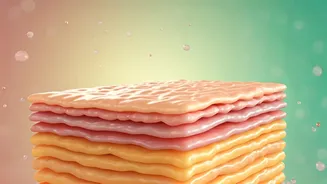
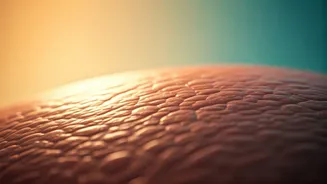
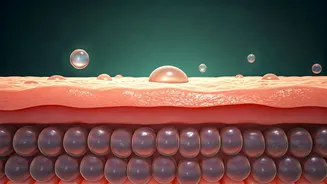
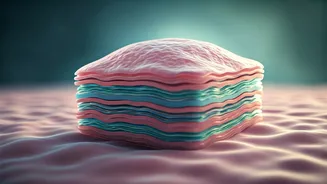
Think of your skin’s outermost layer, the stratum corneum, as a brick wall. The 'bricks' are your skin cells (corneocyte), and the 'mortar' holding them together is a lipid matrix made of ceramides, cholesterol, and fatty acids. This entire structure
is your moisture barrier. Its primary jobs are twofold: to keep good things, like water, in, and to keep bad things, like pollutants, allergens, and harmful bacteria, out. When this 'mortar' is strong and intact, your skin is hydrated, plump, and healthy. But when it gets damaged, it develops 'cracks', leading to a host of problems.
Signs Your Barrier Is Damaged
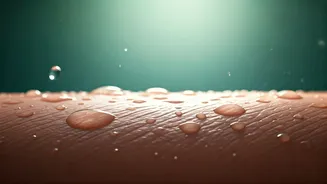
A compromised moisture barrier isn't subtle, but its symptoms are often misdiagnosed as other issues. The most common sign is transepidermal water loss (TEWL), where moisture evaporates from the skin, leading to persistent dryness, tightness, and a dull appearance. You might also experience increased sensitivity; products that never bothered you before suddenly cause stinging or burning. Redness, inflammation, flakiness, and even an increase in breakouts can also signal that your barrier is struggling. Essentially, if your skin feels constantly uncomfortable, reactive, and 'thirsty', your barrier likely needs some urgent care.
The Common Culprits Harming Your Skin
Ironically, many of us damage our moisture barrier in the pursuit of 'perfect' skin. Over-exfoliation is a major offender. While chemical exfoliants like AHAs and BHAs can be beneficial, using them too frequently or in high concentrations can strip away the essential lipids holding your skin together. Similarly, harsh, stripping cleansers that leave your skin feeling 'squeaky clean' are often just removing your natural oils. Other factors include washing your face with very hot water, skipping moisturiser, excessive sun exposure without protection, and even environmental factors like low humidity and pollution.
How to Repair and Protect It
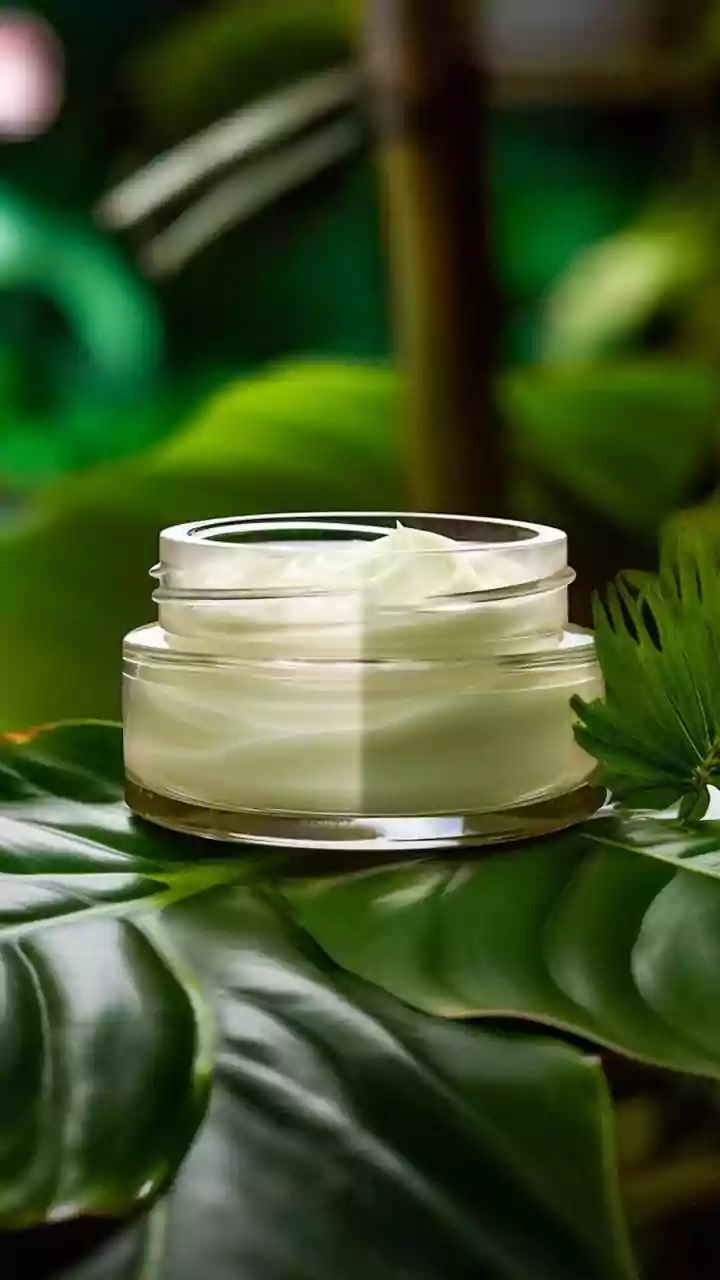
The good news is that the moisture barrier can be repaired. The key is to go back to basics and adopt a 'less is more' approach. First, stop using all active ingredients for a week or two—that means pausing your retinoids, vitamin C, and exfoliants. Focus on a simple routine: a gentle, pH-balanced cleanser that doesn't foam excessively, followed by a dedicated barrier-repair cream. Look for moisturisers containing ingredients that mimic your skin's natural 'mortar': ceramides, cholesterol, and fatty acids. Niacinamide is another hero ingredient that helps your skin produce more of its own ceramides. Hyaluronic acid can also help by drawing moisture into the skin, but it must be sealed in with a thicker cream.
Your Simple Barrier-Friendly Routine
Building a routine to support your barrier is straightforward. In the morning, you can simply rinse with lukewarm water or use your gentle cleanser. Follow up with a hydrating, ceramide-rich moisturiser, and finish with a broad-spectrum sunscreen of at least SPF 30. Sunscreen is non-negotiable, as UV damage is a primary cause of barrier degradation. In the evening, use your gentle cleanser to wash away the day's grime and makeup. While your skin is still slightly damp, apply your nourishing moisturiser to lock in hydration. Once your barrier feels strong and healthy again (i.e., no more redness, stinging, or tightness), you can slowly reintroduce active ingredients one at a time, perhaps just two or three times a week.