






Beyond the 'Accessible' Label
Many hotels label rooms as 'accessible', but this term can mean different things. For one hotel, it might mean a single grab bar next to the bathtub; for another, it's a fully equipped roll-in shower. This is why it's crucial to move beyond generic labels
and ask specific questions. Accessibility isn't just for wheelchair users; it benefits parents navigating with strollers, elderly family members with limited mobility, or even those temporarily on crutches. True accessibility ensures comfort and independence for every member of the family, making the entire holiday experience more inclusive and enjoyable. By thinking about the journey from the car park to the hotel room, you can identify potential barriers before they become problems.
The Lift: More Than Just Going Up
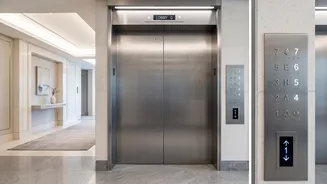
Asking 'Do you have a lift?' is just the starting point. For a family, the details are what matter. First, confirm that the lift provides access to all floors, including common areas like the breakfast room, swimming pool, or rooftop restaurant. Next, inquire about its size. Will it comfortably fit a wheelchair, a pram, and a few family members? Some older or boutique hotels may have charming but very small lifts. Also, check for step-free access to the lift itself from the lobby. A lift is only useful if you can get to it without navigating a flight of stairs. Finally, it's wise to ask what the hotel's contingency plan is if the lift is out of service. For a family staying on an upper floor, a broken lift can severely disrupt plans.
Navigating the Hotel's Common Areas
Once you're past the lobby, the journey continues. Consider the route to your room and other facilities. Corridors should be wide and clear of clutter, like housekeeping carts or extra furniture, to allow easy passage. Look for step-free access into the hotel's restaurant. A ramp is essential if the dining area is on a different level. Public restrooms in the lobby or near the pool should also have at least one accessible stall. Clear and well-lit signage is another small detail that makes a big difference, helping everyone navigate the property without confusion. Before booking, don't hesitate to ask the hotel staff about the path from the entrance to the main facilities your family plans to use.
A Closer Look at the Room and Bathroom
The hotel room itself is your family's home base. Doorways into the room and the bathroom should be wide enough for a wheelchair or stroller. Inside, there needs to be enough clear floor space to move around, especially beside the bed. Bed height is another common issue; beds that are too high can be difficult for transfers. The bathroom is often where accessibility plans succeed or fail. Key features to ask about include whether there is a roll-in shower or a bathtub, the presence and placement of grab bars, and if the sink is at a height that can be used from a seated position. Asking for photos of the specific accessible room you are booking, not just stock images, can prevent unwelcome surprises upon arrival.
Your Pre-Booking Communication Checklist
To ensure your needs are met, clear communication is essential. Always try to call the hotel directly rather than a central booking line. Speak to someone familiar with the property's layout, like a front desk manager. After the call, send an email summarising your requirements and the hotel's confirmations. This written record is invaluable. Key questions to ask include:
- Can you confirm a step-free route from the entrance to our room and the restaurant?
- What are the dimensions of the lift?
- Can you describe the bathroom in our specific room? Does it have a rollin shower?
- How high is the bed from the floor?
Confirming these details in writing ensures that your request is noted as a guarantee, not just a preference. A quick reconfirmation a few days before your arrival is also a good practice.