




The All-Important Sunlight
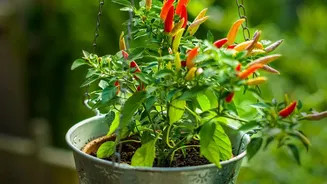
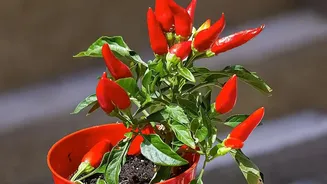
The core of the headline holds true: Thai chilli plants are sun-lovers. To produce an abundance of flowers and, subsequently, fruit, they require at least 6-8 hours of direct sunlight every day. In the Indian context, this means a south-facing or west-facing
balcony or window is ideal. Morning sunlight is generally preferred as the intense afternoon sun in peak summer can sometimes be too harsh, leading to a condition known as sunscald, where leaves or fruit develop white, papery patches. If you notice your plant's leaves looking droopy during the hottest part of the day despite the soil being moist, it might be a sign of heat stress. You can provide some temporary shade during the peak afternoon hours if this becomes a recurring issue.
Reading the Light Signals
Your plant will tell you if its light conditions are not right. If it's not getting enough light, it may become 'leggy'—tall and thin with sparse leaves—as it stretches towards the nearest light source. You might also notice yellowing lower leaves and a general lack of growth or refusal to flower. Conversely, too much intense, direct sun can cause leaves to wilt, curl, or develop scorched spots. The goal is to find a bright, sunny spot that provides consistent, strong light without relentlessly baking the plant all day long, especially in hotter climates.
Choosing The Right Pot
The right container is crucial for managing moisture and giving roots space to grow. A pot between 8 to 16 inches in diameter is a good size for a single Thai chilli plant. Smaller pots will require more frequent watering and can restrict the plant's growth, leading to a smaller harvest. The most important feature of any pot is drainage. Ensure there are plenty of drainage holes at the bottom. Chilli plants despise 'wet feet', and waterlogged soil can quickly lead to root rot, a condition from which it's difficult to recover. Terracotta pots are a great option as the porous material helps the soil to breathe and dry out more evenly.
Creating the Perfect Soil Mix
Chilli plants need a soil that is well-draining but also capable of holding some moisture and nutrients. Most commercial potting mixes designed for vegetables will work well. To create your own, a simple and effective recipe involves mixing regular potting soil or compost with materials that improve aeration and drainage, such as perlite or coarse sand. A good starting blend could be 70% peat-free compost, 10% perlite (for drainage), and 10% vermiculite (for moisture retention). Avoid using heavy garden soil, which compacts easily in pots, choking the roots and preventing proper drainage.
Watering Wisely
Overwatering is one of the most common mistakes when growing chillies. The rule of thumb is to water deeply but infrequently. Allow the top inch or two of the soil to dry out completely before watering again. In hot summer weather, you may need to water daily, but always check the soil with your finger first. When you do water, do it thoroughly until water runs out of the drainage holes. This encourages the roots to grow deep into the pot. Both overwatering (leading to yellow, droopy leaves) and underwatering (leading to green, droopy leaves) can cause stress, so consistency is key.
Feeding Your Chilli Plant
While good soil provides a start, potted plants have limited access to nutrients and will need feeding for a productive season. Begin feeding about 3-4 weeks after potting your plant into its final container. In the early stages, use a balanced fertiliser to promote leafy growth. Once the plant begins to flower, switch to a fertiliser that is higher in potassium, often sold as a tomato feed. This encourages the plant to focus its energy on producing fruit rather than more leaves. Always follow the instructions on the package and avoid over-fertilising, which can burn the roots. A good practice is to alternate between feeding and watering with plain water.