






The Authenticity Crisis
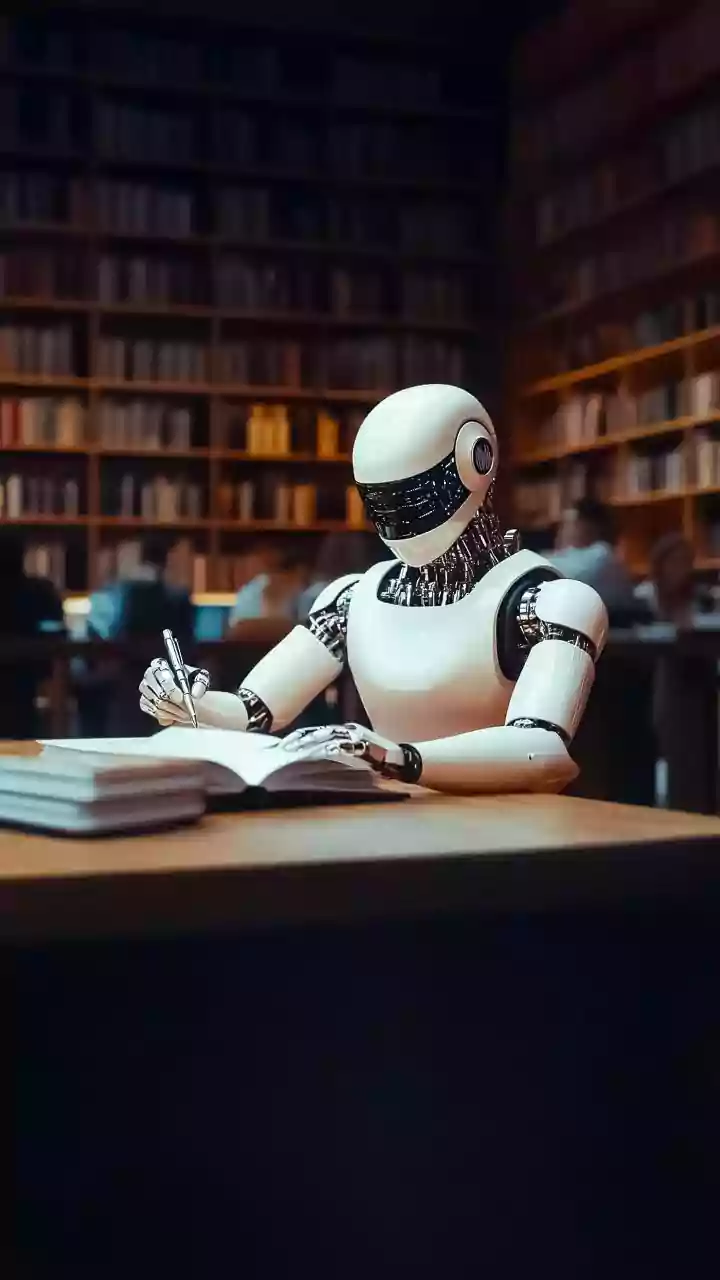
For a generation that prizes authenticity, the impulse to outsource personal expression to artificial intelligence is a strange paradox. Yet, it’s happening. Young adults are turning to AI for help with their personal lives, seeking advice on relationships
and even using chatbots as friends or romantic partners. While some see it as a tool for support, this reliance risks creating a monoculture of personality. When everyone uses the same algorithms to generate their wittiest captions, most thoughtful emails, or most charming dating app openers, individuality gets lost. The quirks, mistakes, and unique turns of phrase that make up a personal voice are smoothed over by predictive text that’s optimised for agreeableness, not authenticity. This trend towards homogenisation means we risk a future where our digital selves, the primary way we present ourselves to the world, are no longer a reflection of our true character but a derivative of a machine’s programming.
The Erosion of Essential Skills
Developing a personality isn't a passive process; it’s built through active engagement with the world. Learning how to tell a joke, how to comfort a friend, or how to articulate a complex thought are skills honed through practice. Psychologists call the reliance on technology for these tasks “cognitive offloading.” While helpful for minor tasks, over-relying on it for core human interactions can stunt emotional and intellectual growth. A 2026 study found that while AI helped students get better homework scores faster, their exam performance plummeted when the tool wasn't available, suggesting a decline in actual learning. This is because the brain builds capability through struggle. When we outsource the work of finding the right words or crafting a creative idea, we rob ourselves of the opportunity to strengthen our own minds, wit, and emotional intelligence. The convenience of AI becomes a crutch that prevents us from developing the resilience and skills needed to navigate the complexities of human relationships.
The Illusion of Connection
Perhaps the most troubling aspect of outsourcing personality is its effect on our relationships. Many young people report turning to AI for companionship and emotional support, with some preferring to talk to a chatbot over a person for serious conversations. One survey found that 25% of Gen Z describe AI bots as a therapist, coach, or friend. These AI companions offer a friction-free version of friendship: they are available 24/7, never criticise, and are perfectly calibrated to your needs. But this illusion of connection comes at a price. It can weaken our ability to build meaningful human relationships, which require patience, empathy, and navigating misunderstandings. When we get used to the effortless validation of an AI, the normal, messy, and often difficult work of real friendship can seem less appealing. This can deepen feelings of isolation and prevent the development of genuine social skills, creating a feedback loop where technology intended to connect us ultimately drives us further apart.
A Tool, Not a Replacement
The argument is not to abandon AI altogether. These tools offer incredible opportunities for efficiency and can be a powerful assistant in creative and professional work. The key is to establish boundaries and use AI as a collaborator, not a replacement for our own minds. It can be used to brainstorm ideas or handle repetitive tasks, but the core vision and emotional heart of our expression should remain distinctly human. Transparency is also crucial. Disclosing the use of AI in creating content doesn't diminish it; it builds trust in an era where consumers are increasingly wary of inauthentic, machine-generated media. Ultimately, human insight, lived experience, and imagination are becoming more valuable, not less, in a world flooded with artificial content. The goal should be to use AI to amplify our creativity, not automate it.