




From Humble Staple to Superfood Star
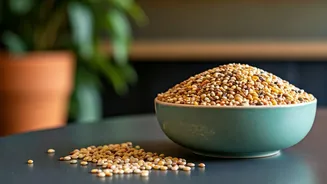
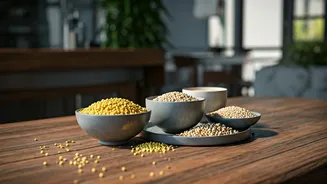
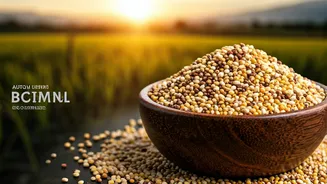
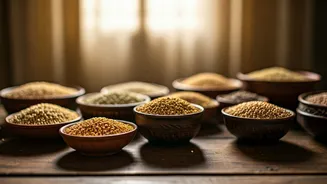
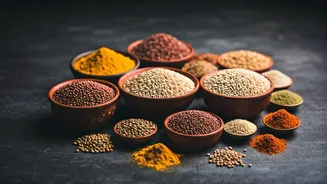
For centuries, grains like ragi (finger millet), jowar (sorghum), and bajra (pearl millet) were dietary staples across India. [13] However, with the Green Revolution's focus on high-yield wheat and rice, these hardy, nutritious grains were gradually sidelined,
often dismissed as "poor man's food." [3, 13] Today, the tables have turned dramatically. A growing wave of health consciousness, coupled with a renewed interest in sustainable and local food systems, has catapulted these ancient grains back into the spotlight. [2] No longer confined to traditional kitchens, millets are now celebrated as homegrown superfoods, packed with fibre, protein, and essential minerals. [7, 10]
What's on the Modern Cafe Menu?
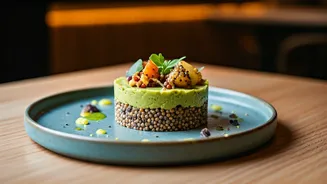
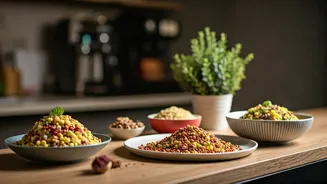
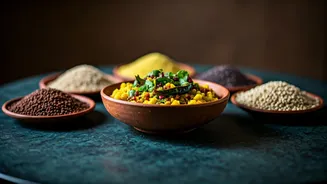
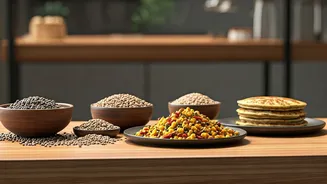
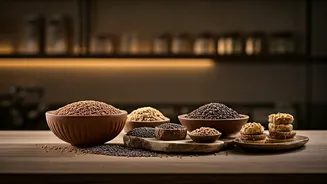
The creative potential of these grains is being unlocked in urban cafes, which are skillfully integrating them into modern, palatable formats. [24] Forget simple porridge; think ragi pancakes drizzled with honey, jowar and bajra flour-based pizza crusts, and savoury millet bowls packed with fresh vegetables. [4, 18] Cafes like Greenr in Delhi offer dishes like barnyard millet bowls and Himalayan amaranth salads, while Café Lota features innovative takes like bajra chilla and quinoa upma. [4] Even drinks and desserts are getting a millet makeover, with ragi brownies, amaranth muesli affogatos, and even millet-based craft beers appearing on menus. [4, 17] This fusion of old and new makes ancient grains accessible and exciting for a new generation of diners. [5]
A Recipe for Health and Heritage
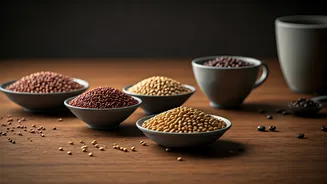
The appeal of millets goes far beyond novelty. Each grain offers a unique nutritional profile. Ragi is a powerhouse of calcium, crucial for bone health. [6, 7] Jowar, rich in fibre and antioxidants, is excellent for heart health and digestion, while iron-rich bajra is an energy booster that helps combat anaemia. [6, 11] Their low glycemic index helps maintain stable blood sugar levels, making them a smart choice for managing lifestyle diseases like diabetes. [2, 16] By embracing these grains, consumers are not just making a healthy choice; they are participating in a cultural revival. [8] Eating millets has become a way to reconnect with India's rich culinary heritage and celebrate indigenous ingredients that have nourished generations. [2, 13]
Beyond the Plate: Sustainability and Support
This culinary trend also has significant environmental and economic benefits. Millets are famously resilient, or 'climate-smart', crops. [21] They require significantly less water than rice and wheat, can thrive in arid conditions with minimal fertilisers or pesticides, and help preserve agricultural biodiversity. [13, 17] The growing demand from urban cafes and consumers directly supports smallholder farmers in dryland regions, providing them with a more reliable income and promoting a sustainable agricultural ecosystem. [16] This farm-to-table connection is a powerful narrative that resonates with today's conscious consumer, who wants to know the story behind their food. [24]
The Architects of the Trend
Celebrity chefs and passionate restaurateurs have played a crucial role in championing this movement. [5, 18] By creating innovative and delicious dishes, they have successfully shifted the perception of millets from coarse and old-fashioned to gourmet and desirable. [14, 25] Initiatives like the UN's declaration of 2023 as the International Year of Millets also provided a major boost, bringing global attention to these grains. [17, 8] As chefs continue to experiment and diners become more adventurous, what was once a forgotten staple is now being recognized as the food of the future—a future that is healthier, more sustainable, and deeply rooted in Indian tradition. [14, 18]