



First, Assess and Clean Up
Your first step is a gentle inspection. The monsoon can be harsh, leaving behind broken stems, yellowing leaves, and compacted soil. Begin by clearing away any fallen leaves and debris from your pots and garden beds. This isn't just about tidiness; damp,
decaying organic matter is a breeding ground for fungi and pests that thrive in post-monsoon humidity. Look for any signs of distress like mushy stems or widespread yellowing, which often point to deeper issues like root rot. Also, take this opportunity to pull out any weeds that have taken advantage of the moist soil.
Pruning for Healthy Recovery
After a clean-up, it’s time for a haircut. Post-monsoon pruning is about recovery and encouraging healthy new growth. Use a pair of clean, sharp shears to trim away any dead, damaged, or diseased branches. Pay special attention to any blackened or mushy parts of the plant. Thinning out dense foliage is also crucial as it improves air circulation, which helps prevent the fungal diseases that are common after prolonged rain, such as powdery mildew and leaf spot. However, avoid aggressive or heavy pruning; the goal is to remove unhealthy growth and improve airflow, not to shock the plant.
The Critical Importance of Drainage
Weeks of heavy rain can leave soil waterlogged, suffocating plant roots and leading to root rot—one of the biggest killers of potted plants. If you notice a plant is wilting despite the soil being wet, poor drainage is the likely culprit. To fix this, first ensure your pots have clear drainage holes. Gently loosening the top couple of inches of soil with a small fork or trowel can help aerate it. For pots that are severely waterlogged, you may need to repot the plant into a fresh, well-draining potting mix. Amending your soil with materials like coarse sand, cocopeat, or perlite can significantly improve its structure and prevent future waterlogging.
Replenishing Lost Nutrients
Heavy rainfall doesn't just saturate the soil; it also leaches out essential nutrients. Once the soil has had a chance to dry out slightly, it’s time to feed your hungry plants. The post-monsoon period marks a new growth phase for many species, and they'll need energy to thrive. Start with a balanced, all-purpose fertilizer. Well-rotted compost or vermicompost are excellent organic options that also improve soil structure. Be careful not to fertilize while the soil is still completely waterlogged, as this can damage the already stressed roots. A light feeding will replenish what the rains have washed away and support a burst of new leaves and flowers.
Planning for the New Season
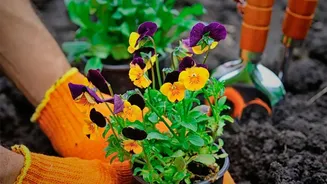
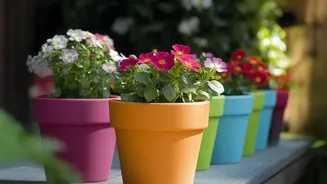
With your existing plants on the road to recovery, now is the perfect time to plan for the pleasant months ahead. The post-monsoon and winter seasons are ideal for growing a variety of flowers and vegetables in India. For beautiful blooms, consider planting seeds or saplings of marigold, zinnia, balsam, and hibiscus, which do wonderfully in this season. If you have a vegetable patch, it’s a great time to sow seeds for spinach, okra, tomatoes, chillies, and various gourds. These crops thrive in the moderate temperatures and sunny days that follow the monsoon, promising a rewarding harvest.