




Munnar, Kerala: The Misty Tea Haven
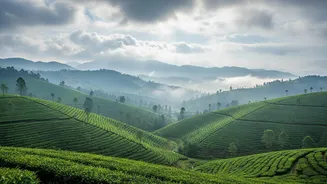
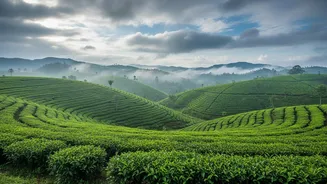
Imagine waking up to the sight of rolling hills blanketed in a thick layer of mist, with the fresh scent of rain-soaked tea leaves in the air. That is Munnar during the monsoon. From June to September, Kerala's famed hill station becomes a serene, emerald
paradise. The rain breathes life into the sprawling tea plantations, making them appear even more vibrant. Waterfalls like Attukad and Lakkam, which are modest streams in other seasons, become powerful, roaring cascades. This season also sees fewer tourists, which means you can enjoy popular spots like the Tata Tea Museum and Mattupetty Dam with a sense of peace and quiet that is absent during peak months. According to Ayurveda, the cool, moist, and dust-free atmosphere of the monsoon is also the ideal time for rejuvenation therapies.
Coorg, Karnataka: The Scotland of India Drenched in Green
Often called the 'Scotland of India', Coorg (or Kodagu) in Karnataka becomes a verdant utopia during the rainy season. The region's identity is tied to its coffee plantations, which shimmer with glossy, rain-washed leaves. Walking through these estates during a light drizzle is an experience for the senses. The monsoon is also when Coorg’s waterfalls are at their most spectacular. Abbey Falls and Iruppu Falls, surrounded by dense foliage, are transformed into thunderous spectacles. For the more adventurous, the Barapole River offers thrilling river rafting opportunities as the rapids swell with rainwater. The mist that frequently shrouds the hills adds a layer of mystery and romance, making scenic viewpoints like Raja's Seat truly magical.
Cherrapunji, Meghalaya: The Land of Living Root Bridges
For some places, the monsoon is a season. For Cherrapunji, it is a way of life. Once known as the wettest place on Earth, this town in Meghalaya is a destination built entirely around rain. Visiting during this time isn't about avoiding the showers; it's about embracing them. The constant rain feeds the region's most stunning attractions: its waterfalls. India’s tallest plunge waterfall, Nohkalikai Falls, is at its most majestic, and the Seven Sisters Falls become a breathtaking sight. The landscape turns an impossible shade of green, and clouds often float right through the villages. This is also the best time to see the famed living root bridges, which look even more ethereal when surrounded by rain-soaked flora.
Lonavala, Maharashtra: The Western Ghats' Green Carpet
A quick getaway for residents of Mumbai and Pune, Lonavala transforms from a dry, hilly area into a vibrant green carpet during the monsoon. The Sahyadri mountain range comes alive with seasonal waterfalls cascading down cliffs. Popular spots like Bhushi Dam overflow, with water cascading down the stone steps, creating a lively atmosphere. Viewpoints such as Tiger Point and Lion's Point offer stunning panoramic views of mist-filled valleys and low-hanging clouds. For history buffs and trekkers, forts like Lohagad and Rajmachi become exceptionally scenic, with their paths surrounded by lush greenery and clouds. The cool, pleasant weather is perfect for long drives and enjoying hot snacks from local stalls while taking in the dramatic landscapes.
Goa: A Quieter, Greener Side of the Sunshine State
Goa in the monsoon is a world away from its popular image of sunny beaches and crowded parties. The rainy season reveals a more tranquil and lush version of the state. The focus shifts from the sea to the hinterlands. Waterfalls like Dudhsagar become powerful torrents, and the state's spice plantations are verdant and fragrant. It’s the perfect time for exploring the charming, colourful lanes of Fontainhas, Panjim's Latin Quarter, which look even more beautiful when wet. The wildlife sanctuaries, such as Bhagwan Mahavir and Mollem National Park, are teeming with life. With fewer crowds and lower prices, the monsoon offers a chance to experience Goa’s serene beauty, from its rain-washed forts to its swollen rivers, at a much slower pace.