



The Foundation: Pots and Soil
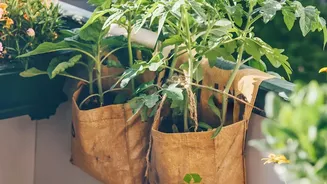
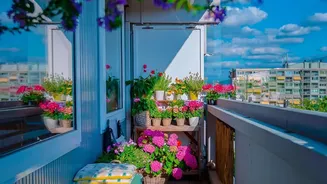
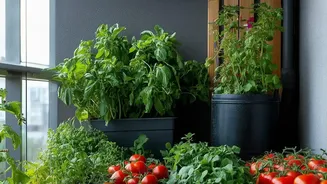
Your journey begins with the right home for your herbs. For balcony gardens, pot selection is crucial. Ensure every pot has drainage holes at the bottom to prevent water from pooling, which can cause root rot. Terracotta pots are a good choice as they
are porous and allow soil to breathe, but they also dry out faster. Plastic pots are lightweight and retain moisture longer. For mint, which spreads horizontally, a wider, shallower pot is ideal. The secret to happy potted herbs lies in the soil. Never use dense garden soil, as it compacts easily and suffocates roots. Instead, opt for a light, well-draining potting mix. A perfect DIY blend consists of equal parts potting soil, coco peat (for moisture retention), and organic compost or vermicompost (for nutrients). This mixture ensures your plants get the air, water, and food they need to flourish.
Harnessing Balcony Sunlight
Sunlight is the engine of plant growth, but the intense Indian sun can be harsh on potted plants. Most herbs, including basil, mint, and curry leaves, thrive with a good balance of light and shade. Aim for a spot on your balcony that receives four to six hours of morning sunlight. Afternoon sun is often too strong and can scorch the leaves. If your balcony is very sunny, try placing the pots where they might get some filtered light, perhaps near a wall or behind a larger plant. Observing how the light moves across your balcony throughout the day will help you find the perfect spot for each herb to thrive without stress. Basil and curry leaf plants are sun-lovers, while mint prefers a bit more shade.
Growing Glorious Basil (Tulsi)
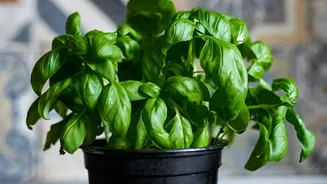
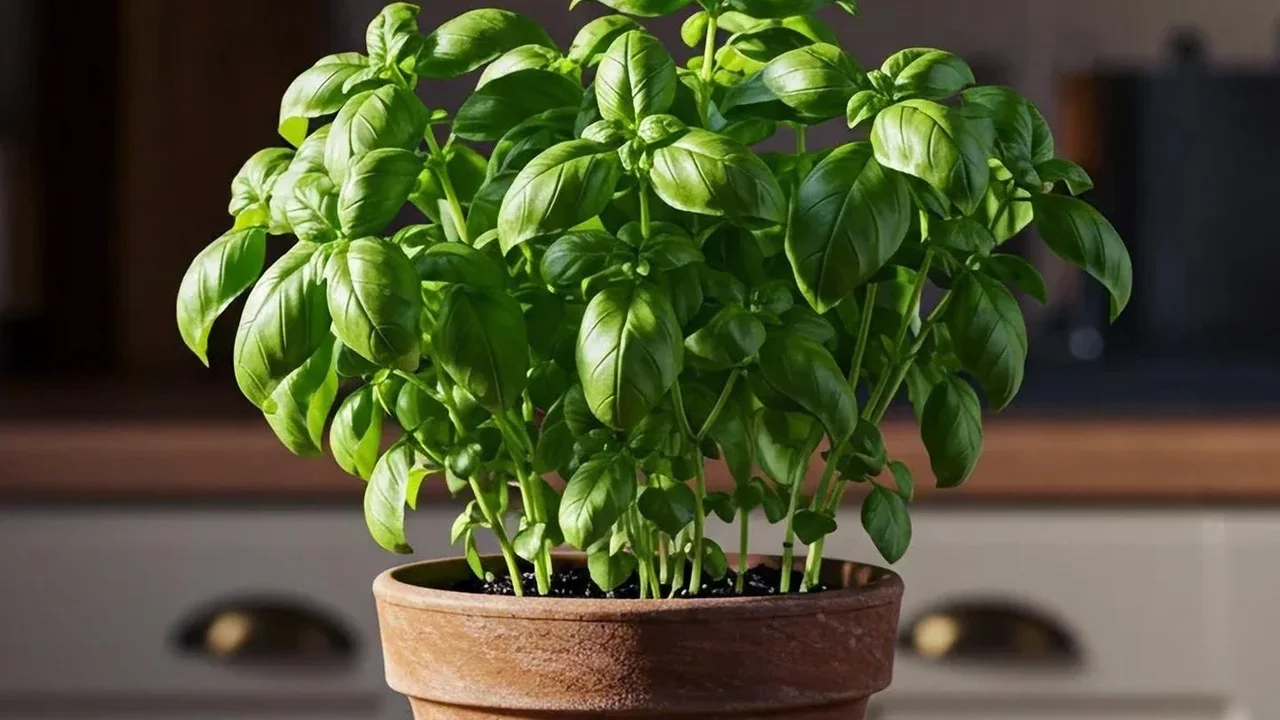
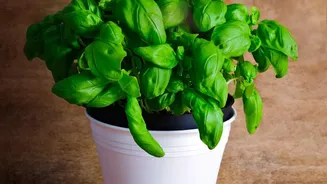
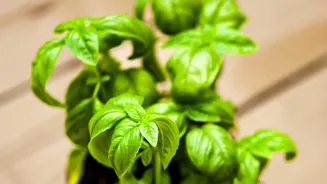
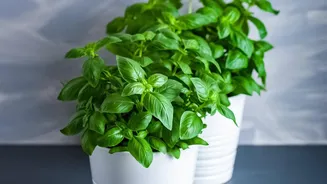
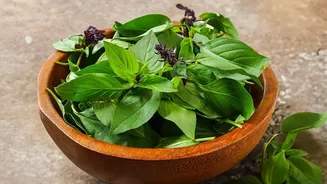
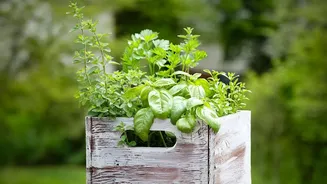
Basil, a staple in Italian and many Asian cuisines, is an easy-to-grow annual. Native to India, it loves warmth and sunlight. You can grow it from seeds or a starter plant. If planting seeds, sprinkle them in your prepared pot and cover lightly with soil. Keep the soil moist until seedlings appear. For best results, use a pot that is at least 8 inches deep to give the roots room to grow. Basil needs consistent moisture, so water it whenever the top inch of soil feels dry, but avoid making the soil soggy. To encourage a bushier plant, pinch off the top sets of leaves regularly. This prevents the plant from growing tall and 'leggy' and stimulates more side-shoots, giving you a fuller plant and more leaves to harvest.
Mastering Mint (Pudina)
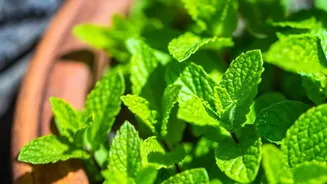
Mint, or pudina, is famously vigorous and one of the most rewarding herbs for beginners. In fact, its tendency to spread is why it's best grown in a container, where it can be kept in check. The easiest way to start is not with seeds, but with cuttings from a fresh bunch of mint. Simply place a few healthy stems in a glass of water; roots should appear in about a week. Once they do, you can plant them in a wide, shallow pot. Mint prefers soil that is consistently moist but not waterlogged. It thrives in a spot with morning sun and some afternoon shade. Harvest your mint frequently by snipping stems. This encourages the plant to become bushier and more productive, ensuring you have a steady supply for your chutneys, raitas, and refreshing drinks.
Nurturing Curry Leaves (Kadi Patta)
A curry leaf plant, or Kadi Patta, is a small tree that is essential in South Indian cooking. While it can grow quite large in the ground, it does surprisingly well in a pot, where its size can be managed through pruning. This plant loves full sun, so give it the sunniest spot on your balcony—at least six hours of direct light is ideal. Use a deep pot with a well-draining soil mix rich in organic matter. Water your curry leaf plant moderately, allowing the top inch or two of soil to dry out between waterings. Overwatering is a common mistake that can lead to root rot. To encourage a bushier plant, prune the tips of the branches once it reaches a respectable height. This will promote more side growth and a more generous supply of its uniquely aromatic leaves.